“Italy prohibits the export of weapons to countries involved in armed conflicts or responsible for serious human rights violations, in accordance with the Constitution and international obligations.” (Law no. 185, July 9, 1990)
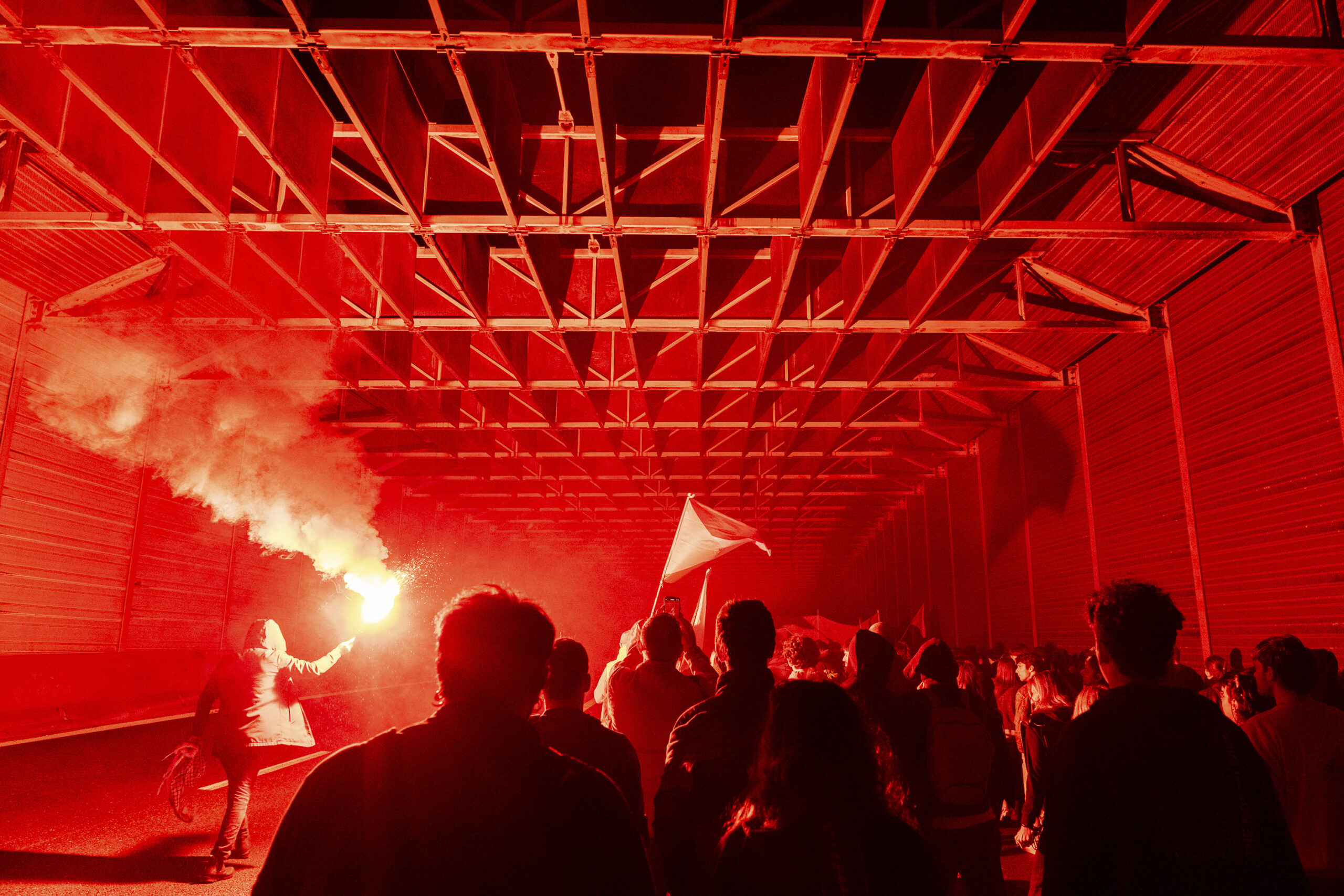
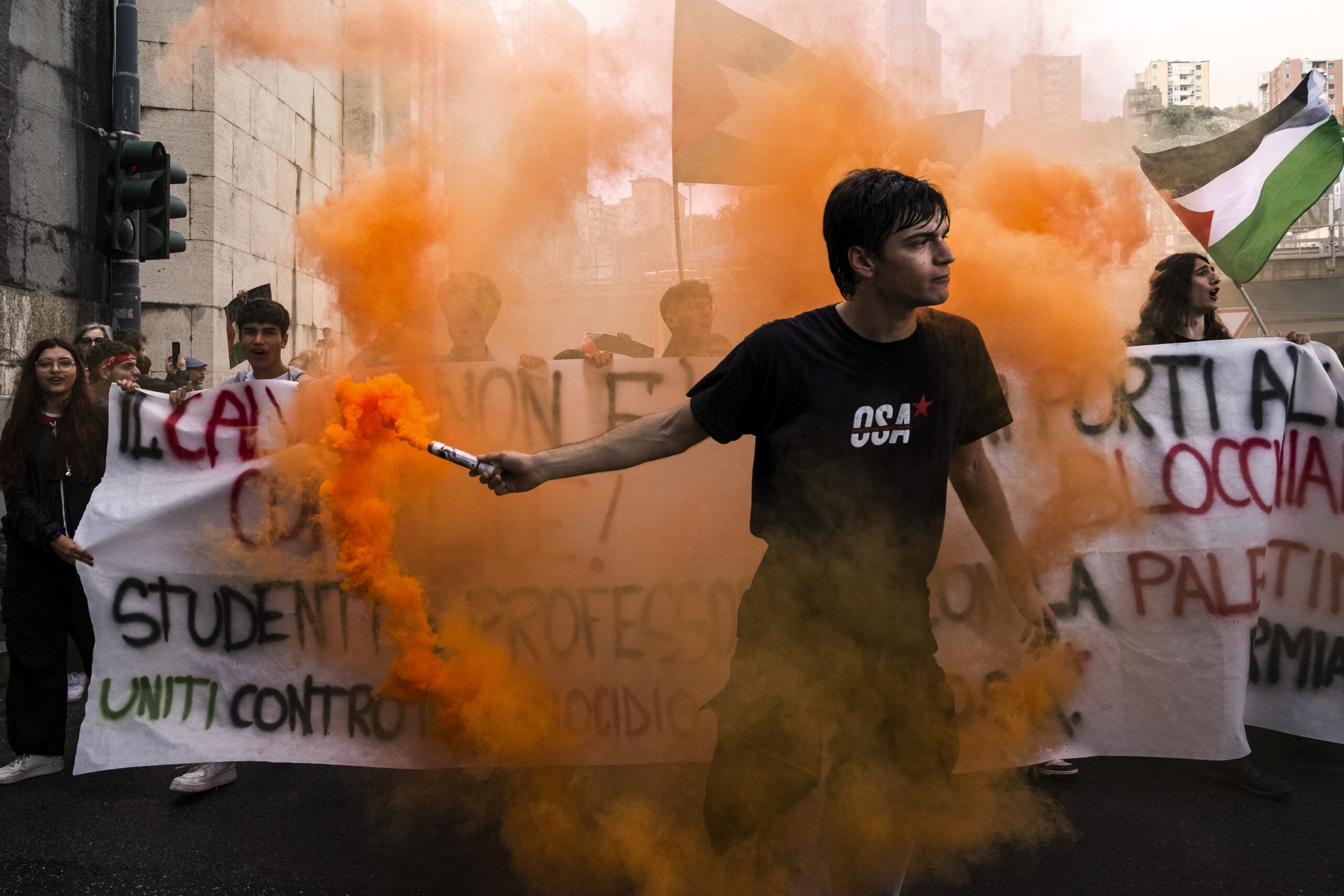
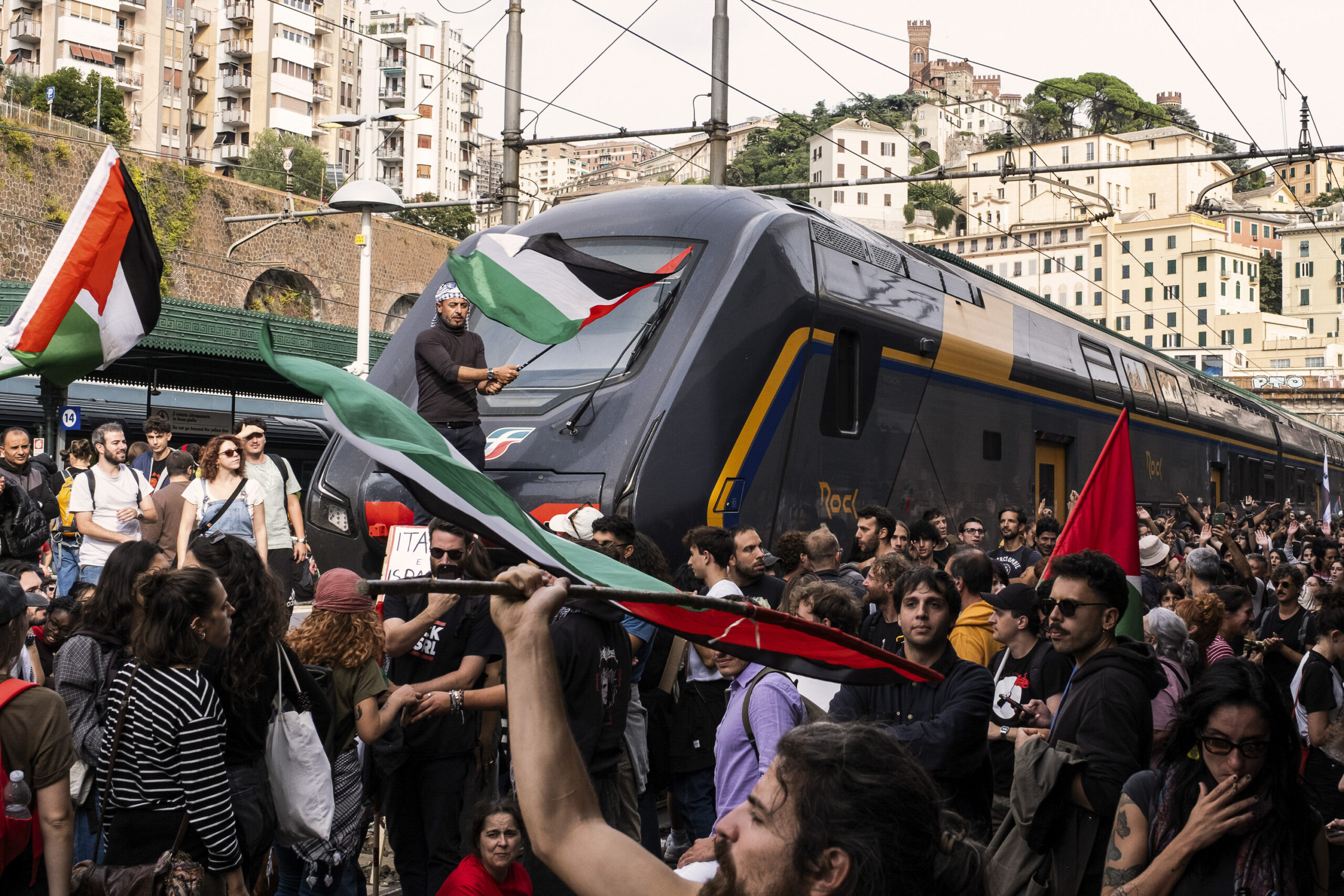
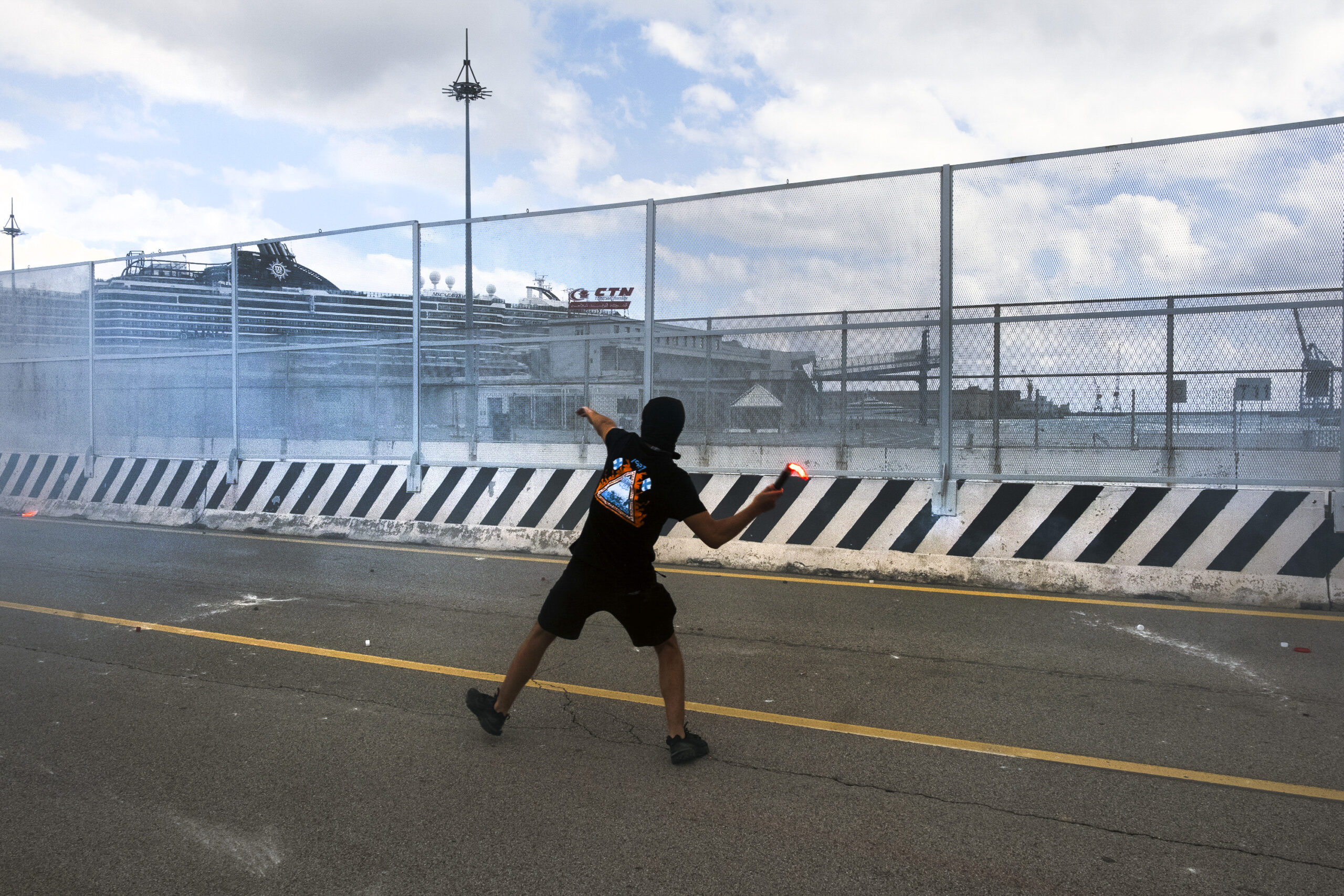
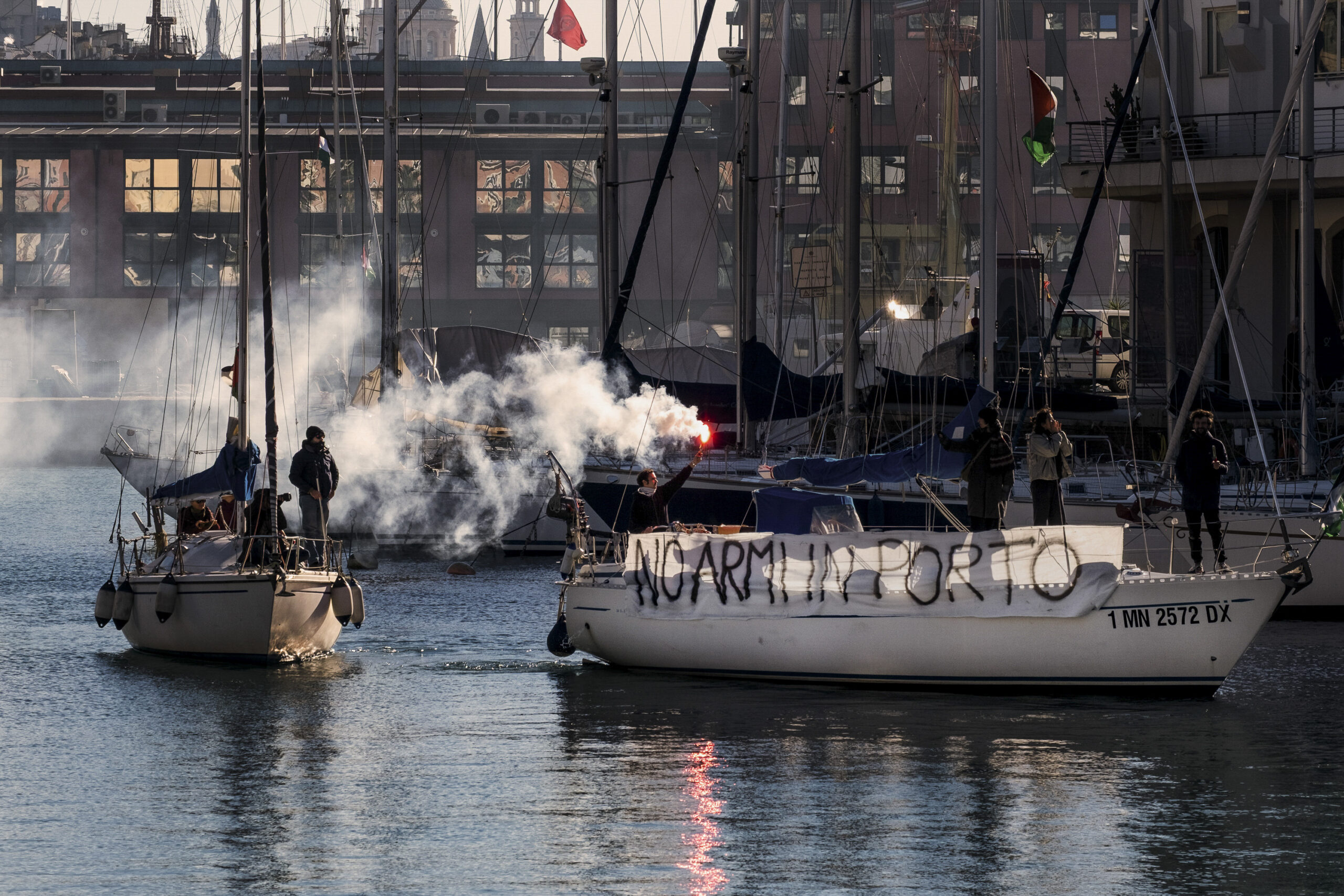
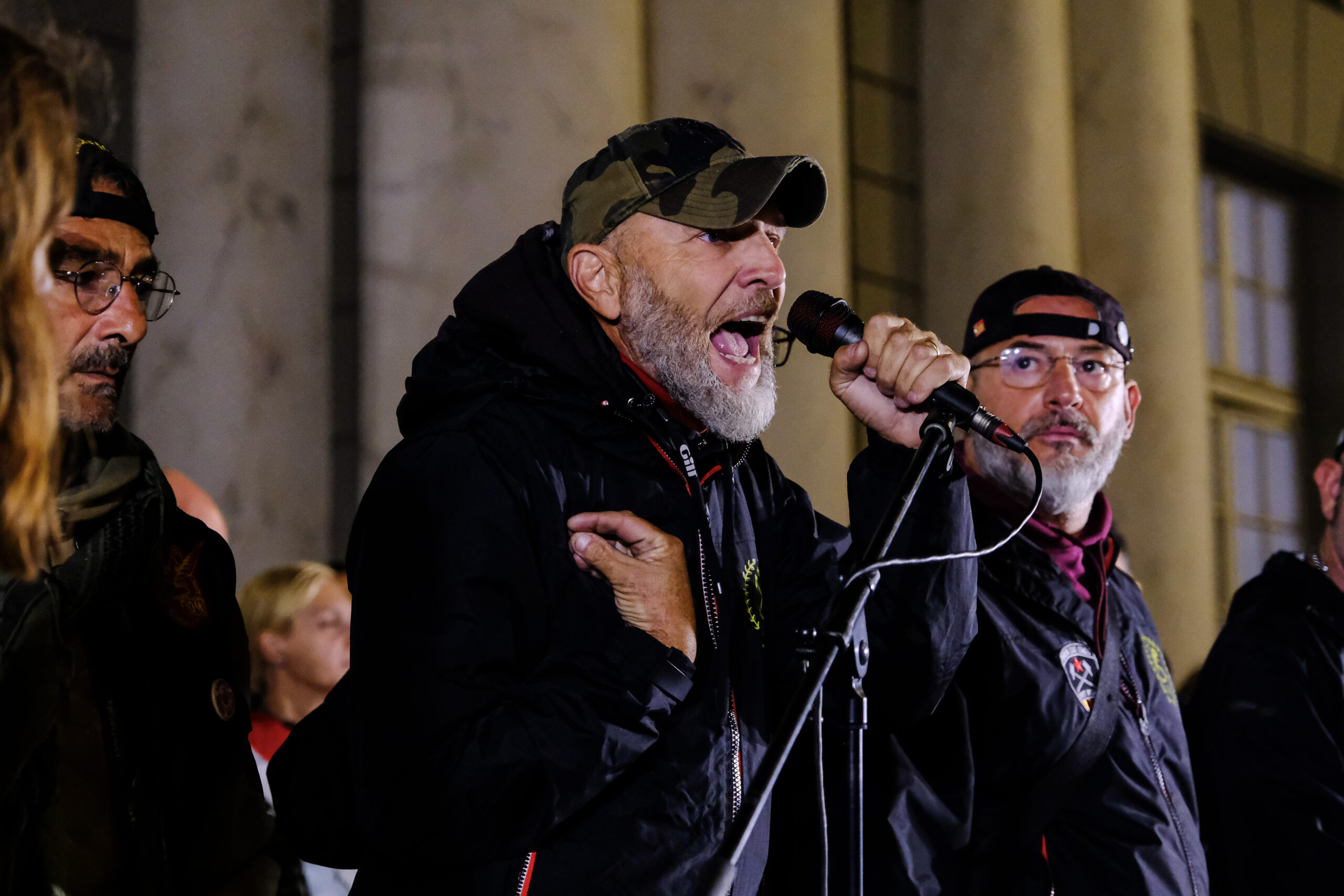
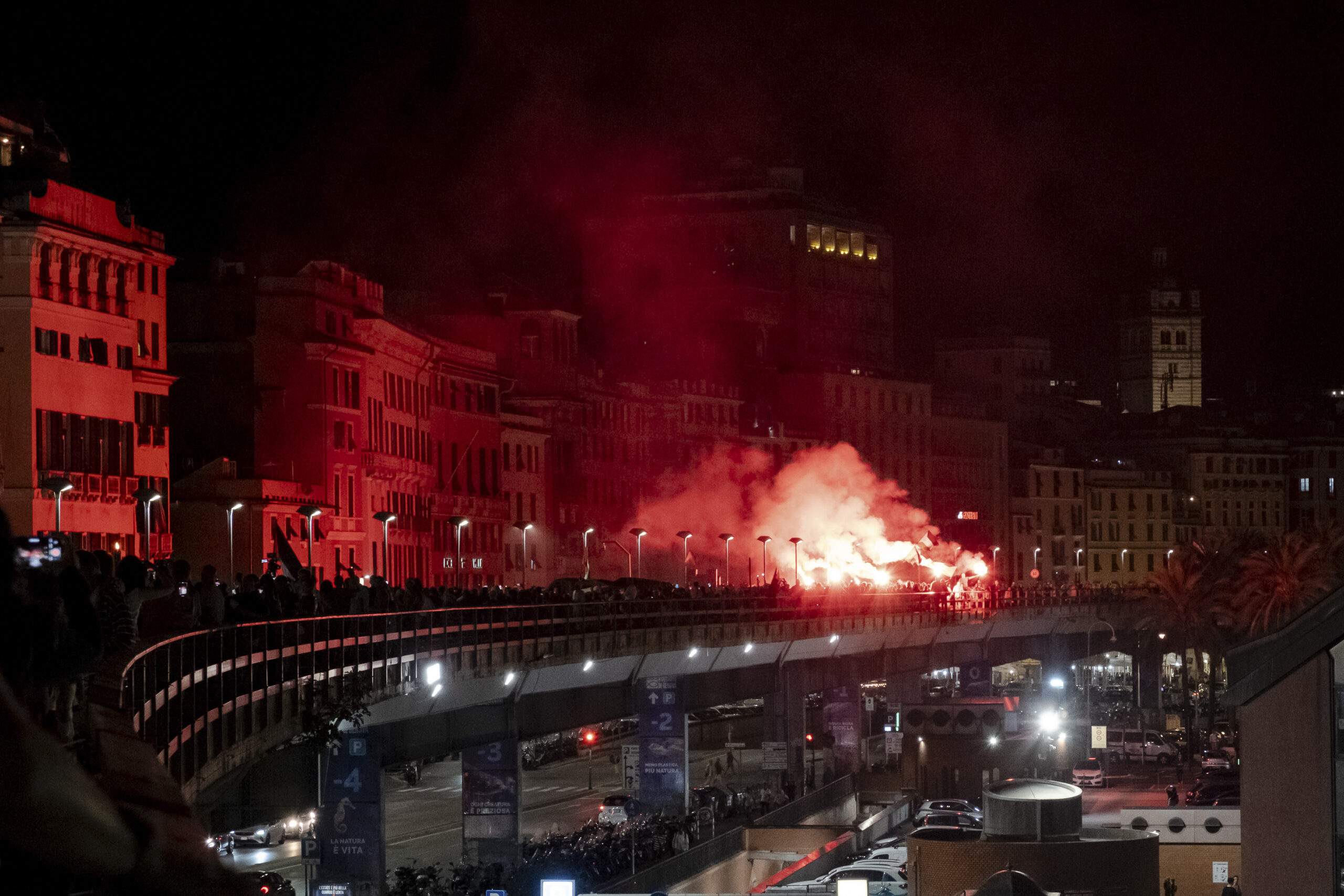
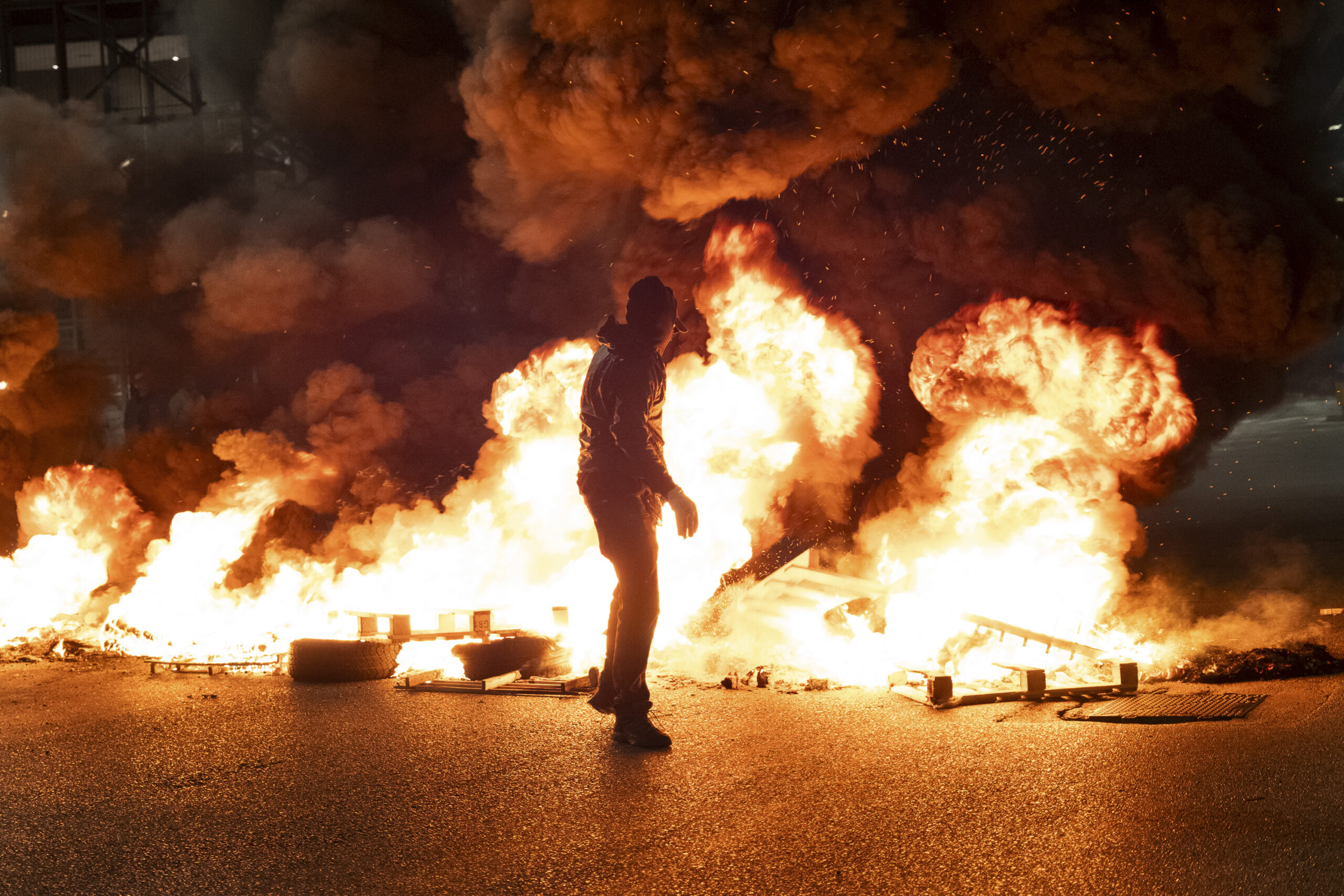
From the docks of the Port of Genoa to the streets of major global capitals, a powerful wave of dissent rose during the last quarter of 2025 to demand justice for the Palestinian people. At the heart of this mobilisation is a small group of dockworkers who refuse to load weapons onto ships: the Autonomous Collective of Port Workers (CALP).
The Port of Genoa is a vital hub in Mediterranean trade, with millions of containers passing through its terminals each year. A significant portion of global military logistics also transits through the port. CALP reports that approximately 13,000 containers leave the region bound for Israel each year; it is within this broader flow of commercial trade that the collective seeks to identify and intercept the shipment of military supplies.
Since 2019, CALP’s efforts—ranging from awareness campaigns and boycotts to leaking photos and the direct refusal to handle weaponry—have become central to a broader resistance against “war logistics” at sea and on land.
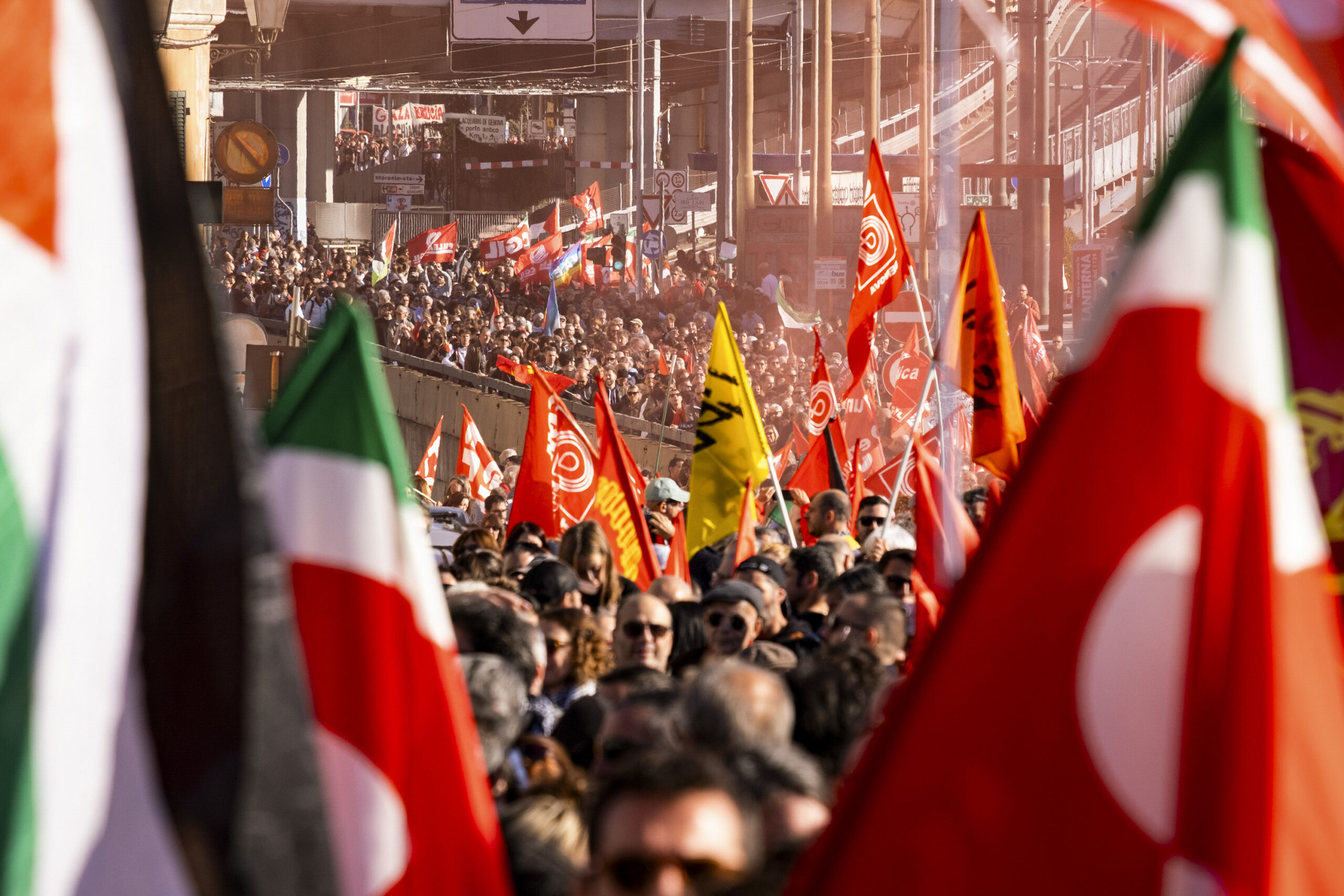
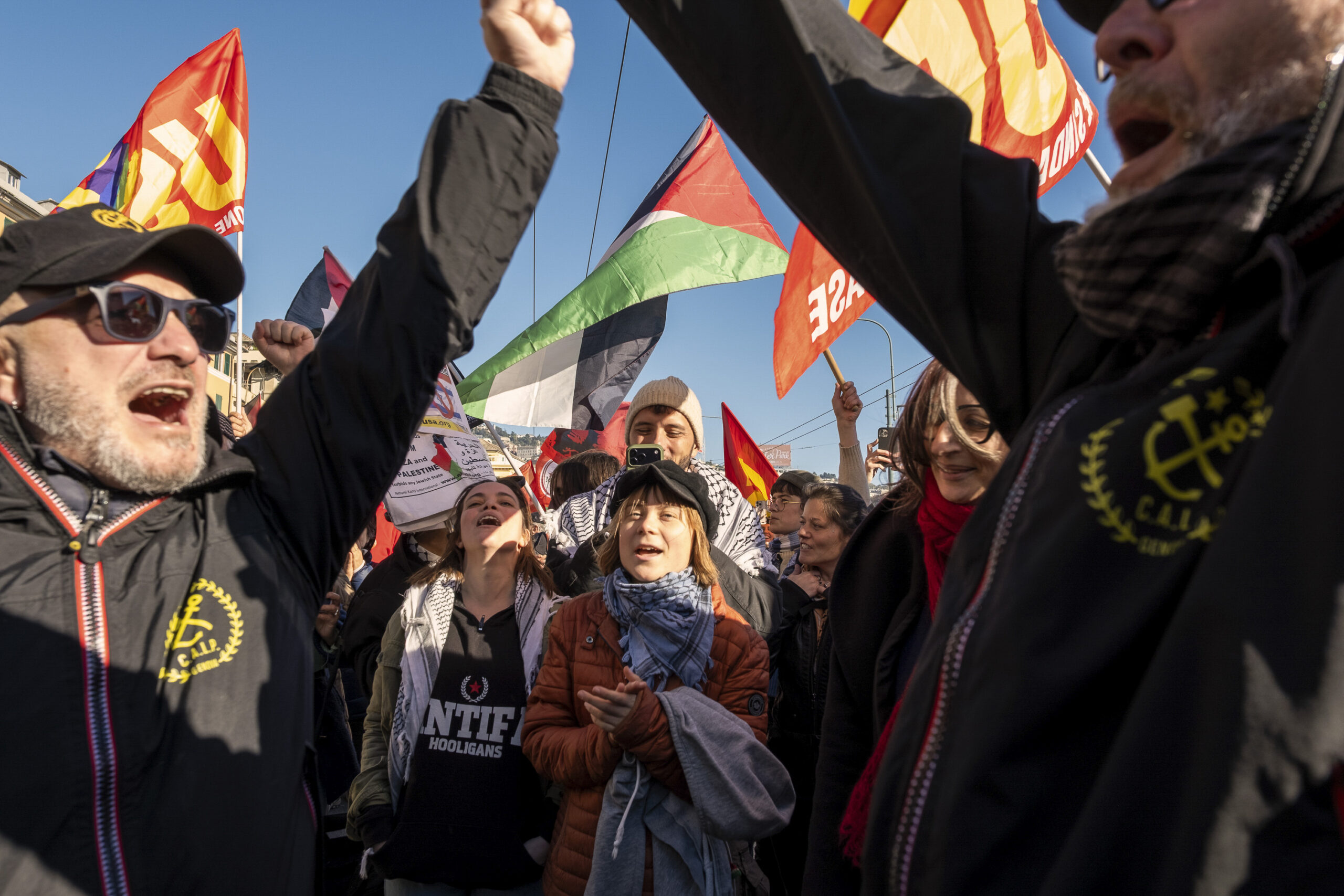
Starting in the summer of 2025, CALP’s work intersected with the Global Sumud Flotilla campaign, bolstered by the participation of port worker José Nivoi, linking labour struggles with humanitarian solidarity. This synergy was driven by USB, the grassroots union to which CALP belongs, which organised national strikes throughout the autumn against the government’s “war budget” and the diversion of public resources from welfare toward rearmament. These efforts culminated in the national strike and demonstration on November 28, where dockworkers, unions, students, and civil society stood together. They were joined by a broad international delegation including Francesca Albanese, Thiago Ávila, and Greta Thunberg, among many others.
The collective commitment to halt logistics in response to an eventual interception of the Flotilla resonated in demonstrations worldwide, acting as a peaceful but firm refusal to adapt to the narrative of an inevitable expansion of the conflict.
This series was awarded with an IPA Honorable Mention in 2026