Emanuela Zampa

The Illegal Cook

Harmanli, Bulgaria, 2024. Located along an ancient route between East and West, Harmanli lies on the banks of the Maritsa River (Evros), in the historical region of Thrace. Founded as a caravanserai, it served as a resting place for travelers. A 16th-century Ottoman bridge with an inscription that reads: “The world is a bridge, across which the way of the king and the poor man passes.”

WHAT TO DO WHEN LIFE GIVES YOU LEMONS?

At the edges of a changing Europe, facing a world marked by conflict and uncertainty, thousands of people move in search of safety, stability and dignity. Many become “illegal” primarily out of necessity, shaped by borders and unequal access to mobility. Yet beyond violence and uncertainty, migration also carries hope, resilience and the search for a different future.

Food embodies survival, memory, culture and community. Along migration routes, obtaining ingredients, cooking and sharing meals becomes increasingly difficult, shaped by movement, waiting and border restrictions. Within these conditions, food can become an act of resistance. Shared meals create moments of familiarity and exchange, where solidarity and human connection continue to emerge despite violent circumstances.

Rather than focusing exclusively on suffering, the project documents ordinary moments that continue to exist within migration: cooking, eating together, waiting, celebrating, and building relationships.

Developed between 2023 and 2024 along the Balkan route, “The Illegal Cook” was created within the framework of SolRoutes – A scientific initiative on/for border abolitionism, a research project by the Department of Education Sciences and the Laboratory of Visual Sociology at the University of Genoa, funded by the European Union (ERC, SOLROUTES, 101053836).

The project is ongoing and intended to expand across different migration routes and border contexts.

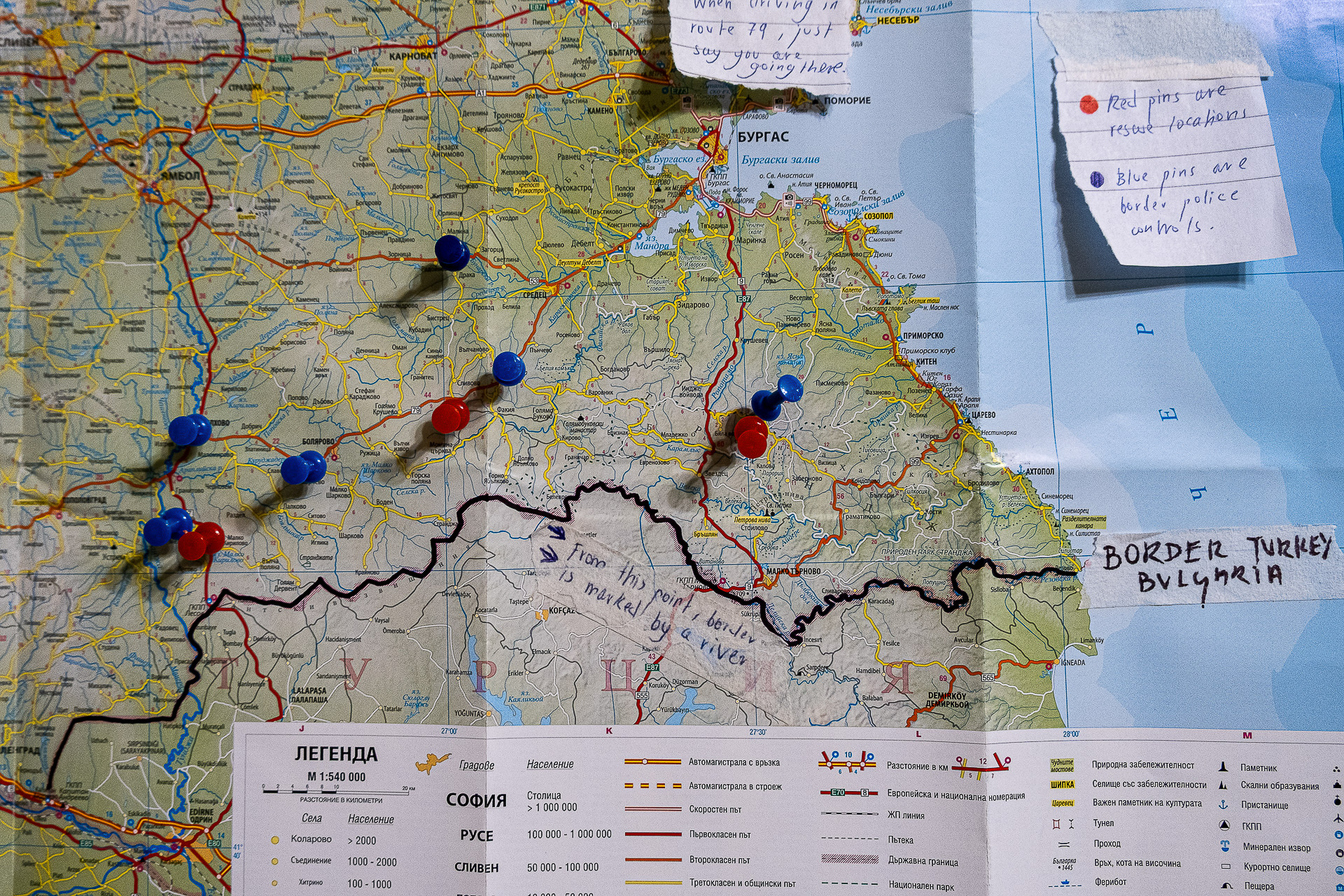
Harmanli, Bulgaria, 2024. A map of the Bulgaria–Turkey border shows marked locations linked to migrant distress calls and reported border interventions. The area is part of the European Union’s external frontier.
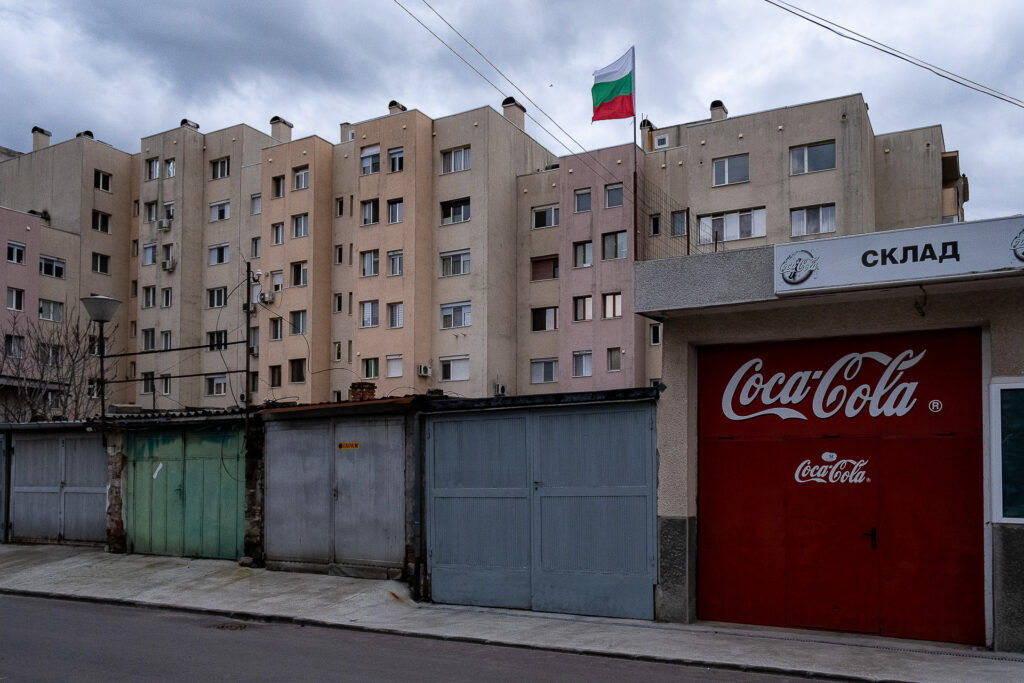
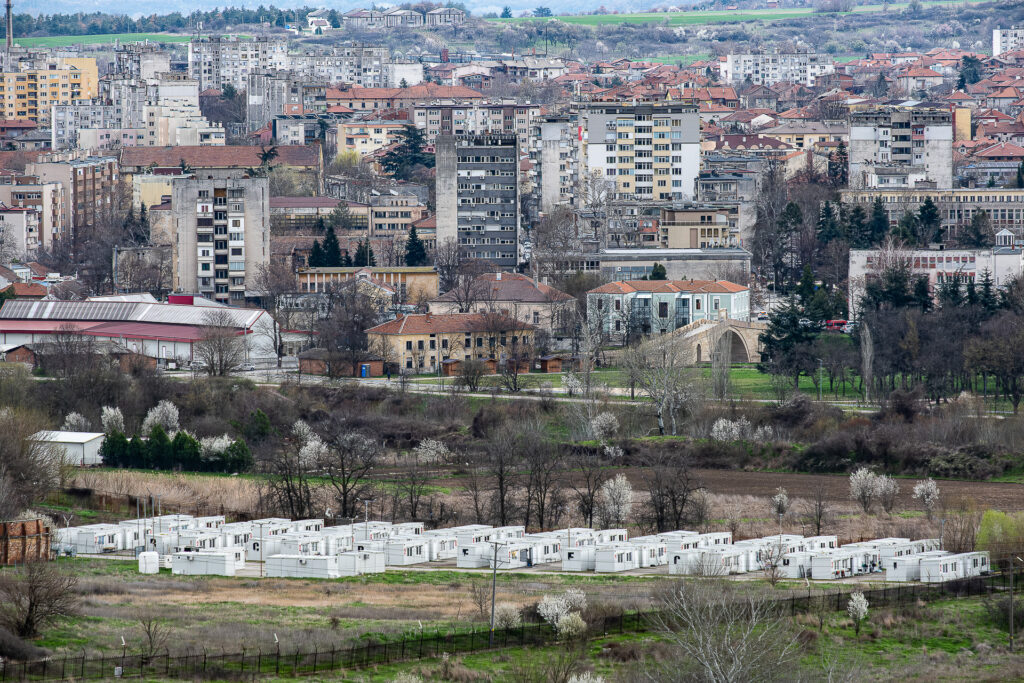
Harmanli, Bulgaria, 2024. A post sovietic town of roughly 20.000 in the provice of Haskovo, on the gate between east and ovest, at the very limes between two worlds.
Lyubimets, Bulgaria, 2024. The Lyubimets Detention Centre is part of a wider border infrastructure that includes the Harmanli Reception Centre and the Pastrogor Transit Centre. Together, these facilities provide an estimated combined capacity of around 2,850 places.
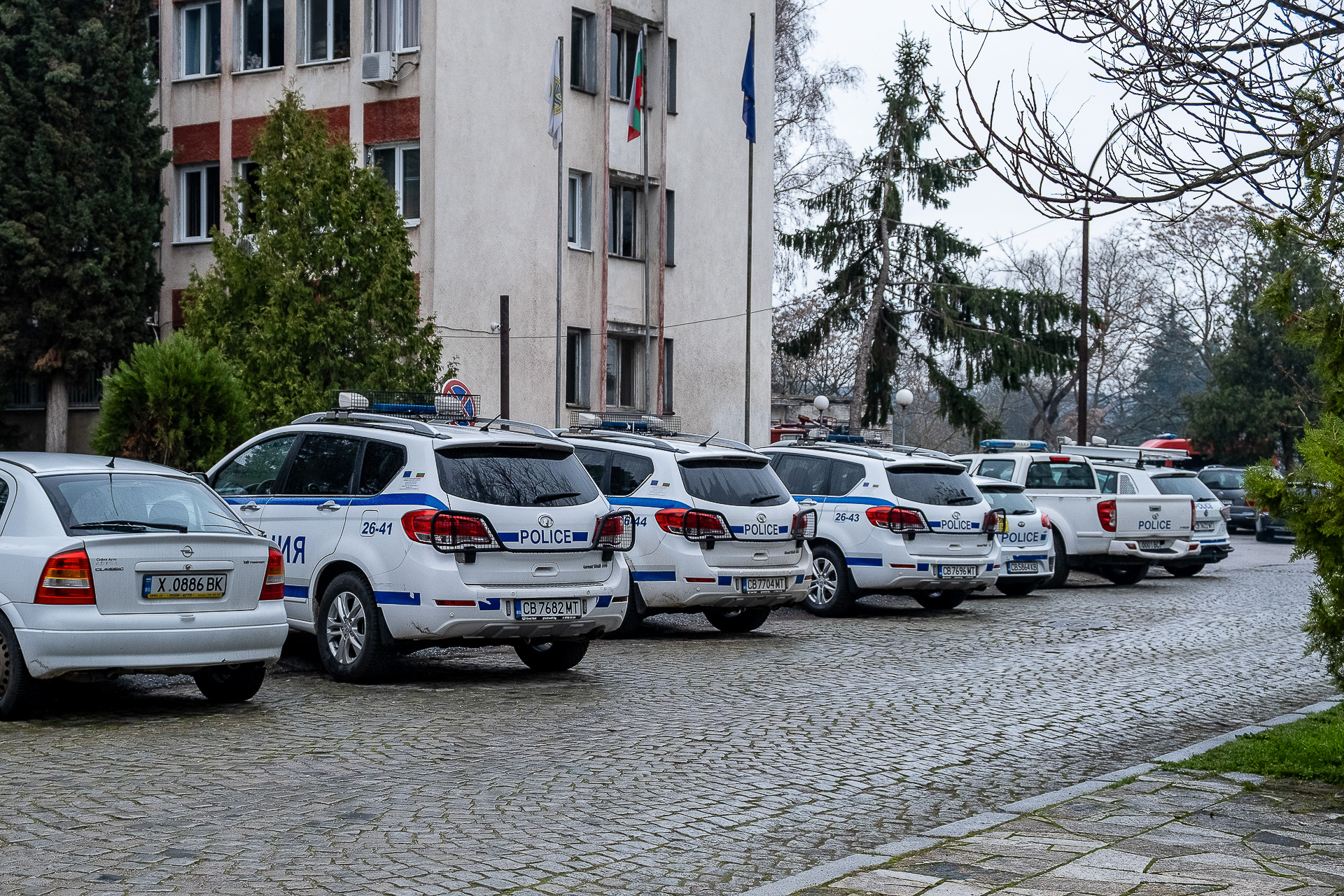
Harmanli, Bulgaria, 2024. Police vehicles are parked outside the police station. The town, located near the border with Turkey, has seen an increased security presence in recent years as part of efforts to control migration along one of the European Union’s external frontiers.
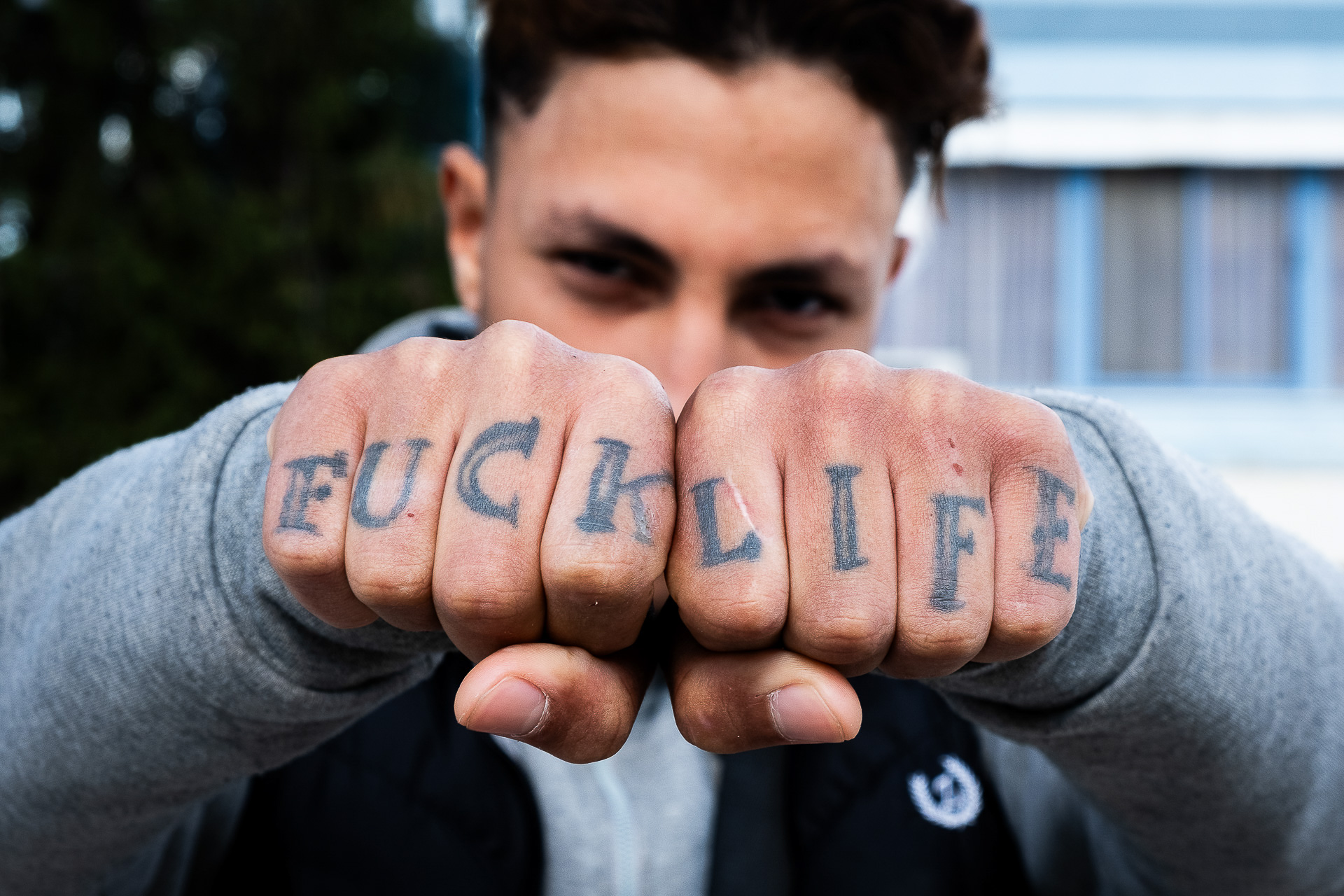
Harmanli, Bulgaria, 2024. Anas is North African. I met him in Svilengrad, near the Pastrogor Transit Centre in southern Bulgaria. After his asylum claim was rejected, he was transferred to the Lyubimets Detention Centre, where he was detentined for at least 18 months. I later lost track of him.
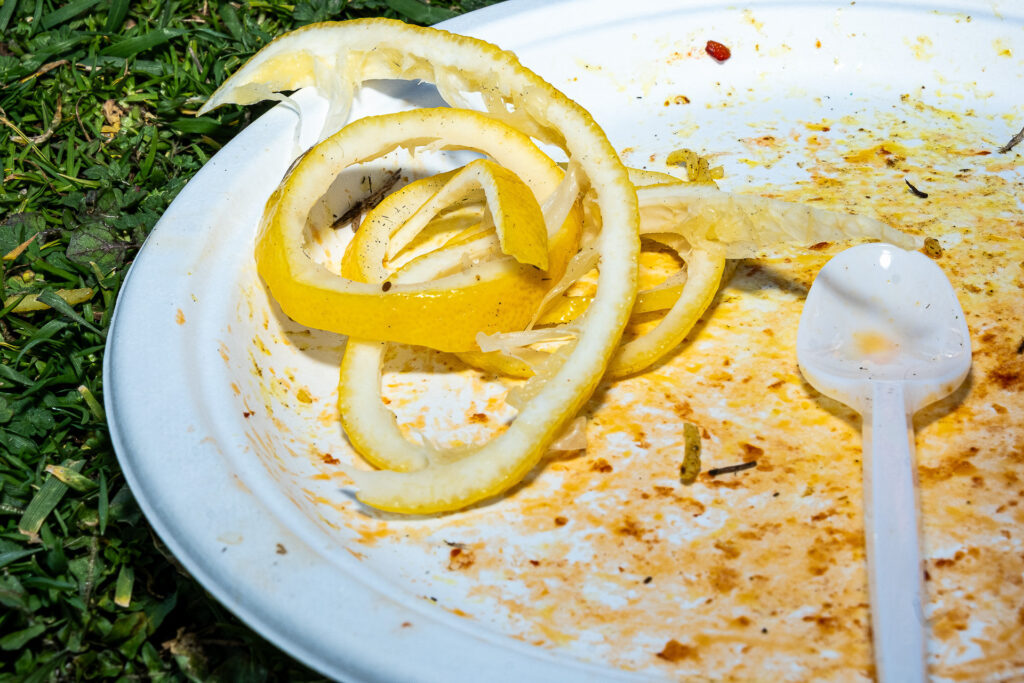
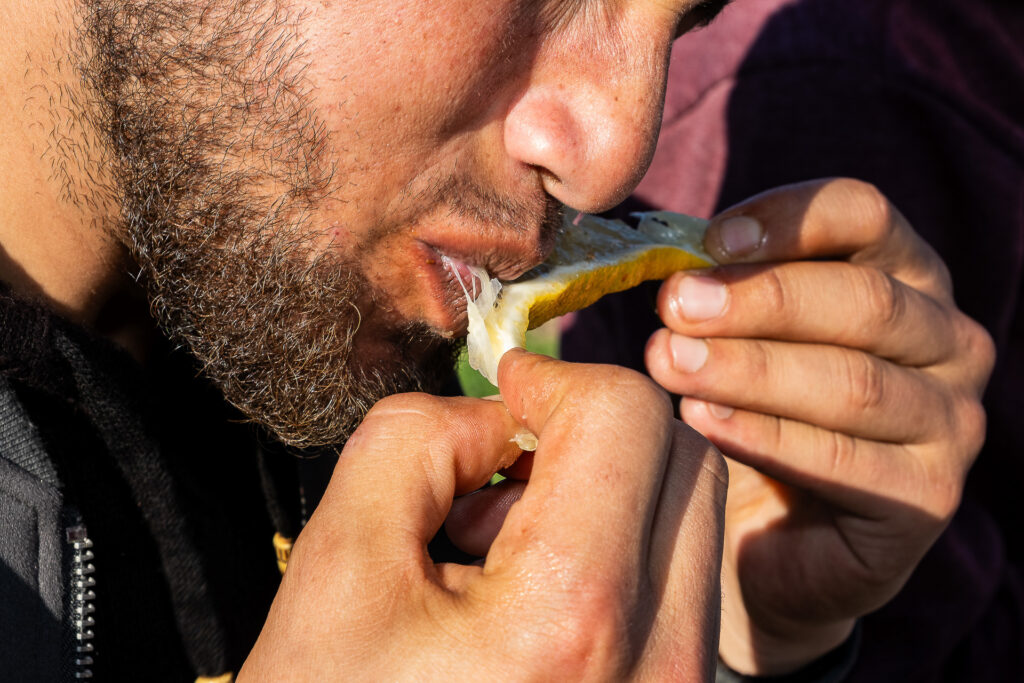
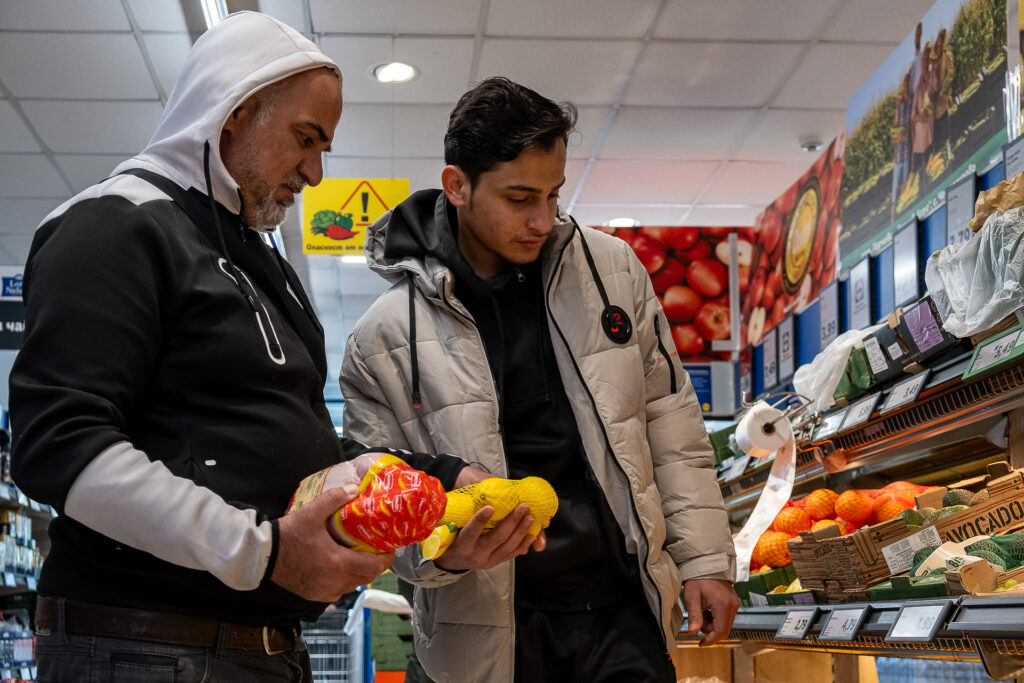
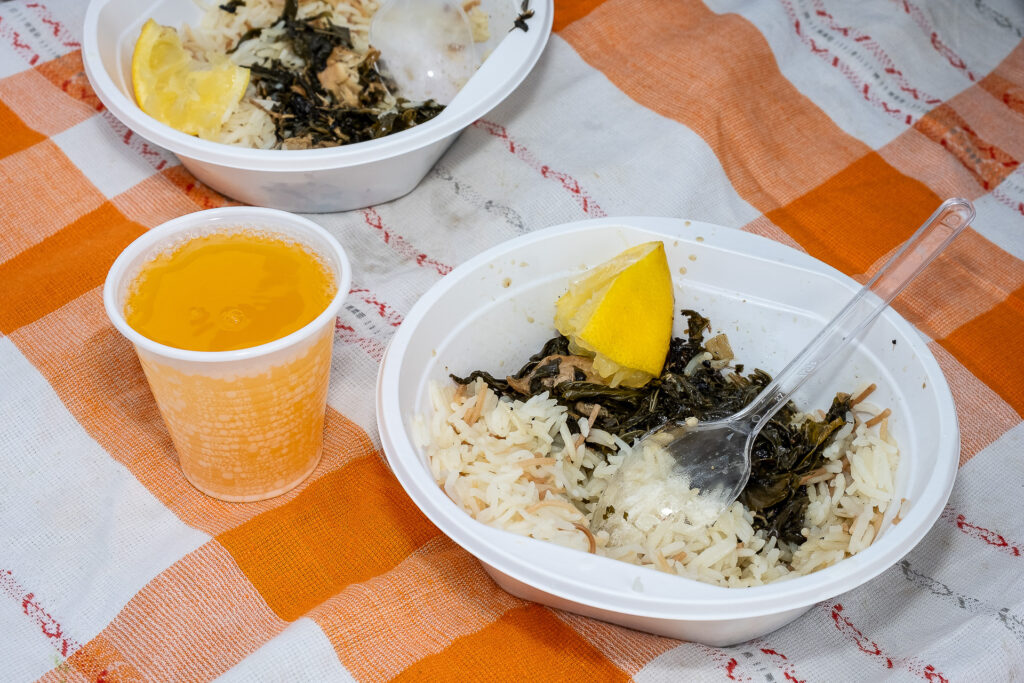
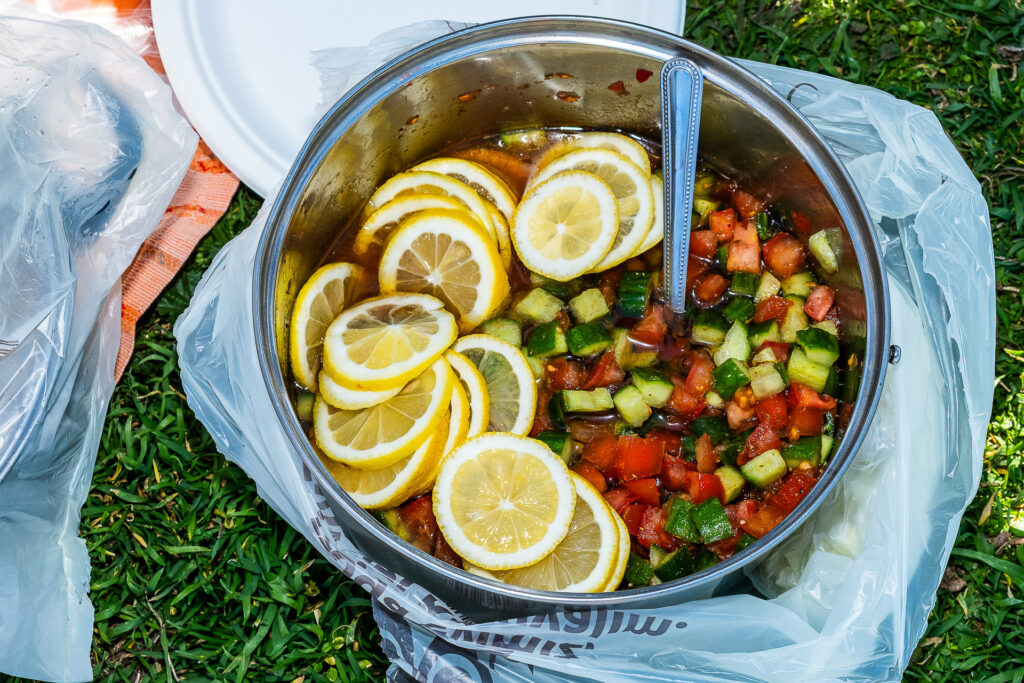
Harmanli, Bulgaria, 2024. The lemons life gave you. What do you do when life gives you lemons? You cook them. There is not much else left to do as a form of resistance when you are stuck in a place you did not choose — a cold container under surveillance, uncertain whether you will receive documents or be forced to return to your war-torn home.
Harmanli, Bulgaria, 2024. In a world of borders and hate, clandestine cooks embody silent resistance, transforming suffering into dignity and simple ingredients into memories and hope—a protest seen through barricades made with the smoke of stoves and spices.
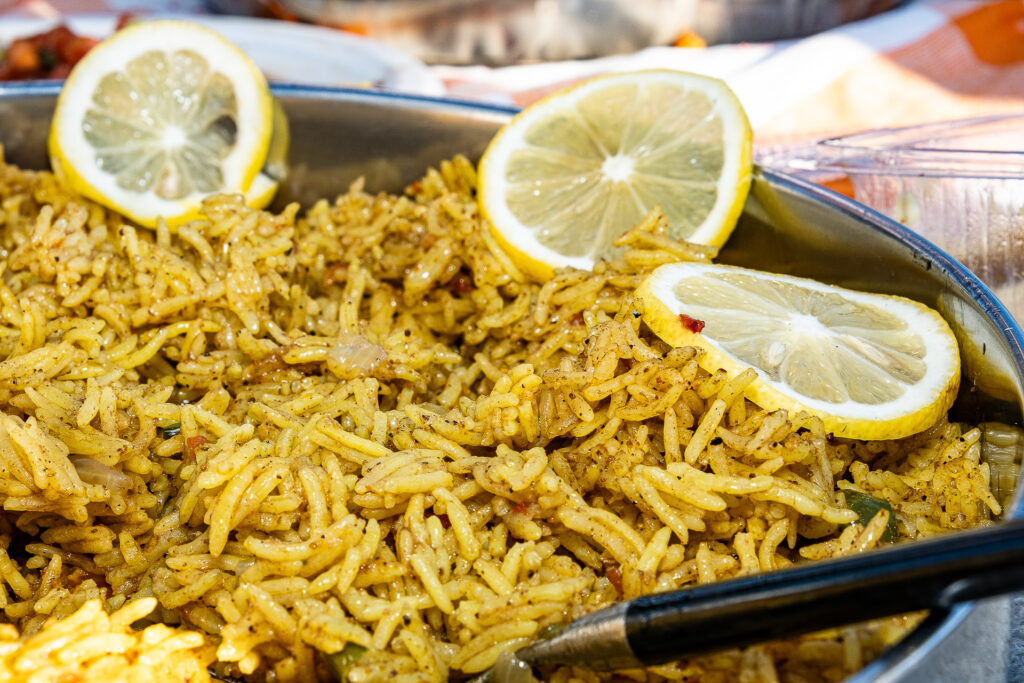
Harmanli, Bulgaria, 2024. Kabsa tells a story with every bite. Onions, garlic, ginger, green chili, then a mix of spices — cardamom, cinnamon, cloves, black pepper, cumin, nutmeg, coriander, dried lime, saffron. Chicken, tomatoes, carrots and basmati rice cook together, absorbing each other’s intensity, like friends.
Harmanli, Bulgaria, 2024. Jalal and Mahmood shop for groceries to prepare molokhia. Everyday routines unfold within a context shaped by displacement.
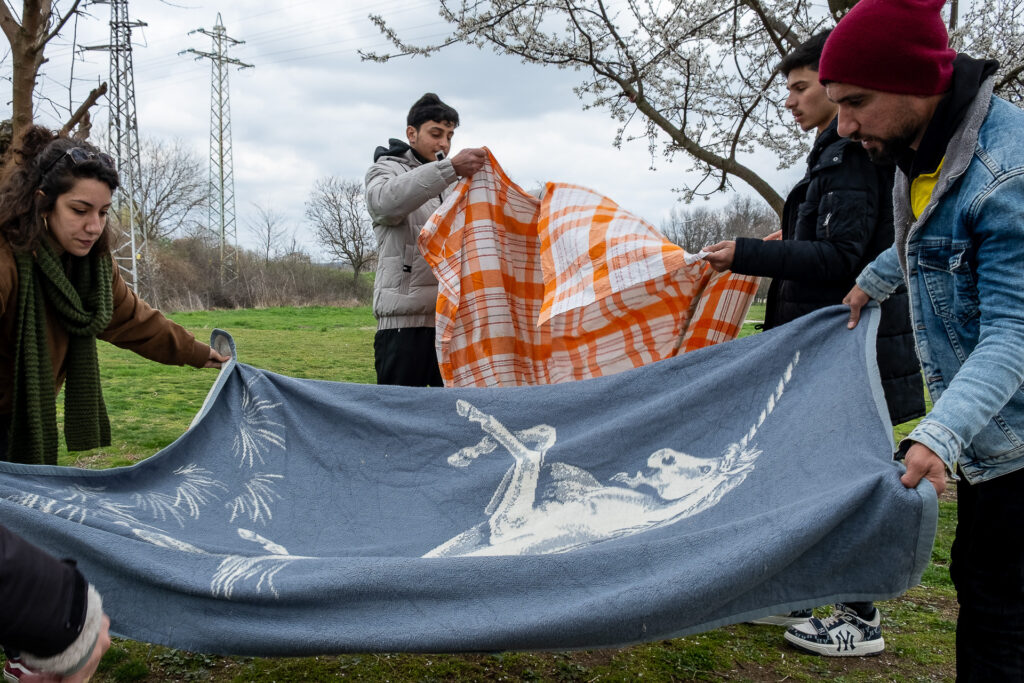
Harmanli, Bulgaria, 2024. We use blankets and table cloths to set up our shared meals. Eating toghether is a way to build connections, offering a sense of familiarity and continuity despite constantly changing conditions.
Harmanli, Bulgaria, 2024. Many refer to it as “The Game”. The Balkan route, crossing from Turkey into European Union territories, is marked by repeated reports of pushbacks and other forms of violence against migrants, including people being left without shoes in remote forest areas.
Harmanli, Bulgaria, 2024. Hussain and Mahmood are two syrian cousins. 18 and 19. It took them 10 attempts to reach Bulgaria, one of which took them to the infamous camp of Kirklareli, in the Area of Edirne in northern Turkey.
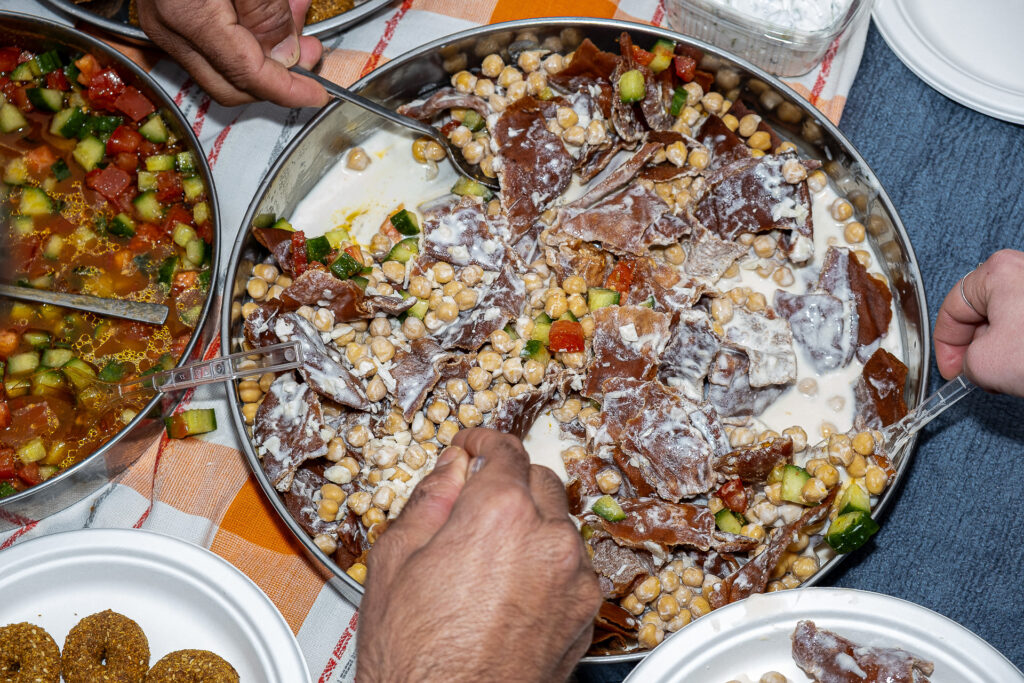
Harmanli, Bulgaria, 2024. Mixing vibrant, colourful foods is a perfect way to leave hard memories aside. They know it, and prepare a fresh salad dressed with lemon, salt, cumin and olive oil alongside fatteh, a traditional Levantine dish made of toasted flatbread, boiled chickpeas, yogurt, garlic and tahini sauce.
Harmanli, Bulgaria, 2024. Three hands reach into a shared plate of fatteh. Sharing food and reflecting on these everyday gestures within extraordinary circumstances makes me feel closer to them, even when a border defines one of us as illegal.
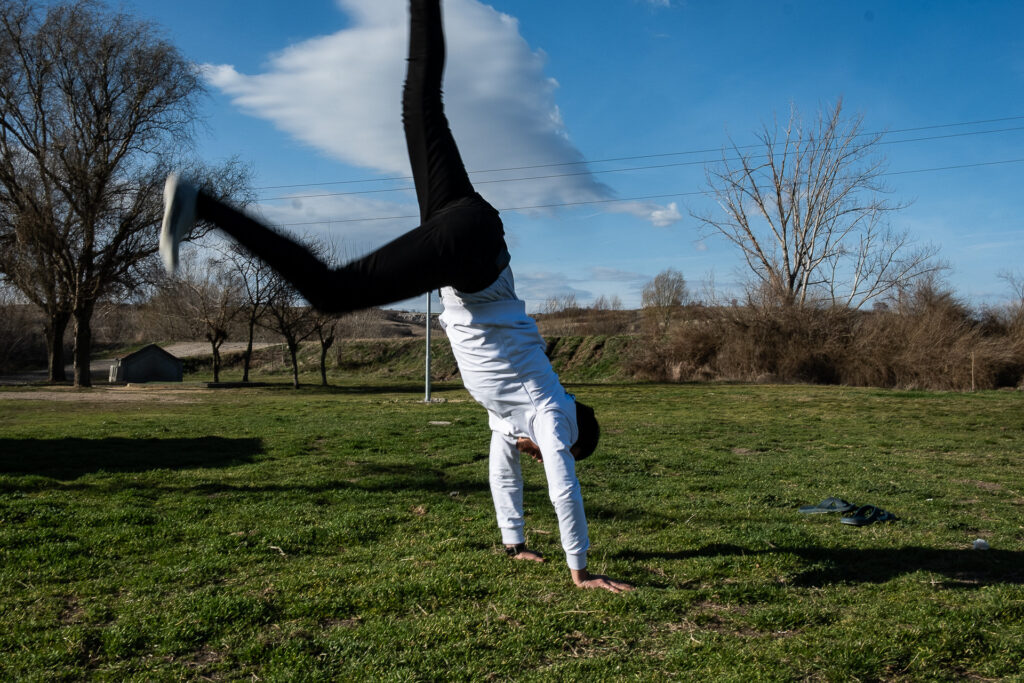
Harmanli, Bulgaria, 2024. Mahmood does a cartwheel in the park after lunch. For a moment, the body moves freely, detached from the fear of not being able to build new connections in an unfamiliar place.
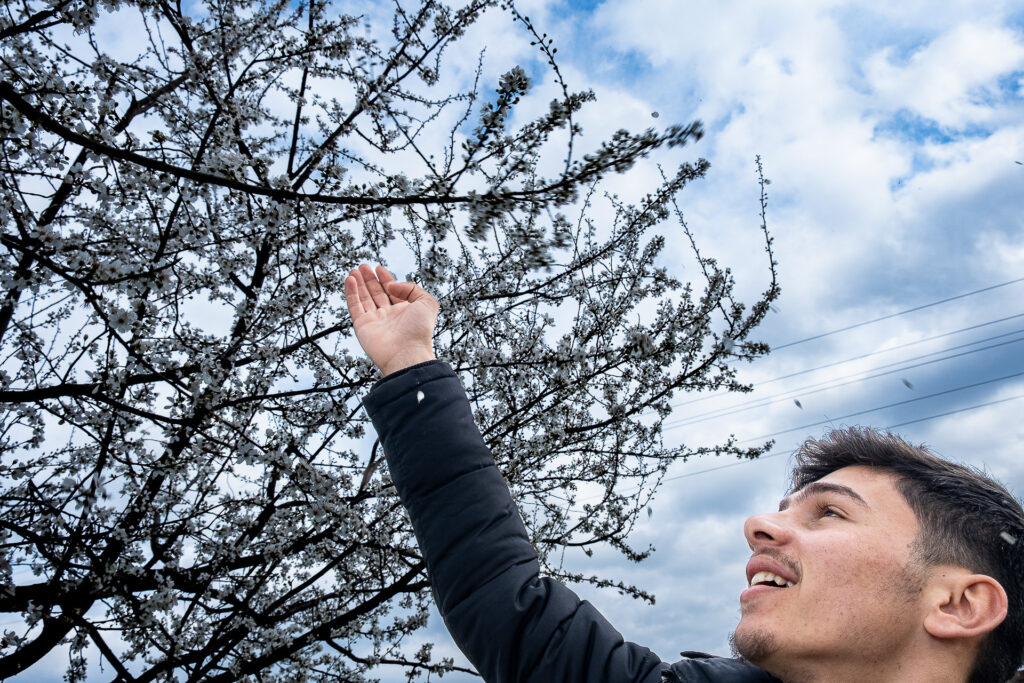
Harmanli, Bulgaria, 2024. Hussain plays with branches covered in spring blossoms in the park.
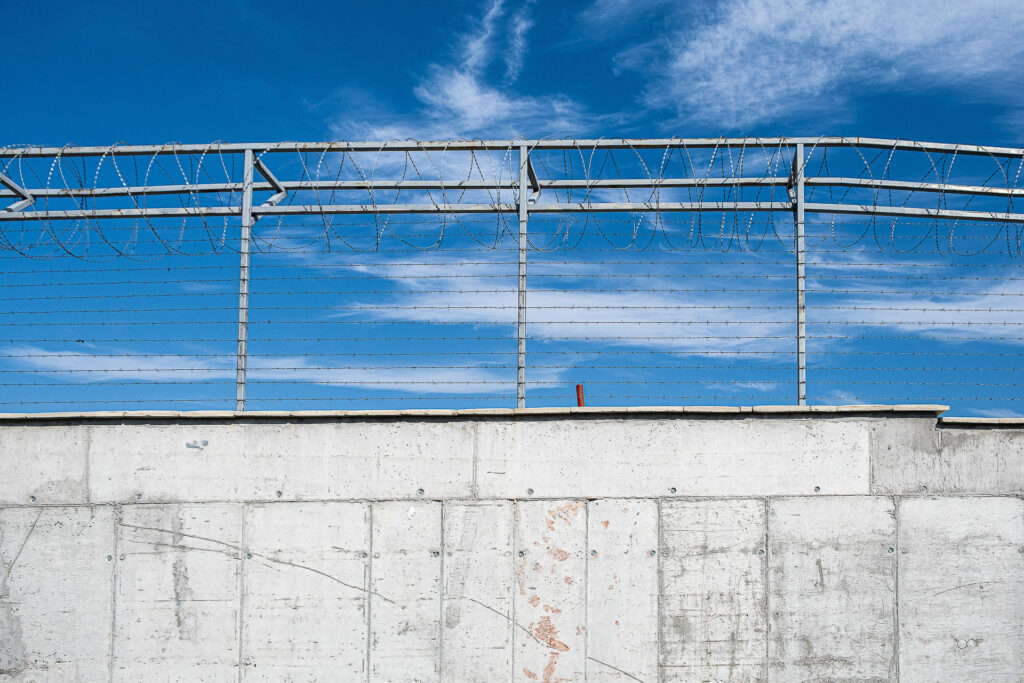
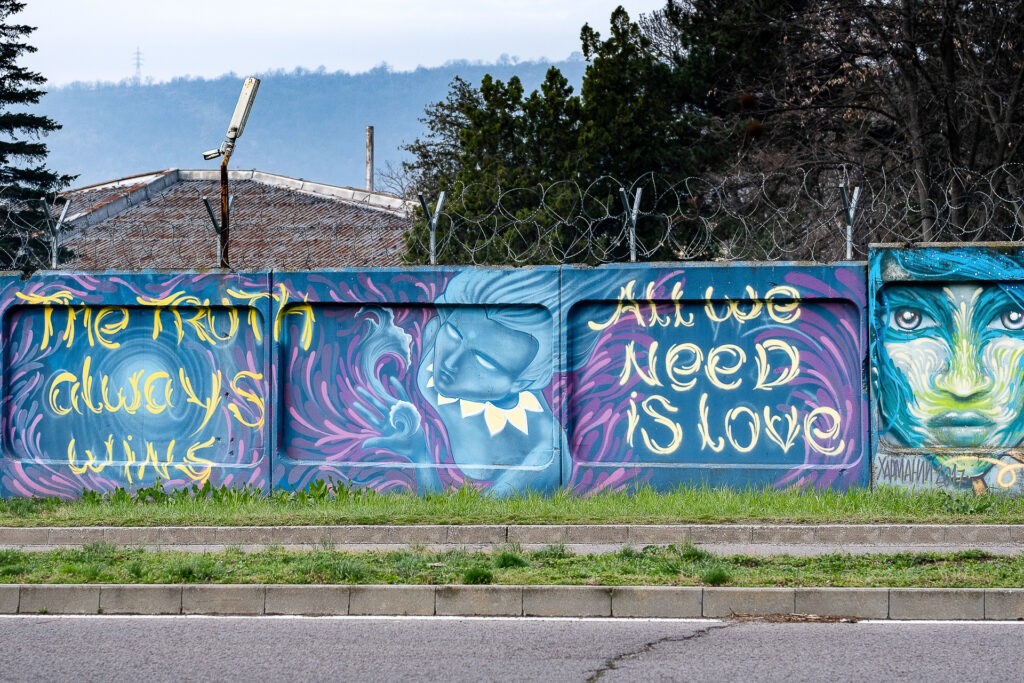
The wall surrounding the Identification and Reception Centre in Harmanli, the largest of Bulgaria, hosts mostrly Syrians waiting to receive their documents. Any other activity is not allowed.
Events and news coverage