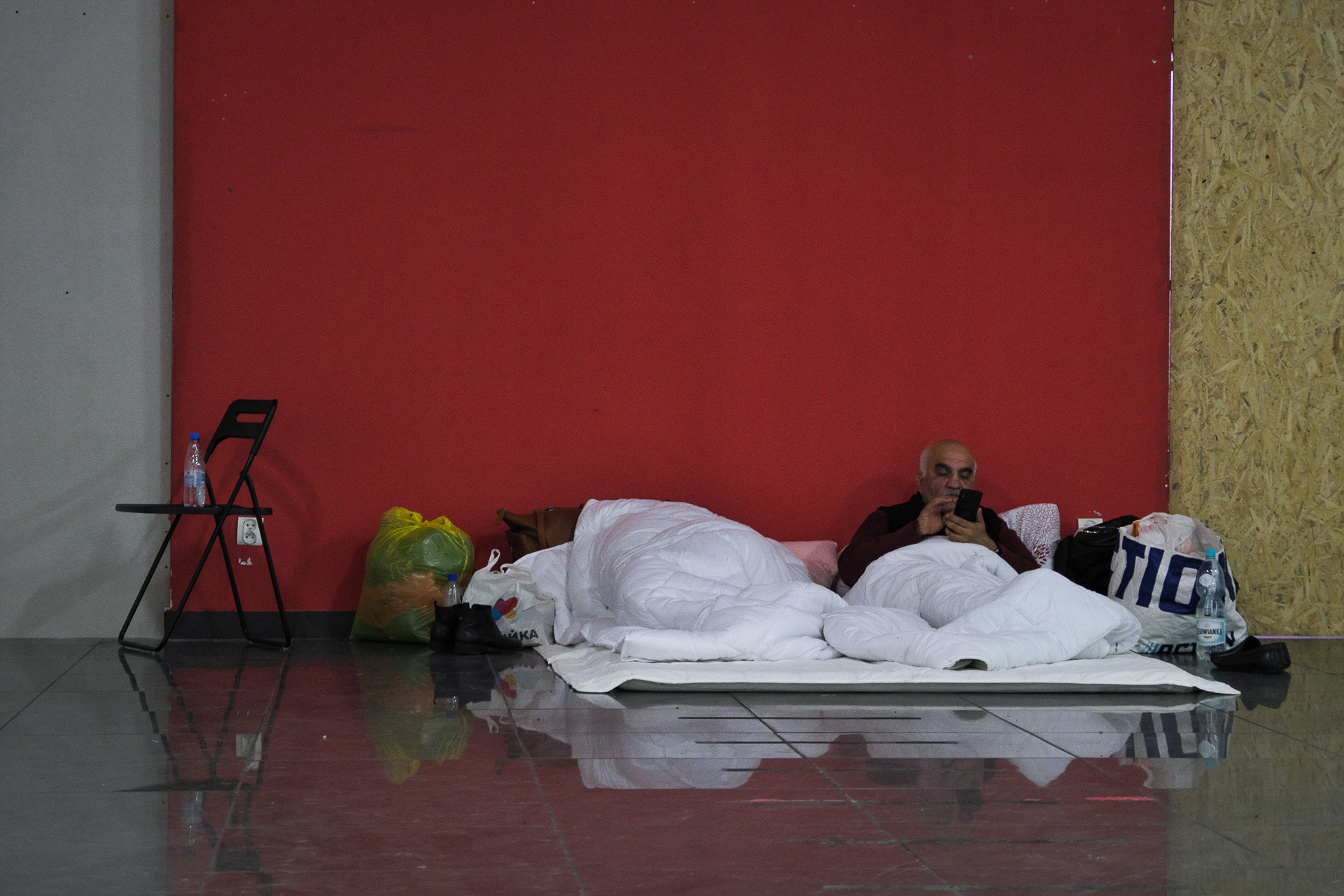
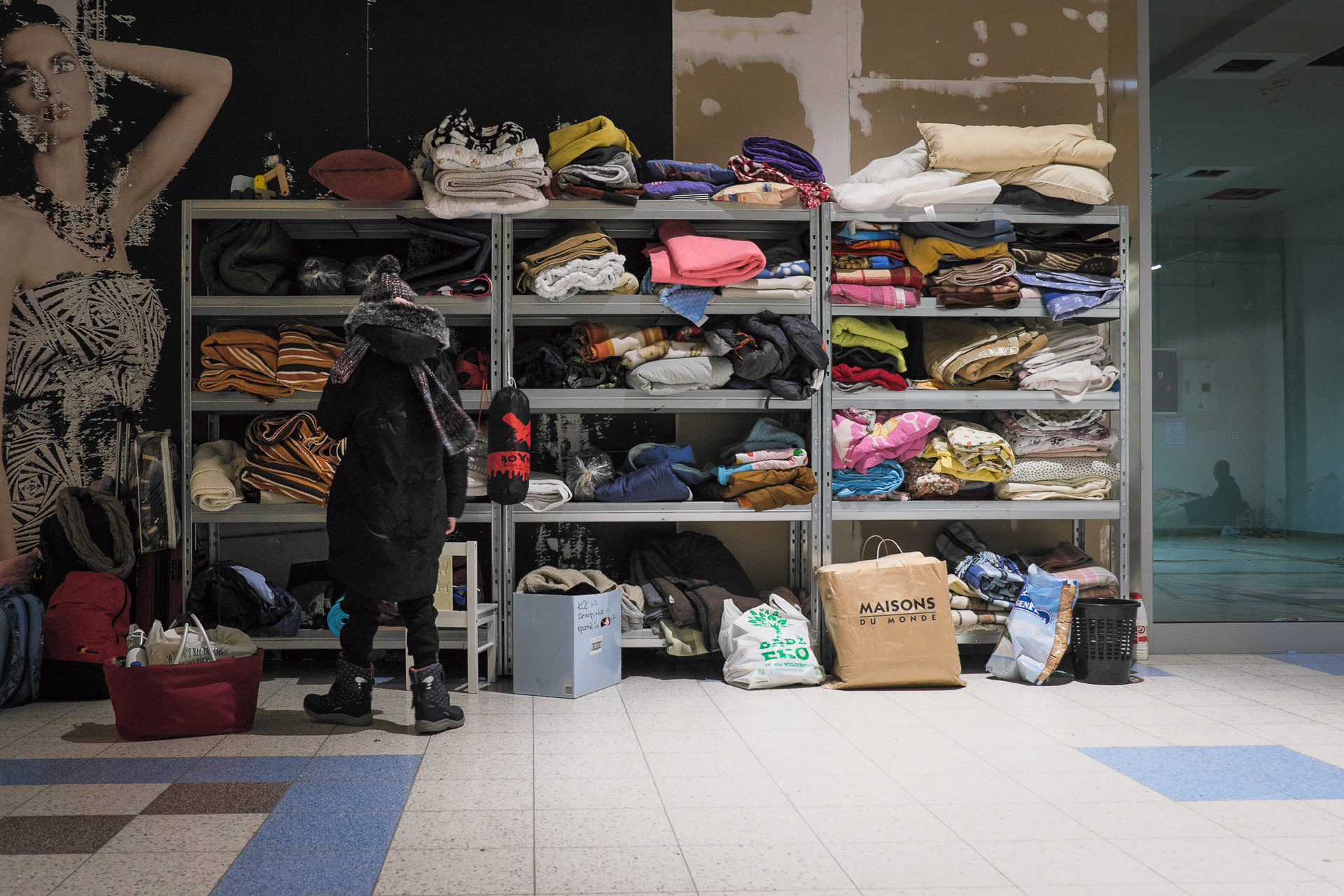
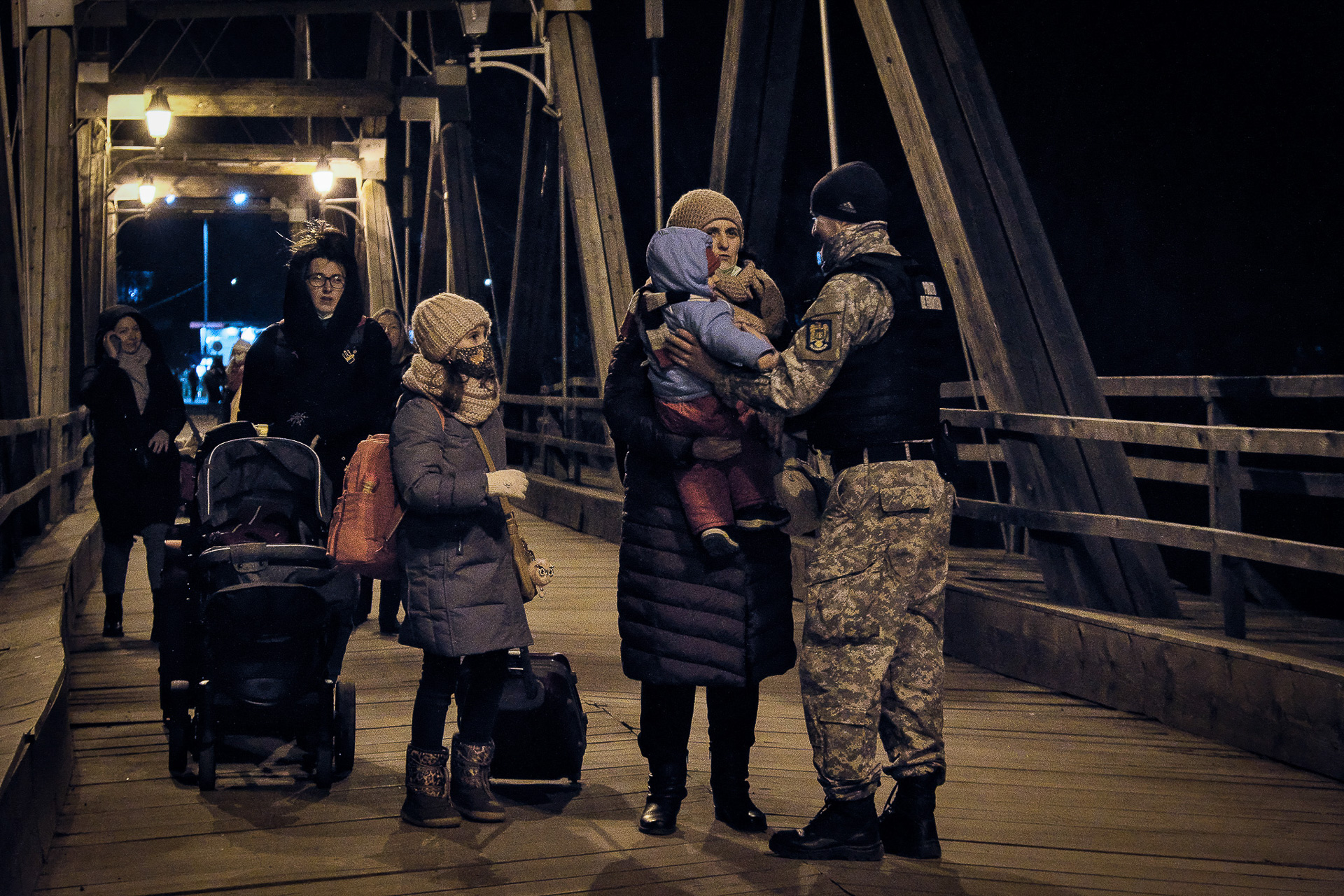
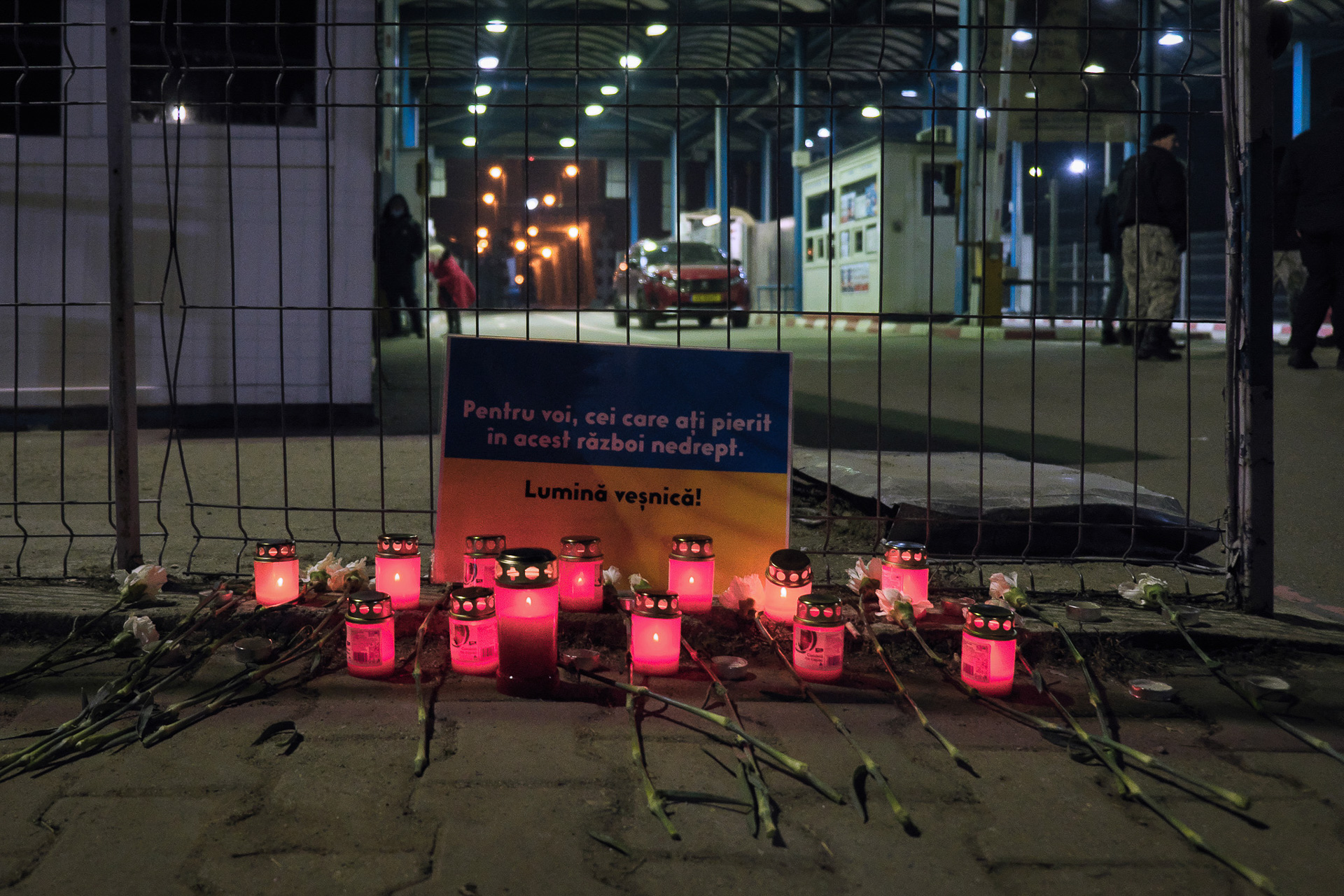
On 24 February 2022, the Armed Forces of the Russian Federation invaded Ukrainian territory, marking a clear escalation of the Russia–Ukraine conflict that had been ongoing since 2014. This triggered the largest and fastest exodus Europe had seen since the Balkan wars and the Second World War. More than 5 million people left Ukraine in the first month, 2 million in the first two weeks alone, according to UNHCR.
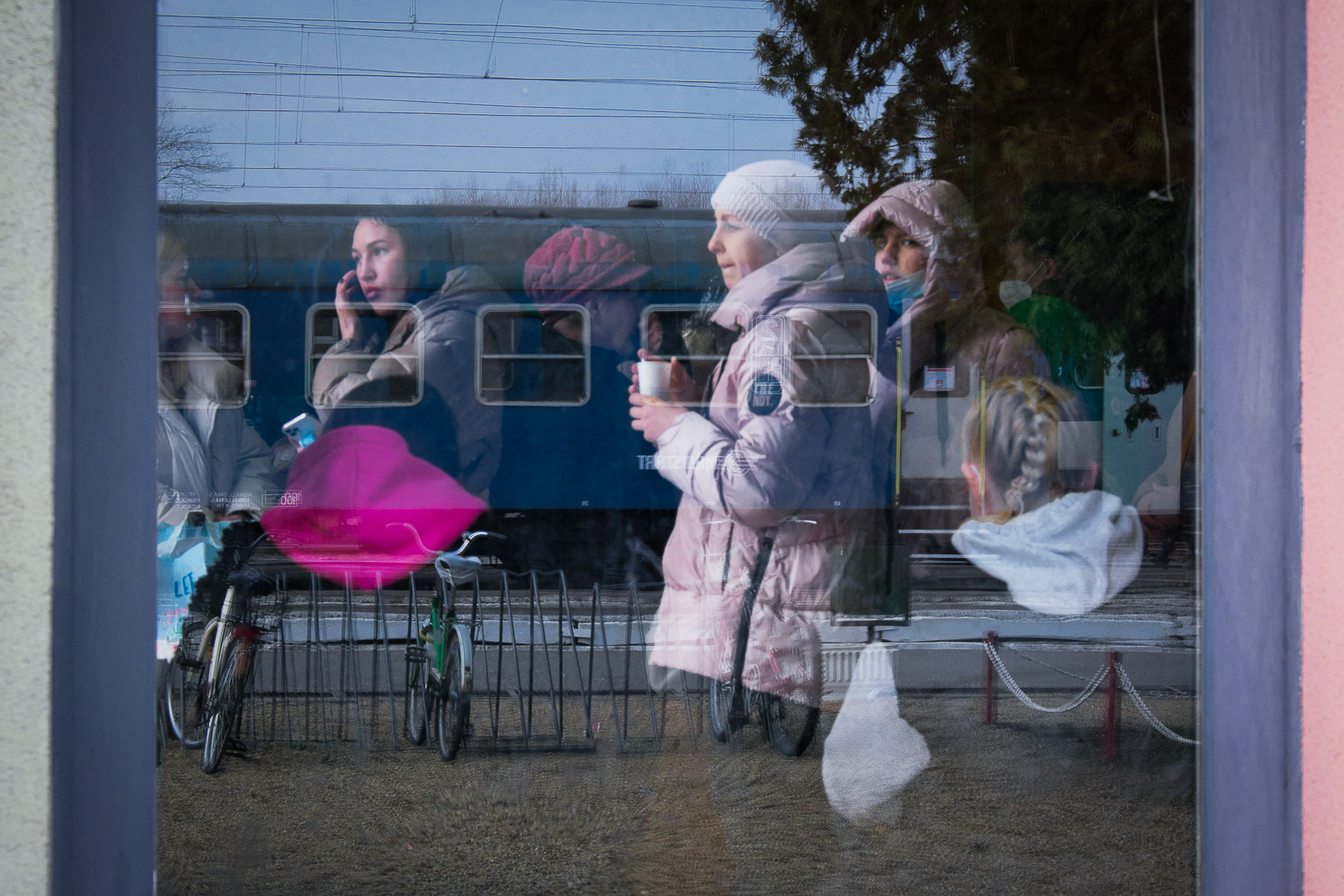
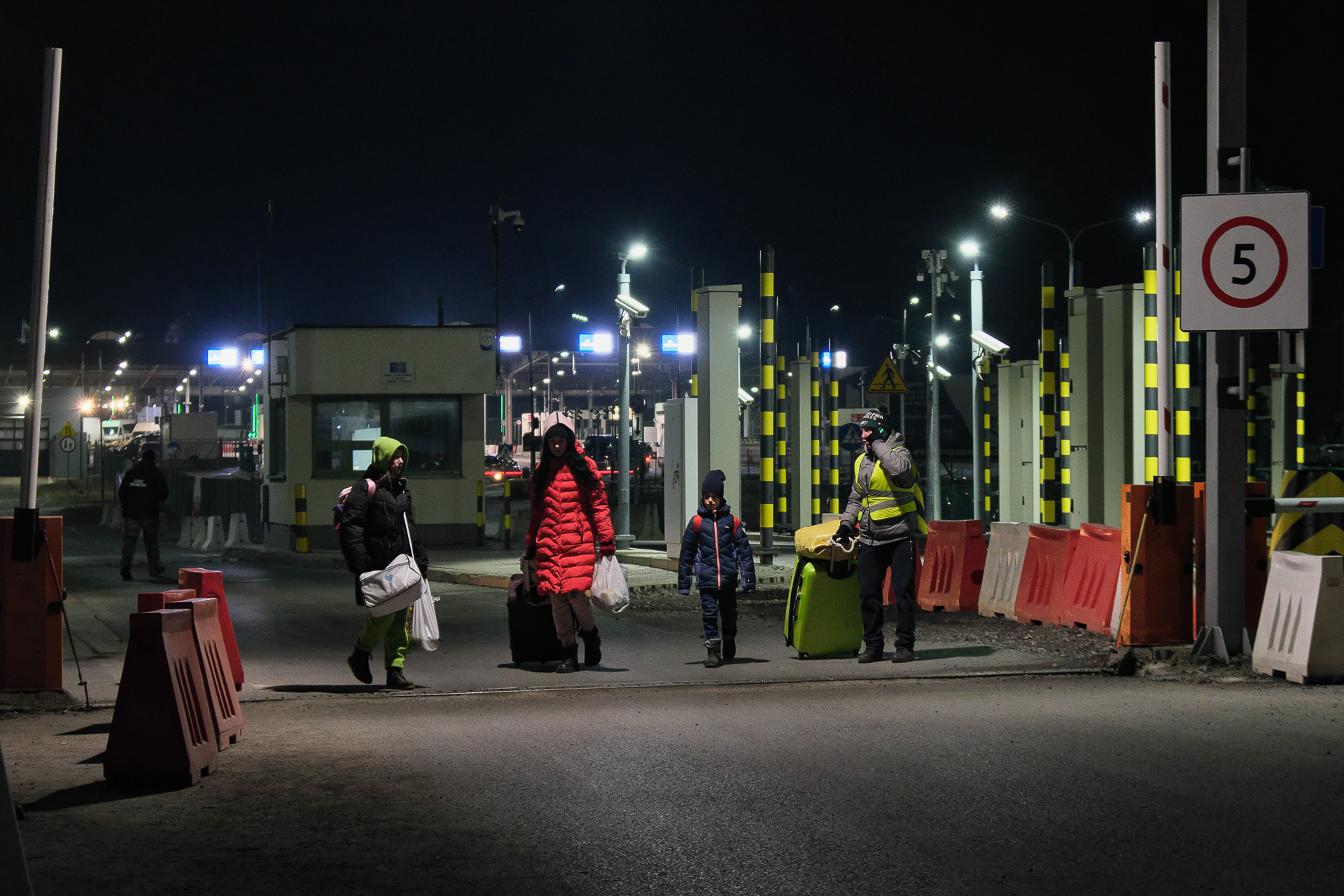
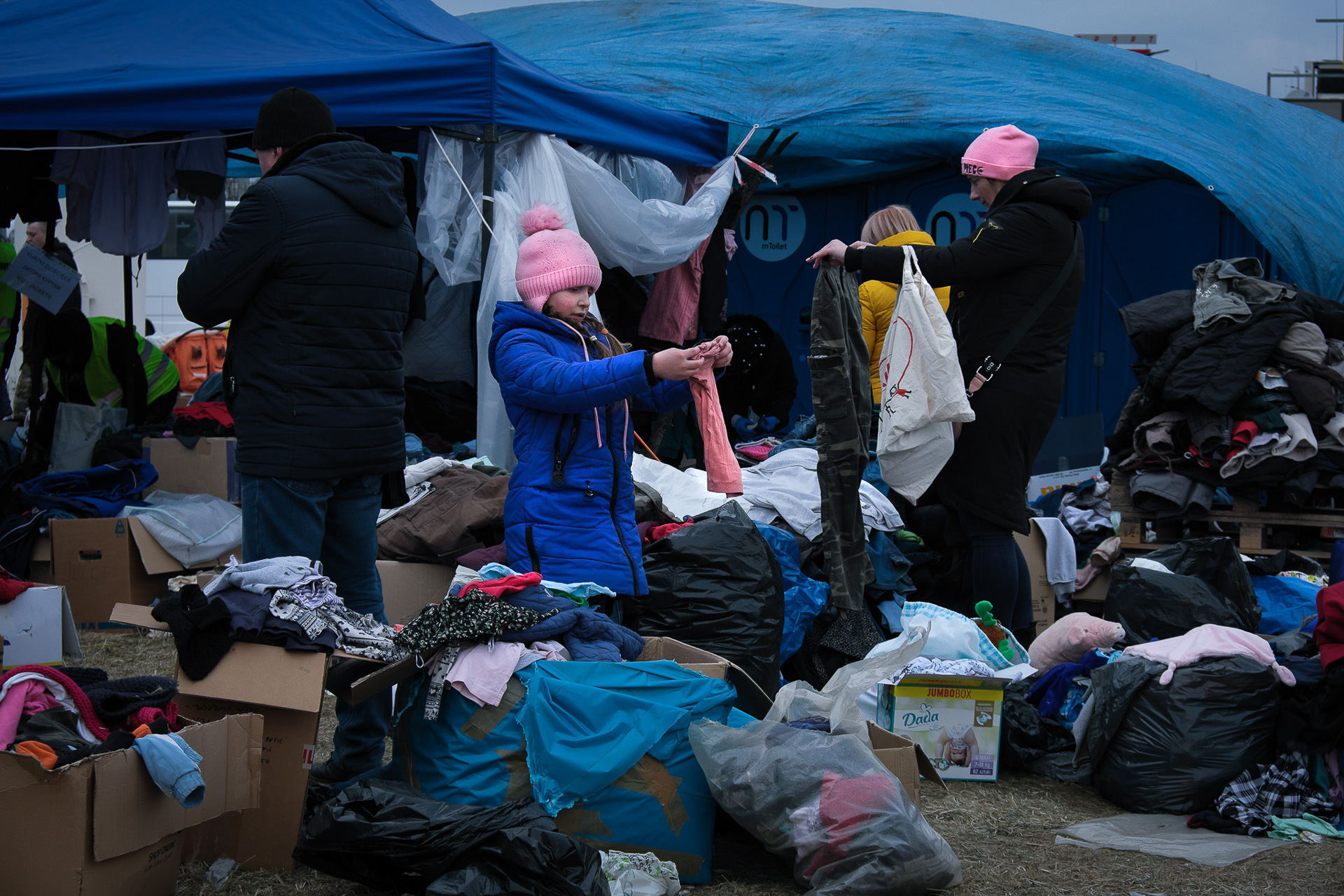
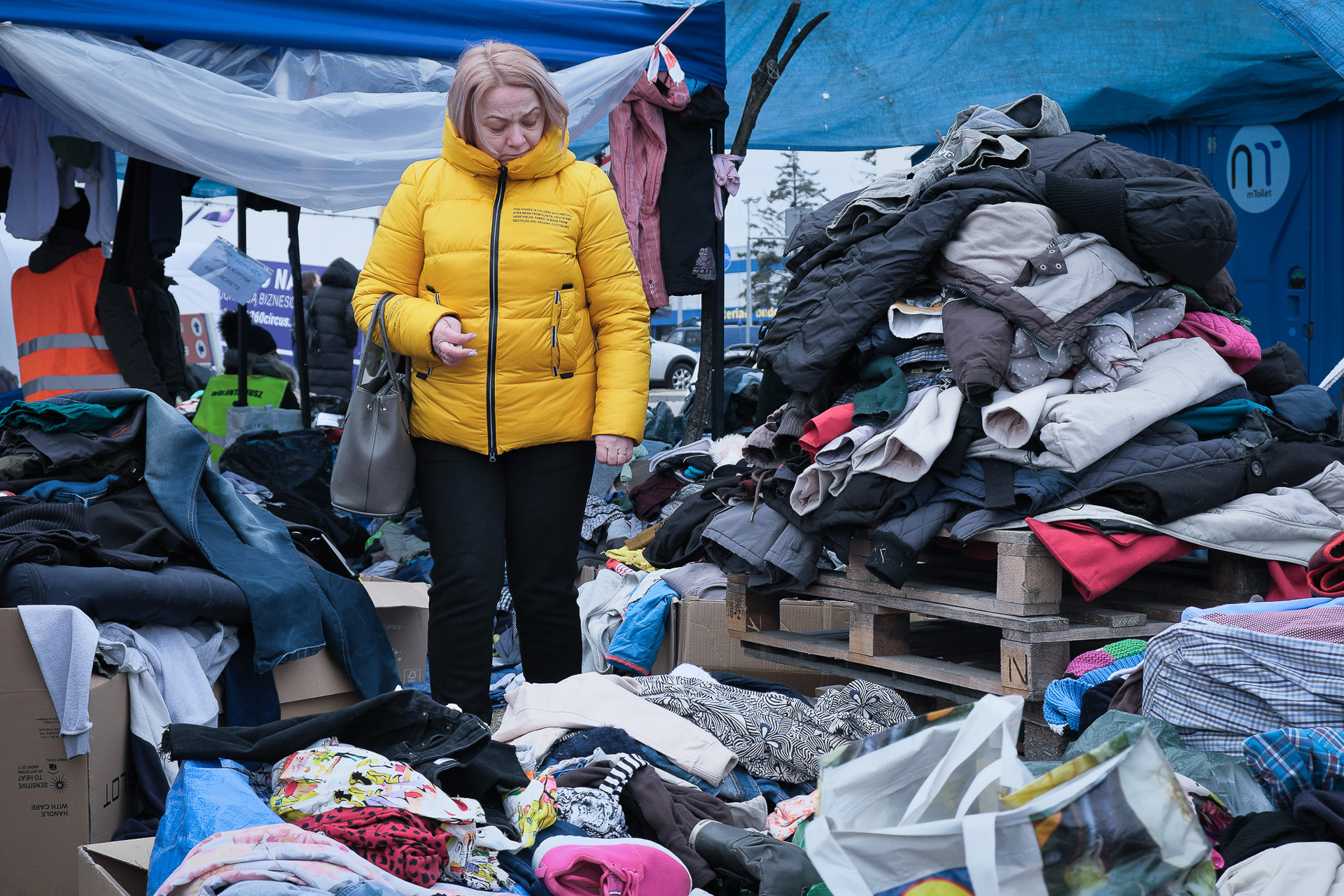
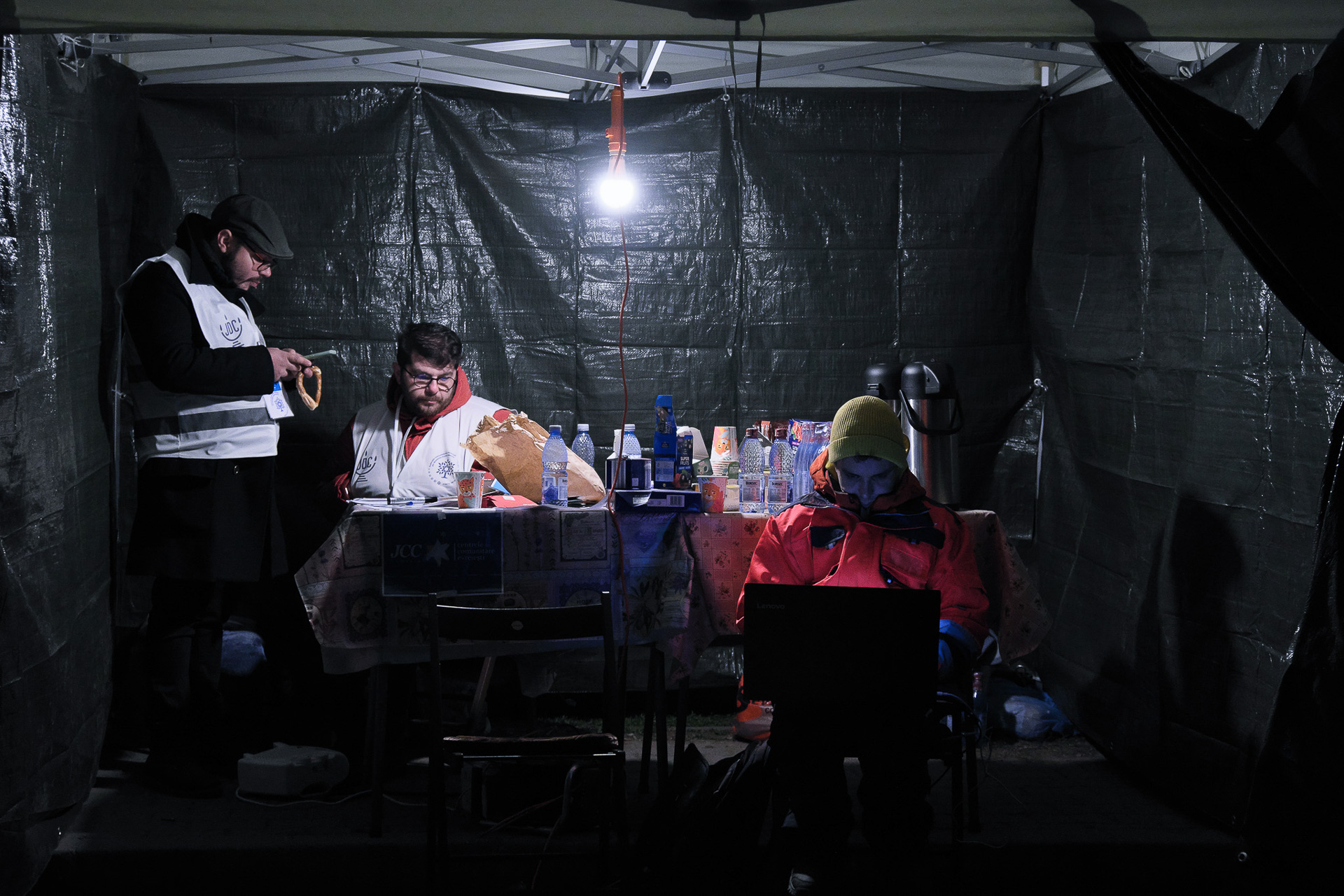
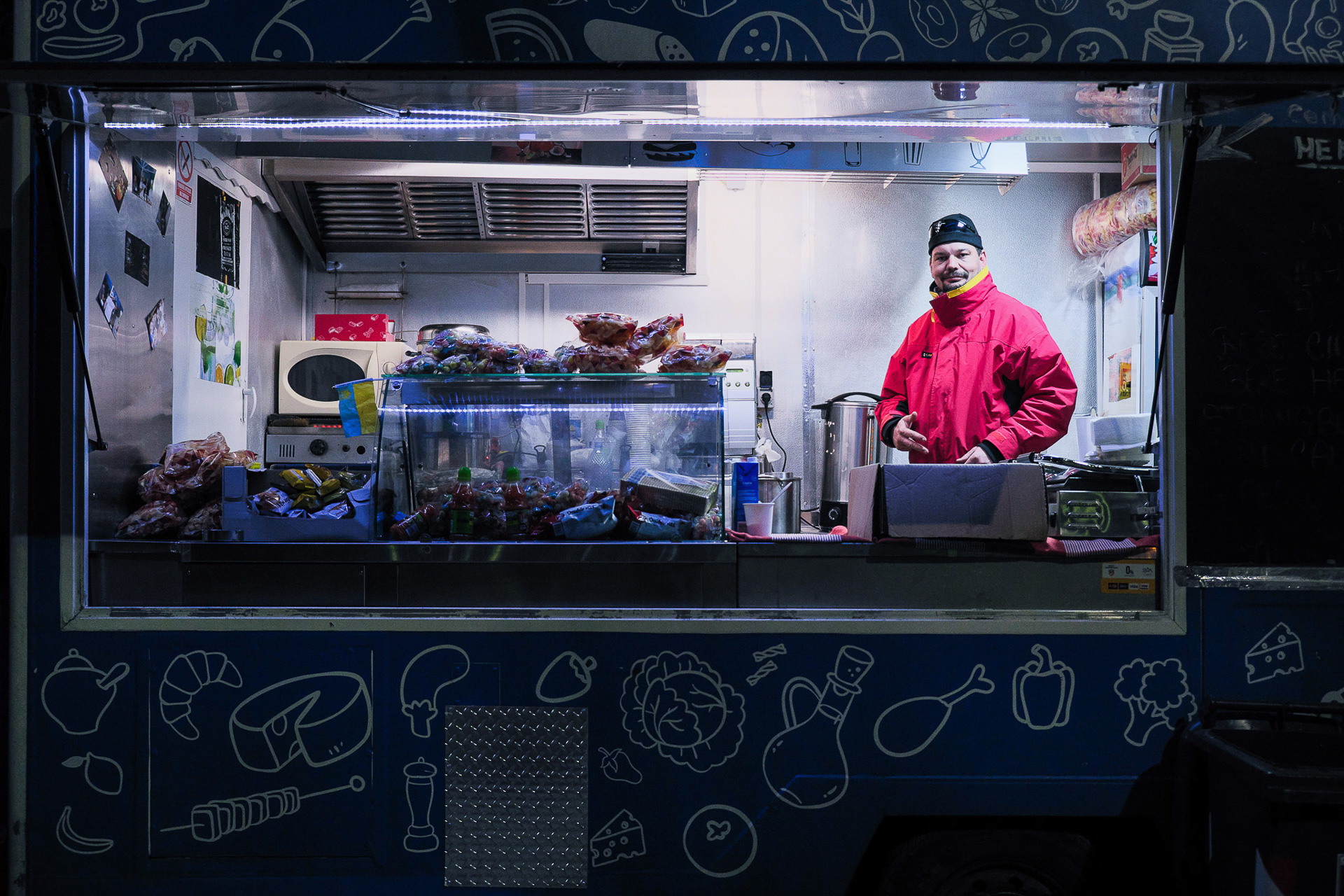
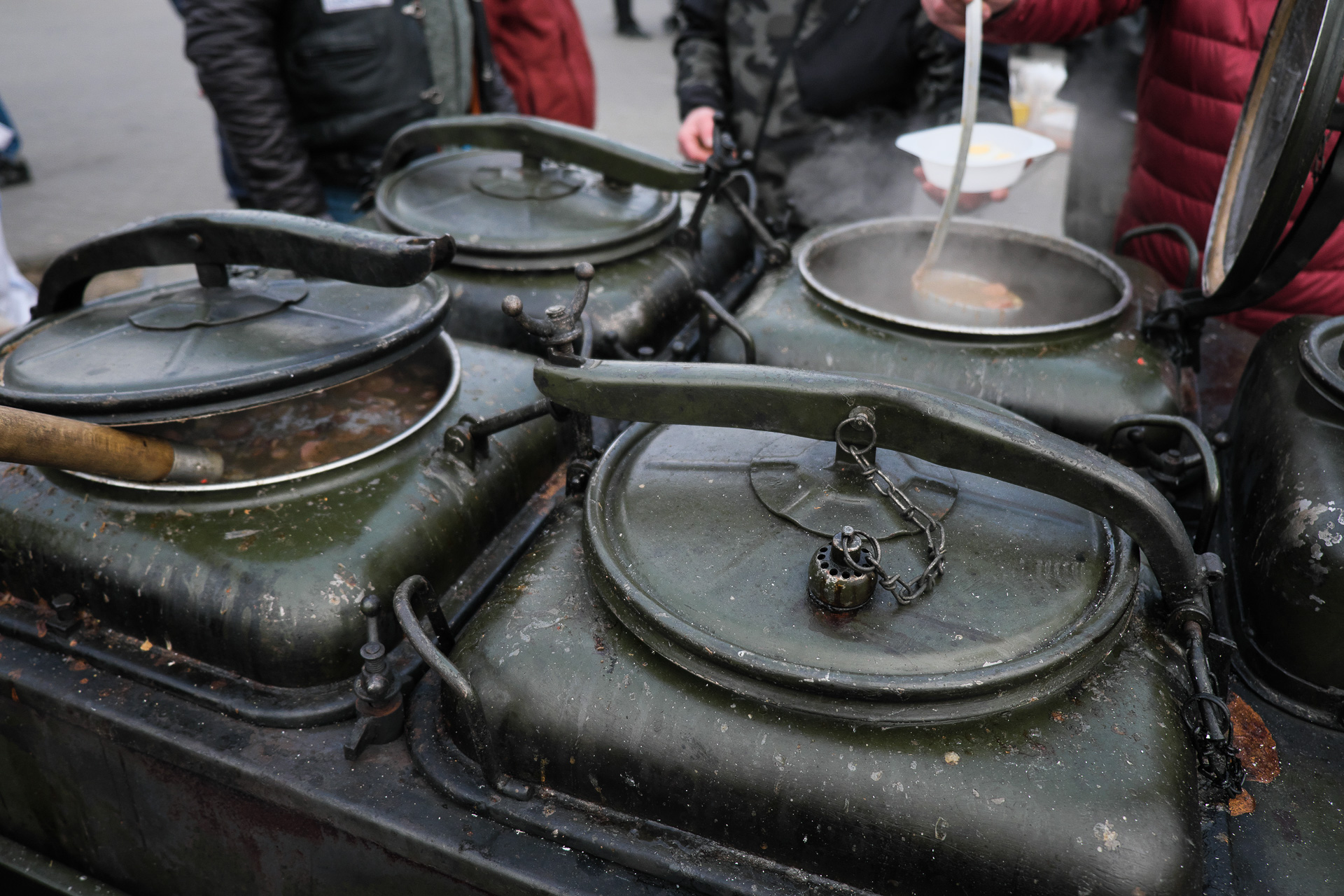
For this reason, we crossed four countries in four days, covering 1,600 km to capture a snapshot, observing the reaction of EU countries and the humanitarian response. Poland, Hungary, Slovakia and Romania were the first involved: countries that in recent years had not been particularly known for welcoming refugees from other wars. But this time, the humanitarian response was incredibly rapid and well organised. Public opinion was largely united in support.
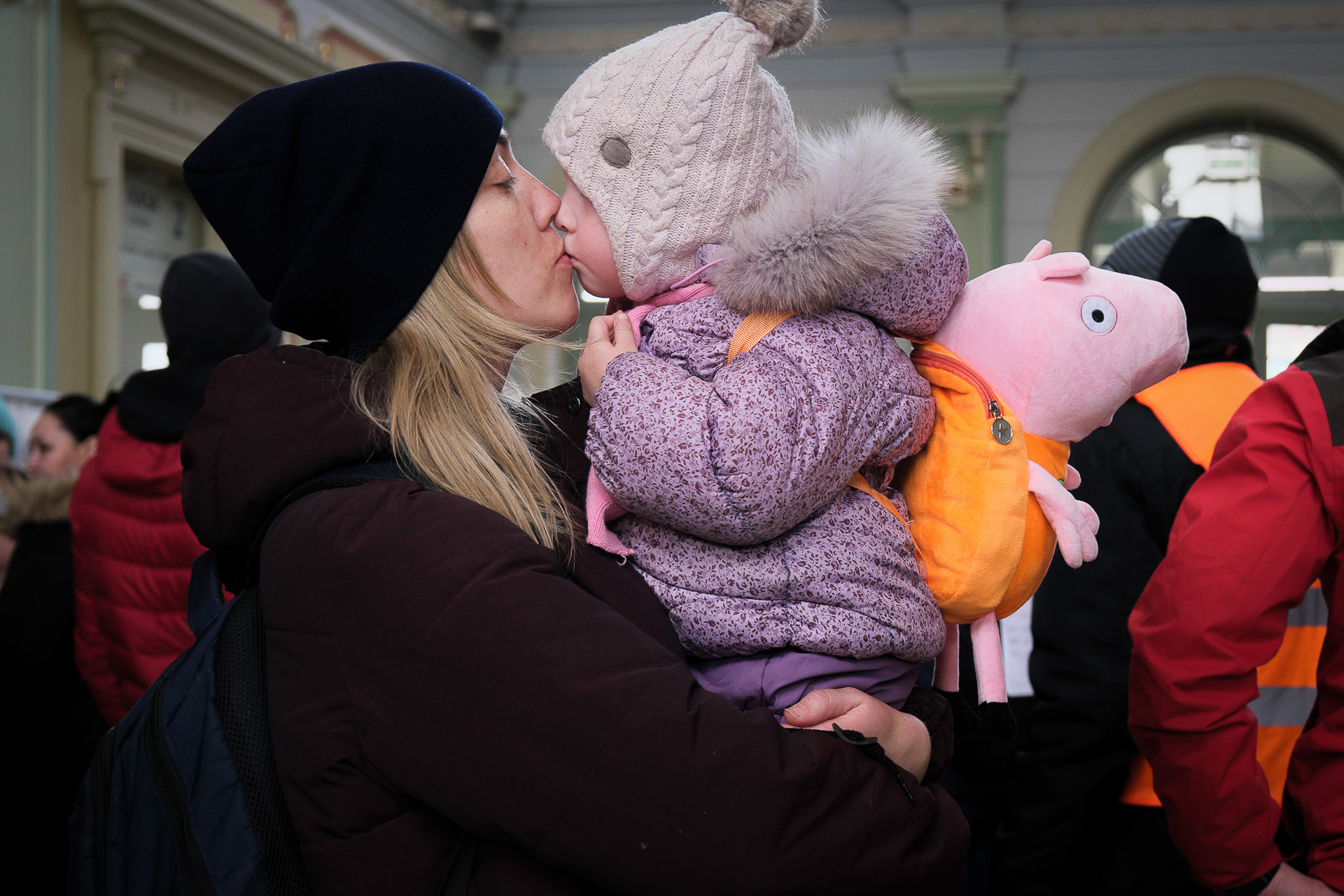
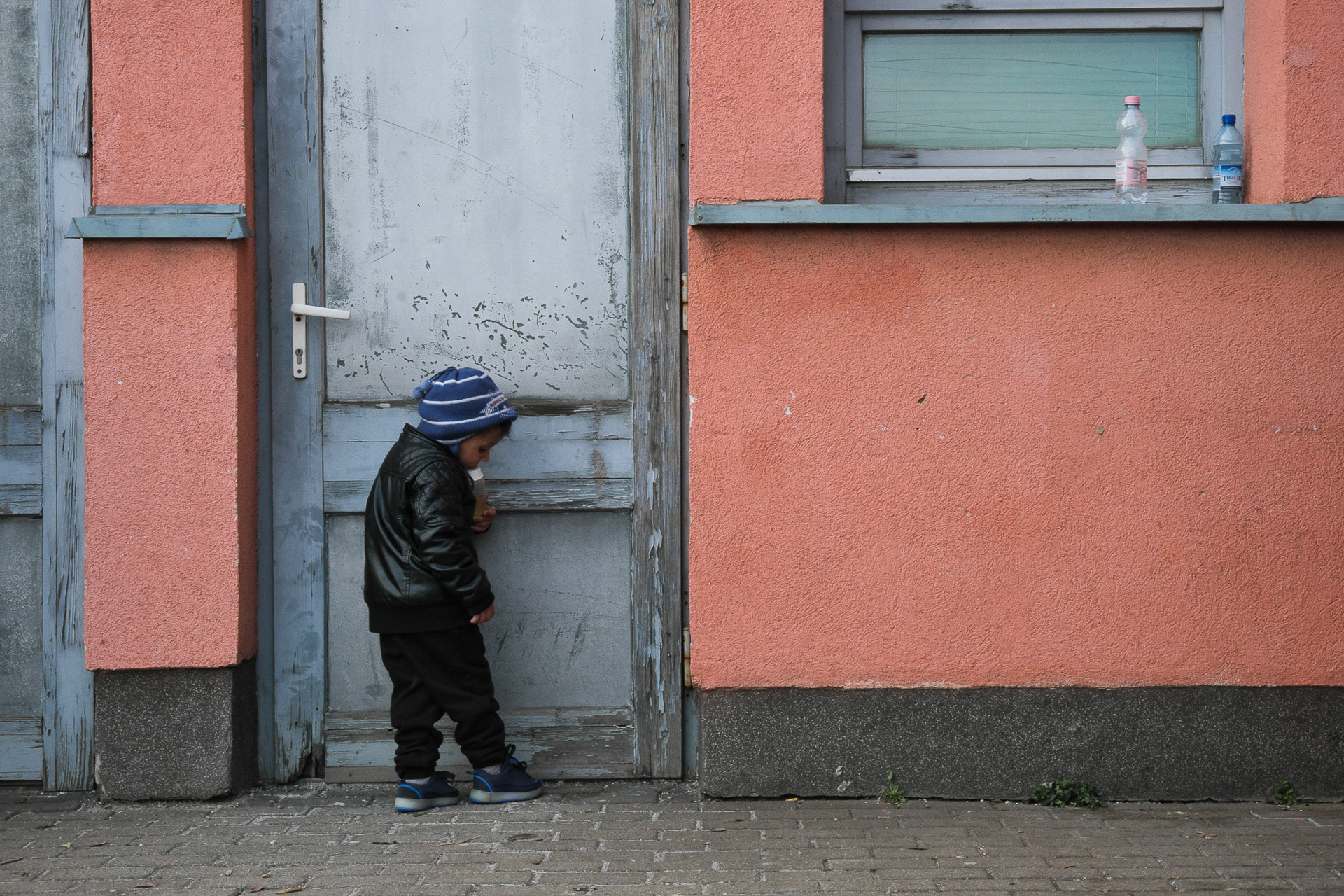
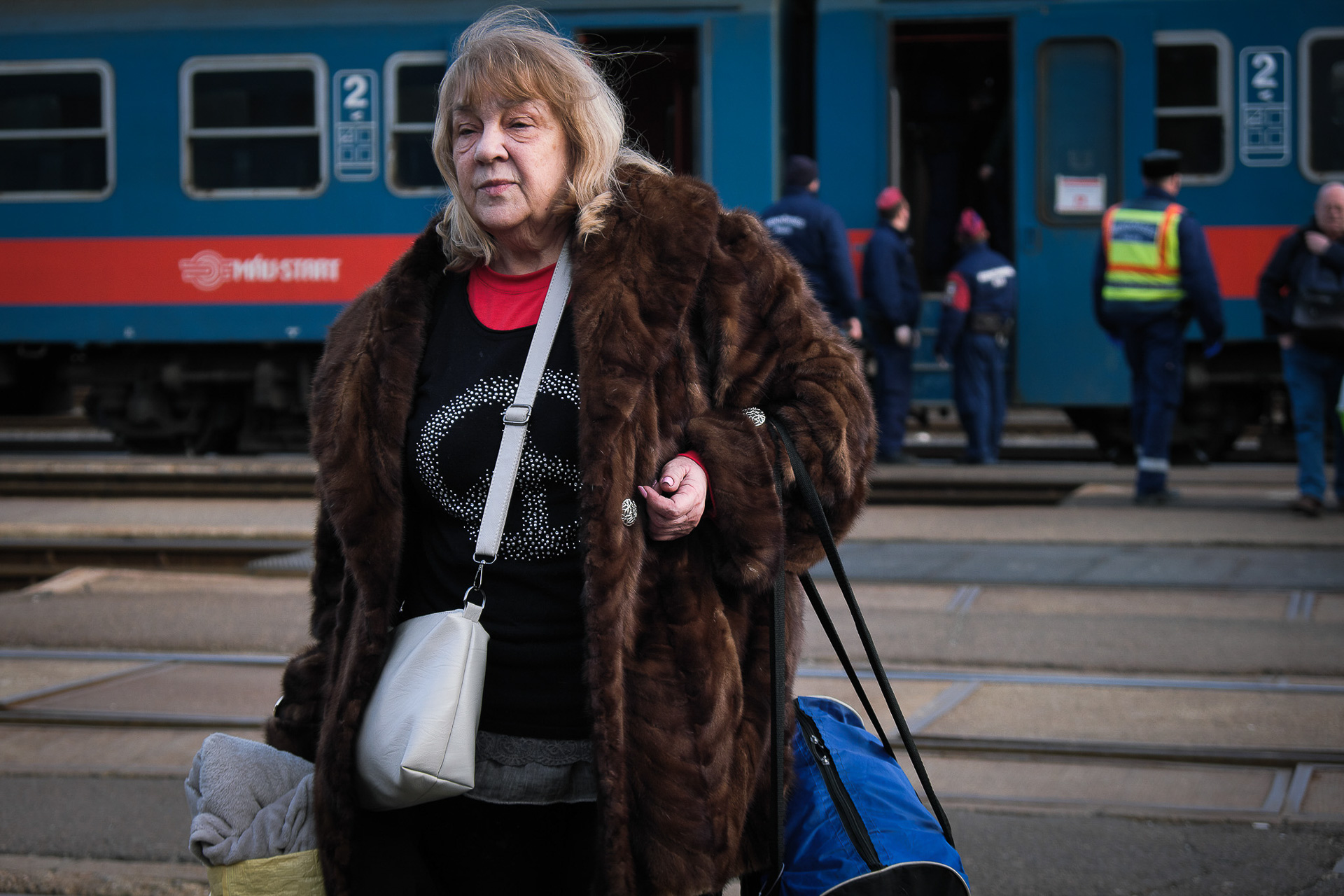
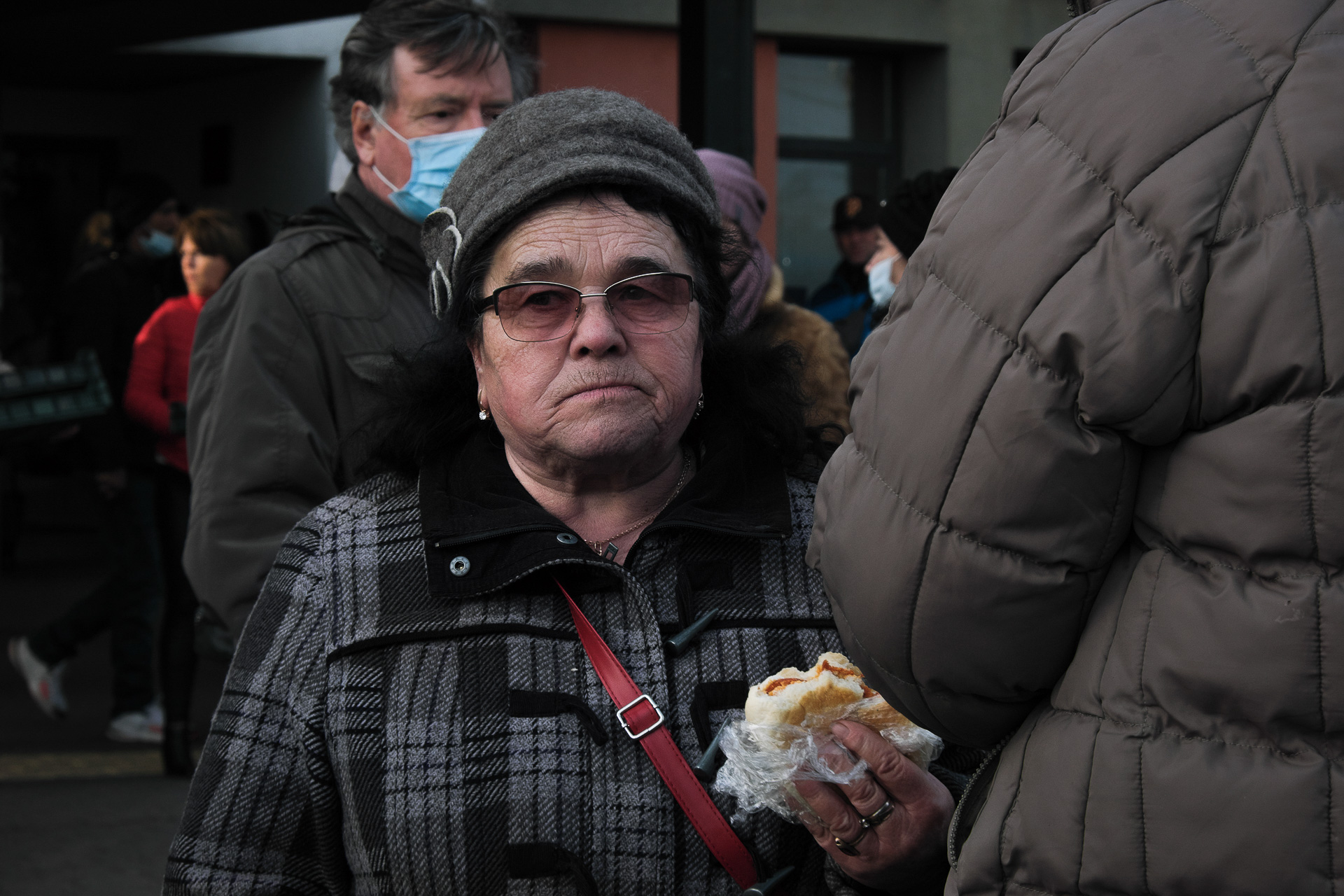
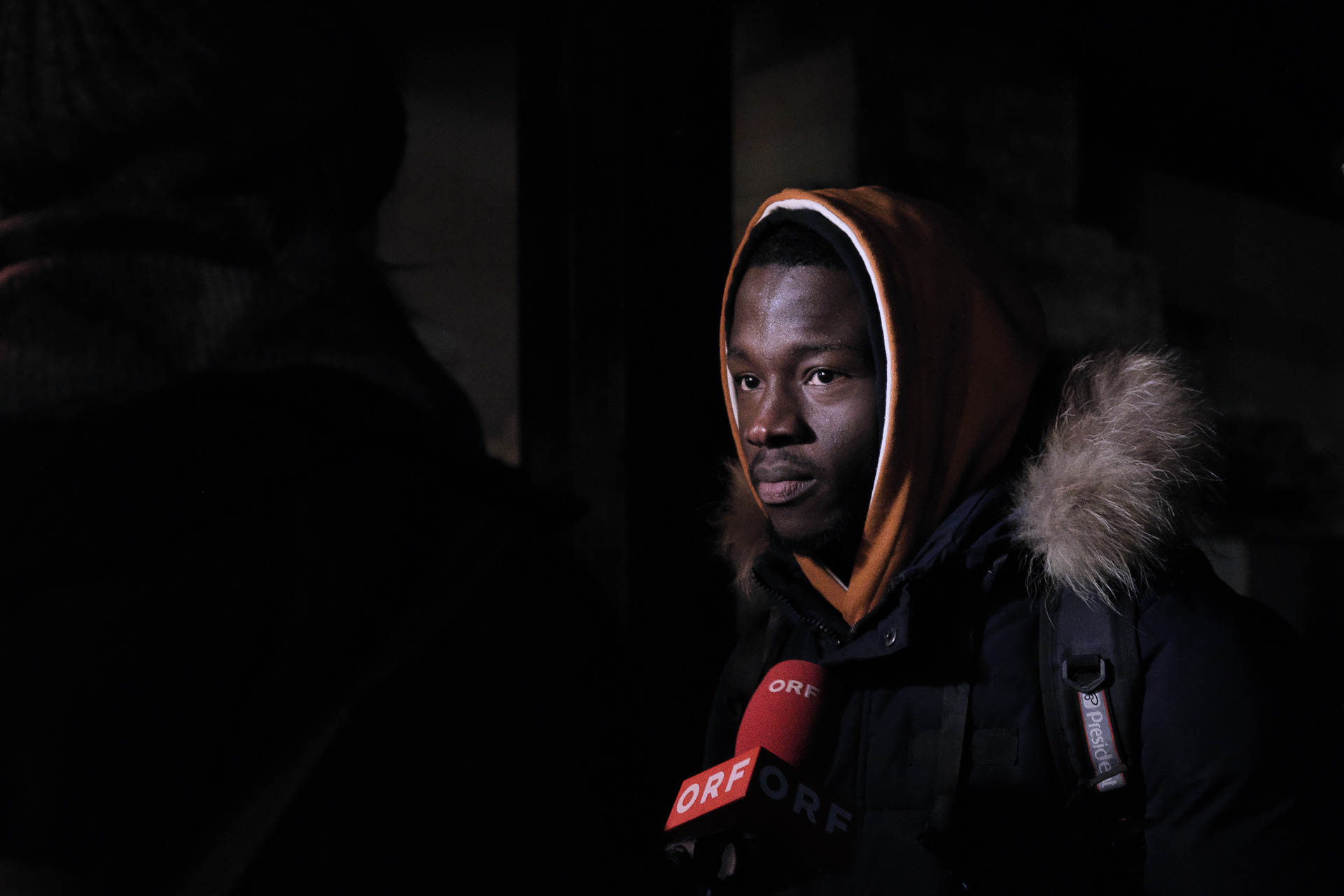
These refugees are not like other refugees. They cross borders at regular checkpoints, because no one has decided that their passports are no longer valid. They still wear their own clothes, the ones they chose and that represent them. They still look like us, and the few things they managed to bring with them resemble our own belongings: details of fashion, clothing, objects, pets. They have not been stripped of what defines them within our globalised culture, nor of their dignity or self-determination. They are still human, like us. They confront us with the idea that this could truly happen to anyone, so that the empathetic response of European society—dulled by a drift towards nationalism—reveals itself intact beneath fear.