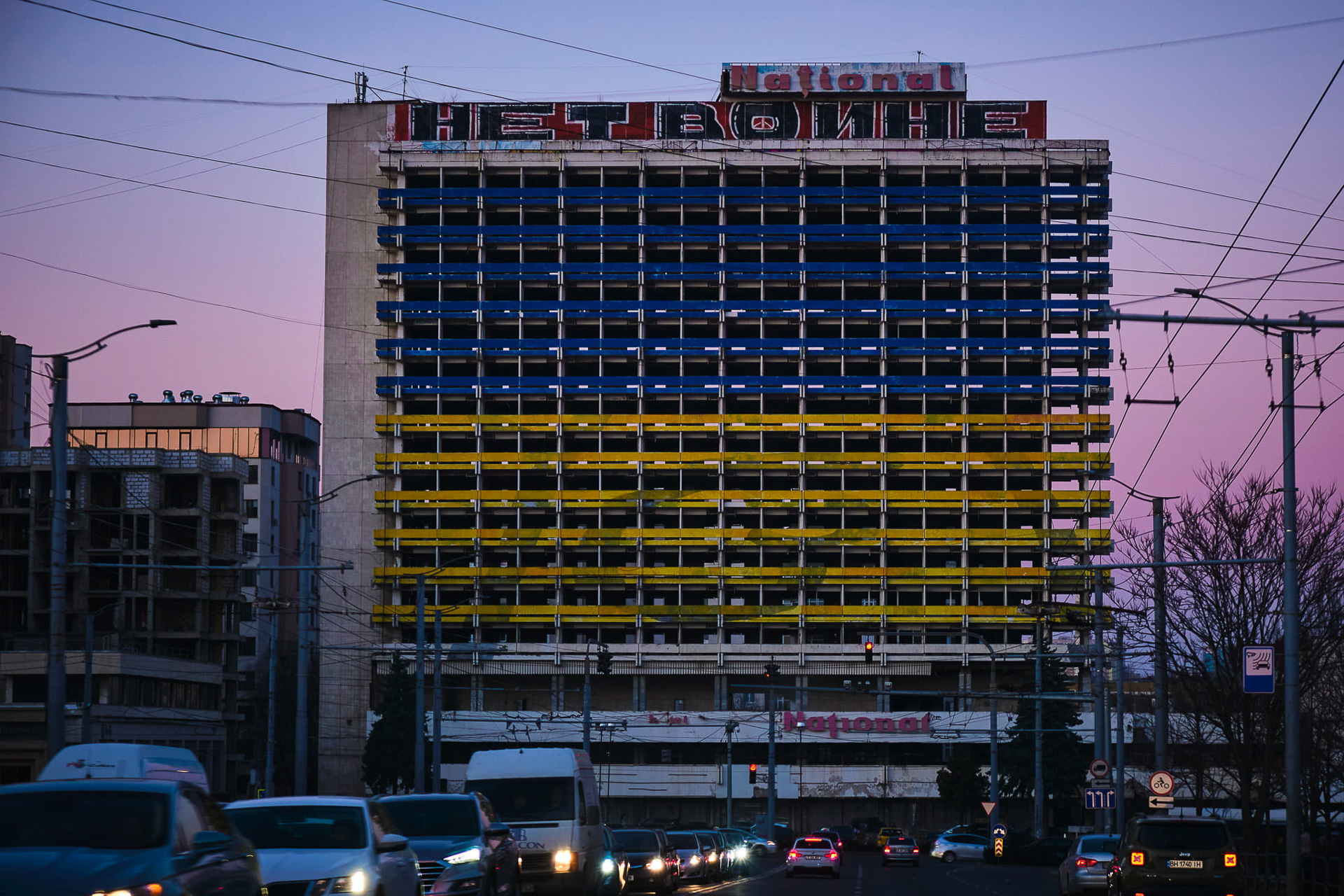
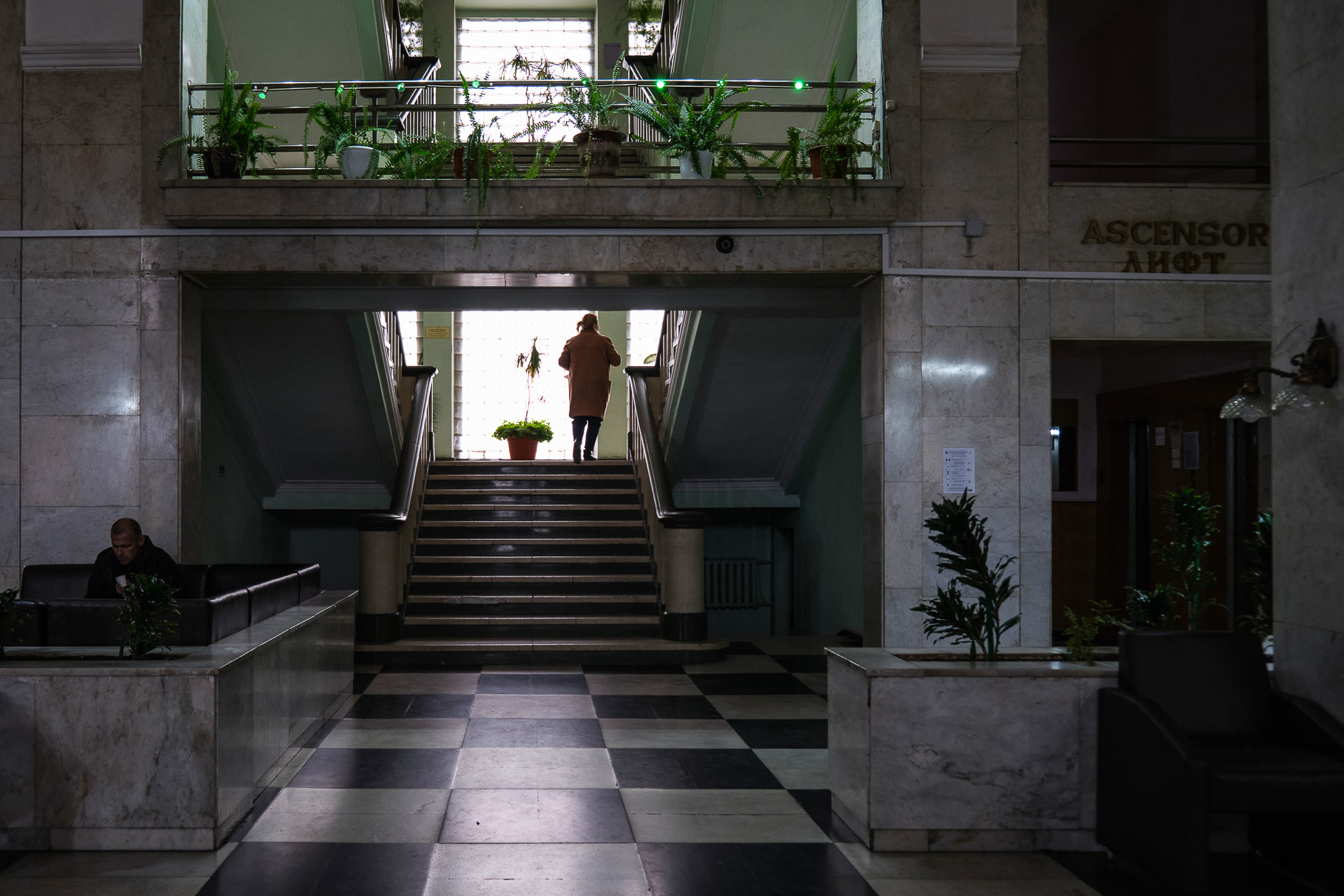
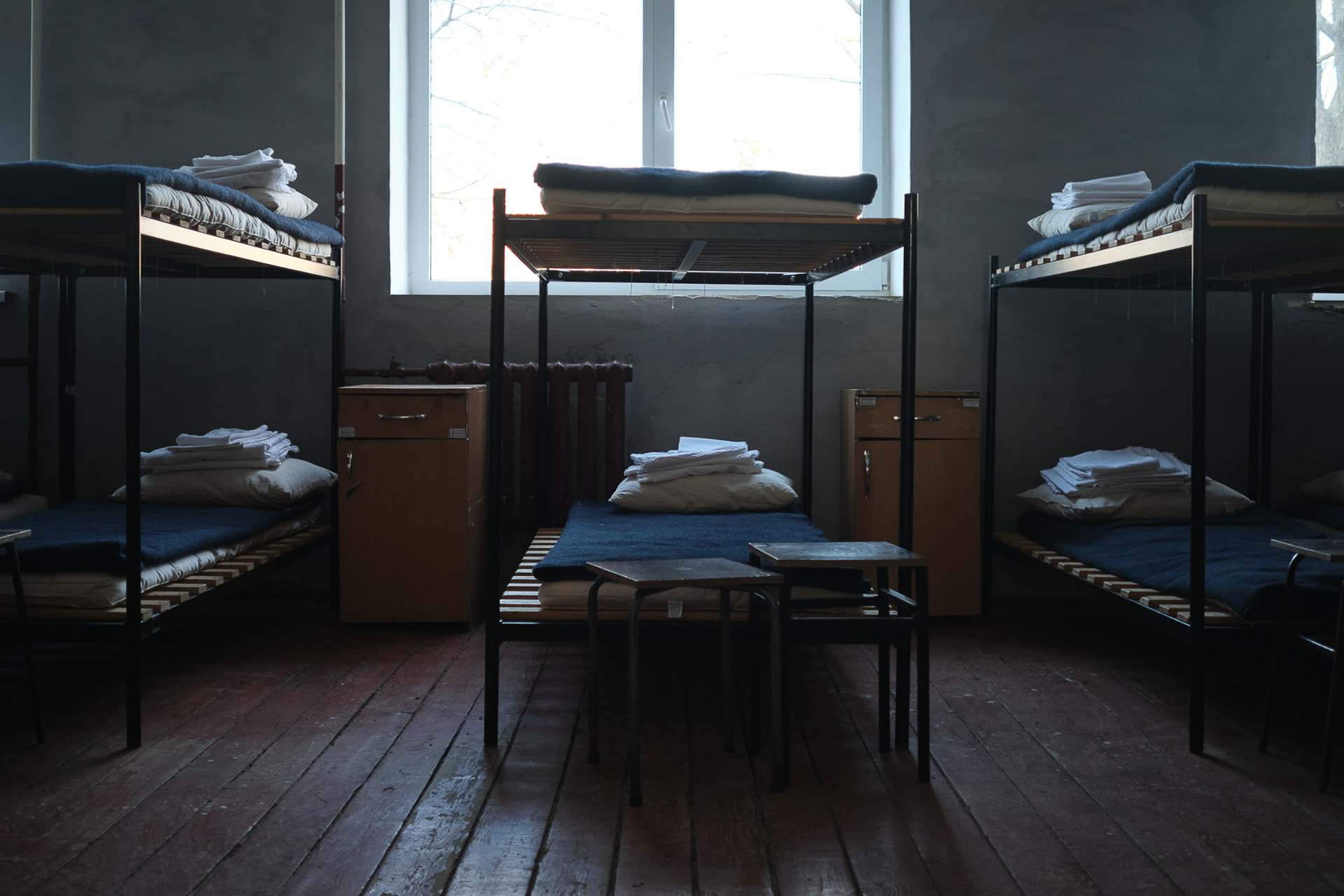
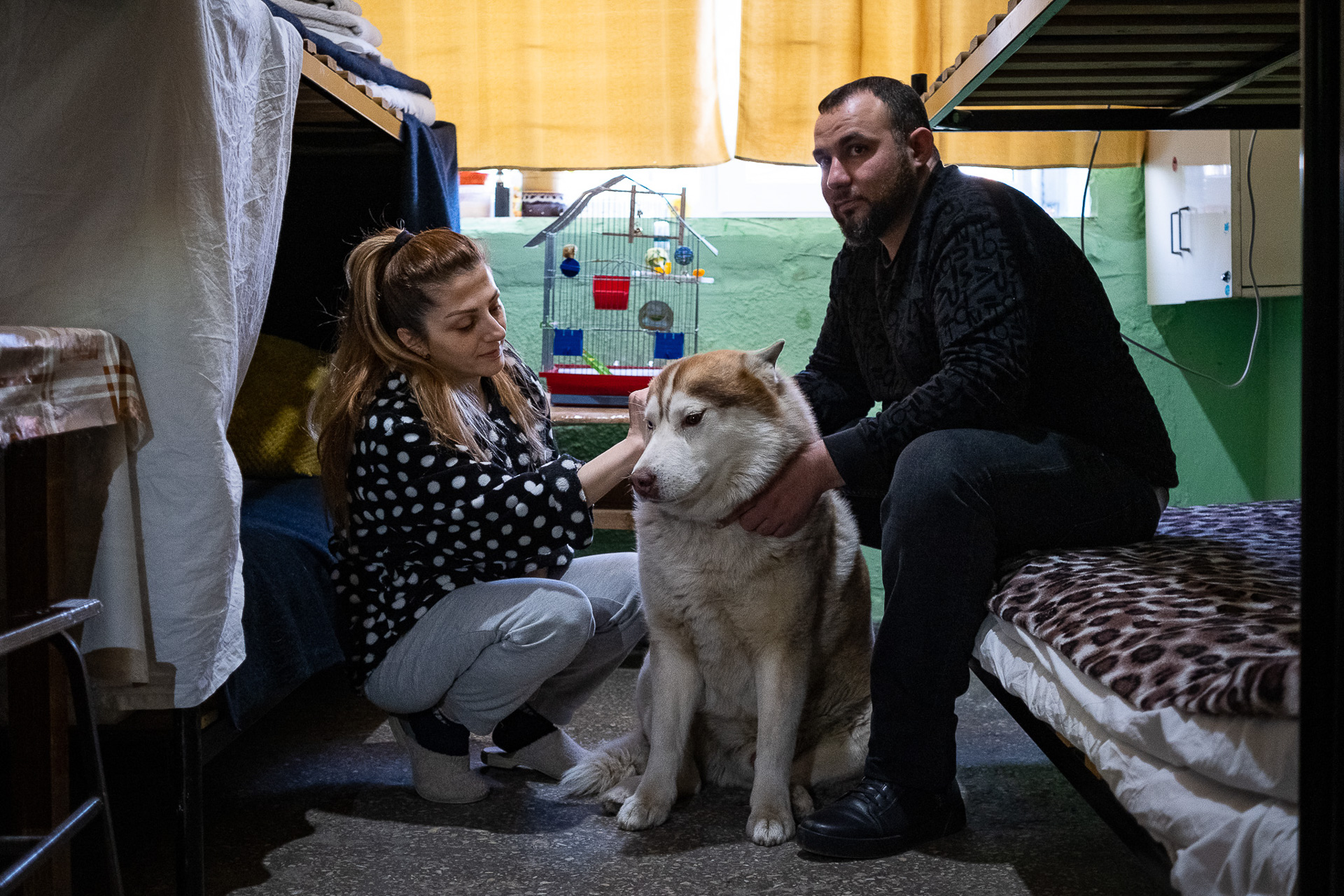
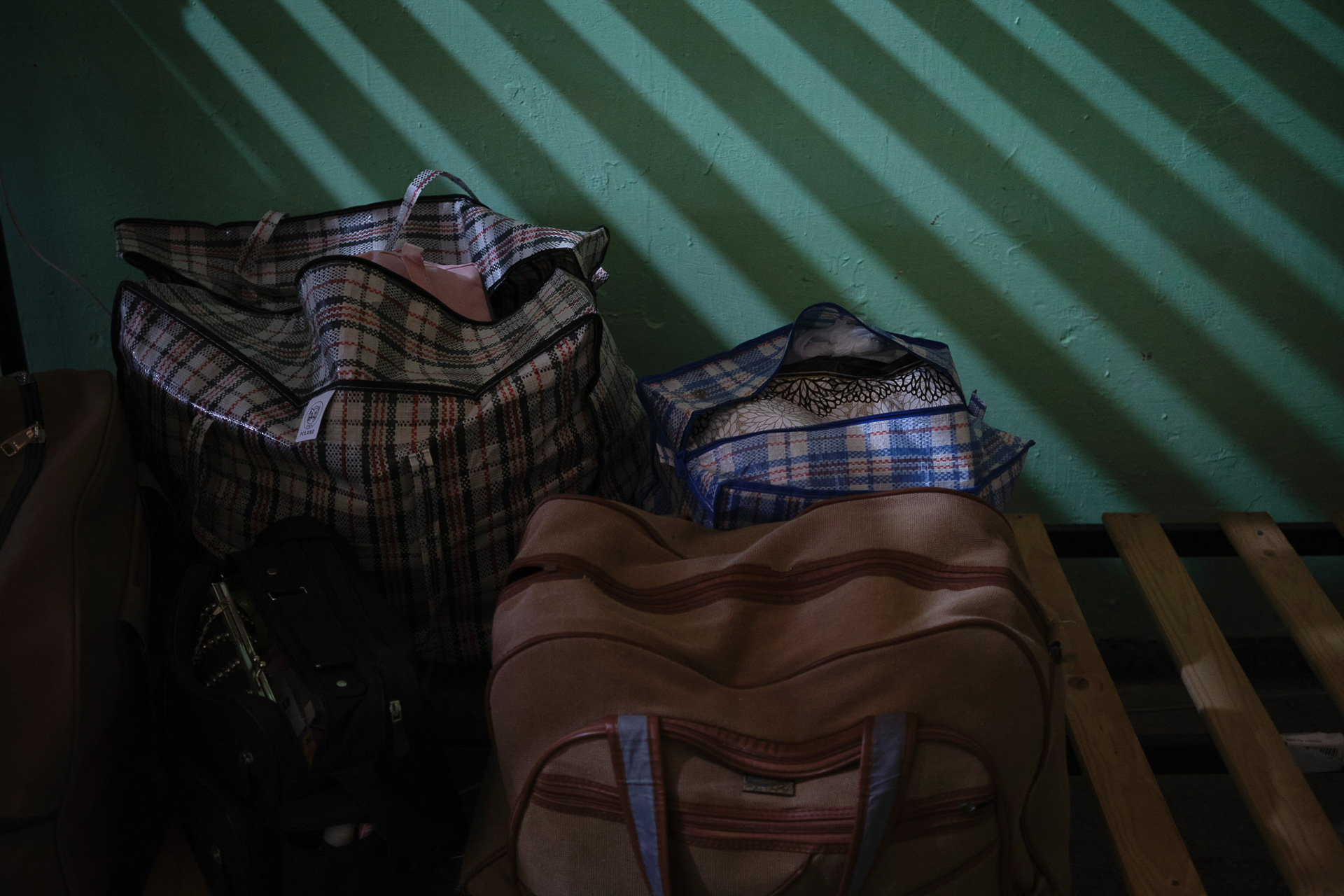
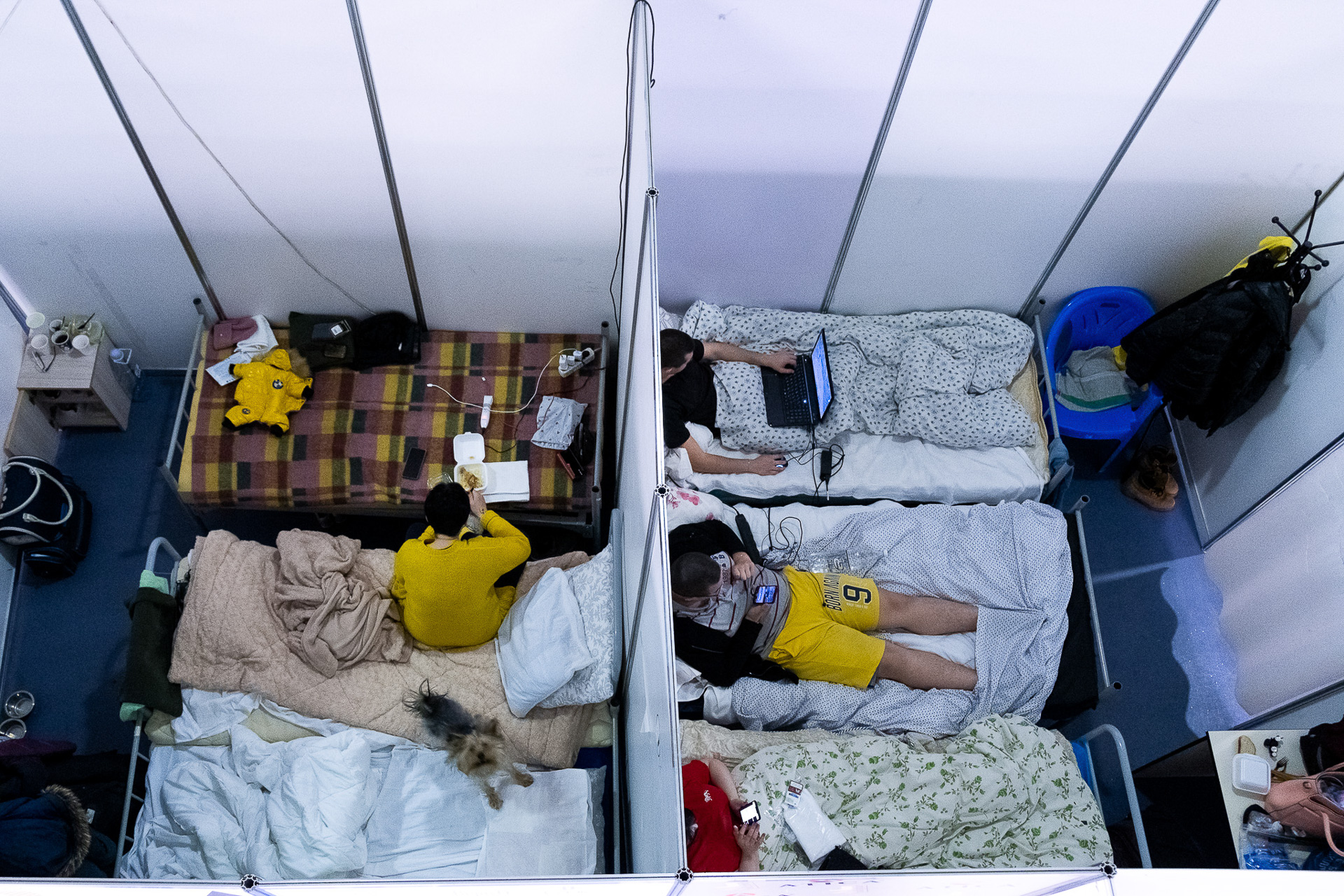
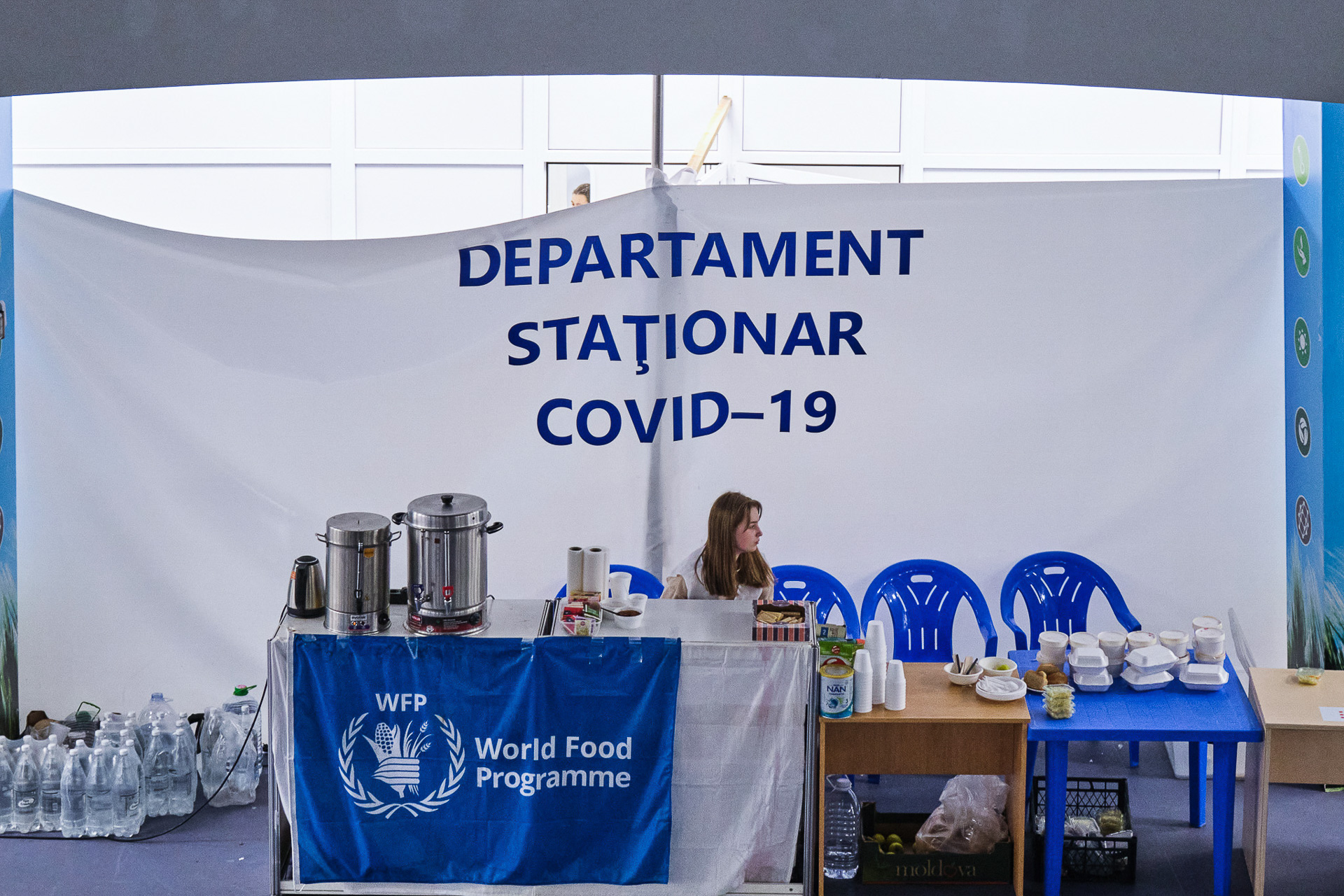
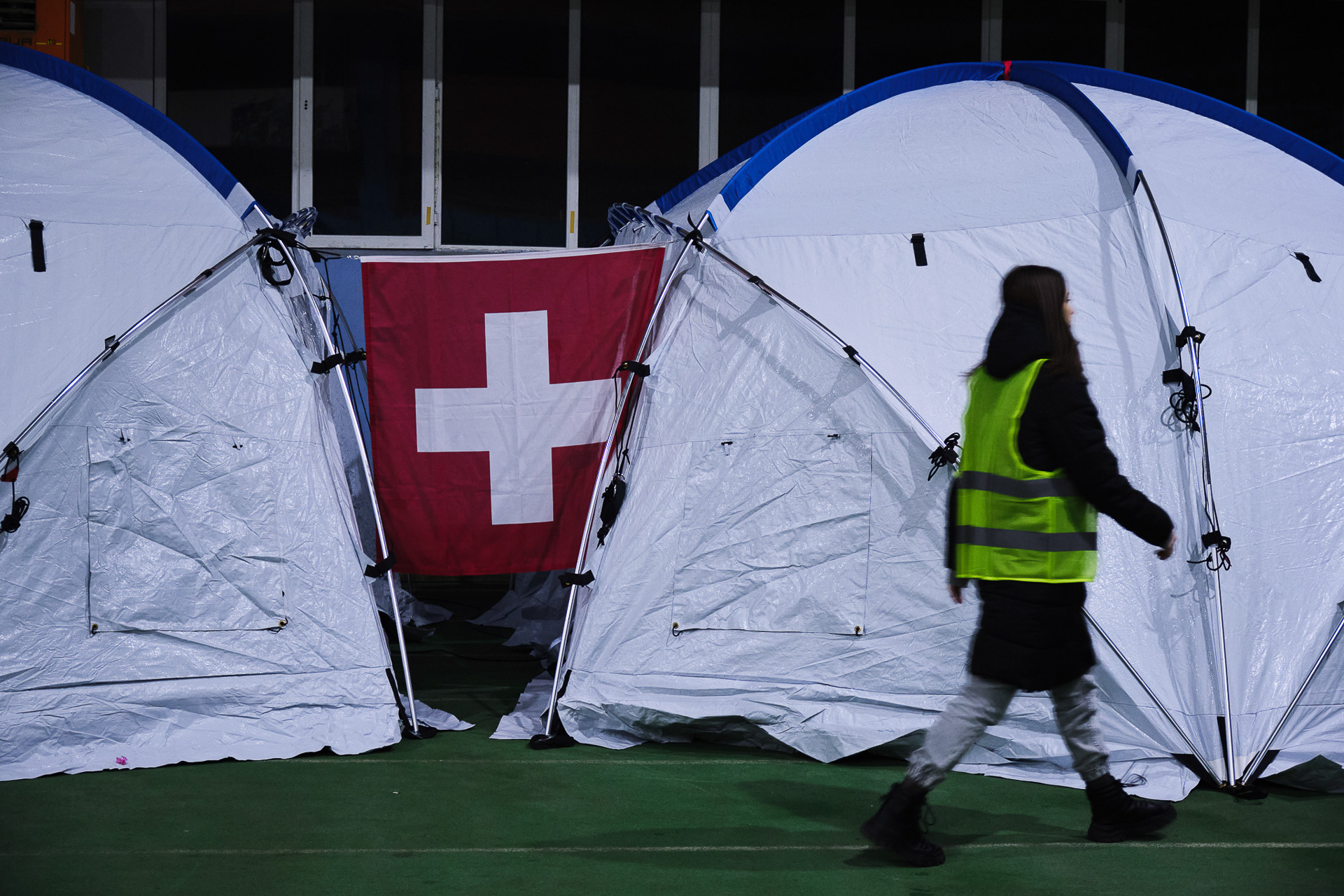
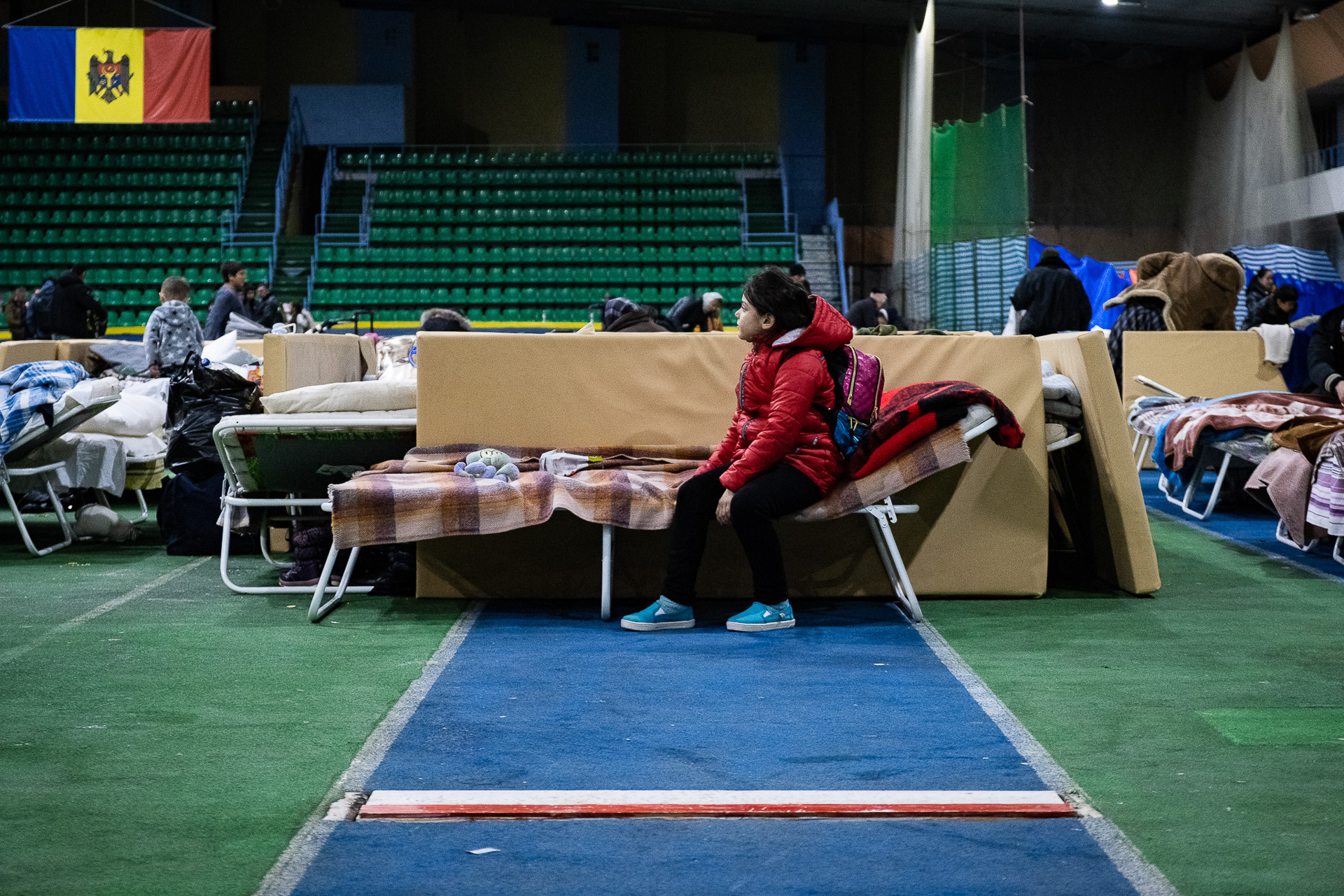
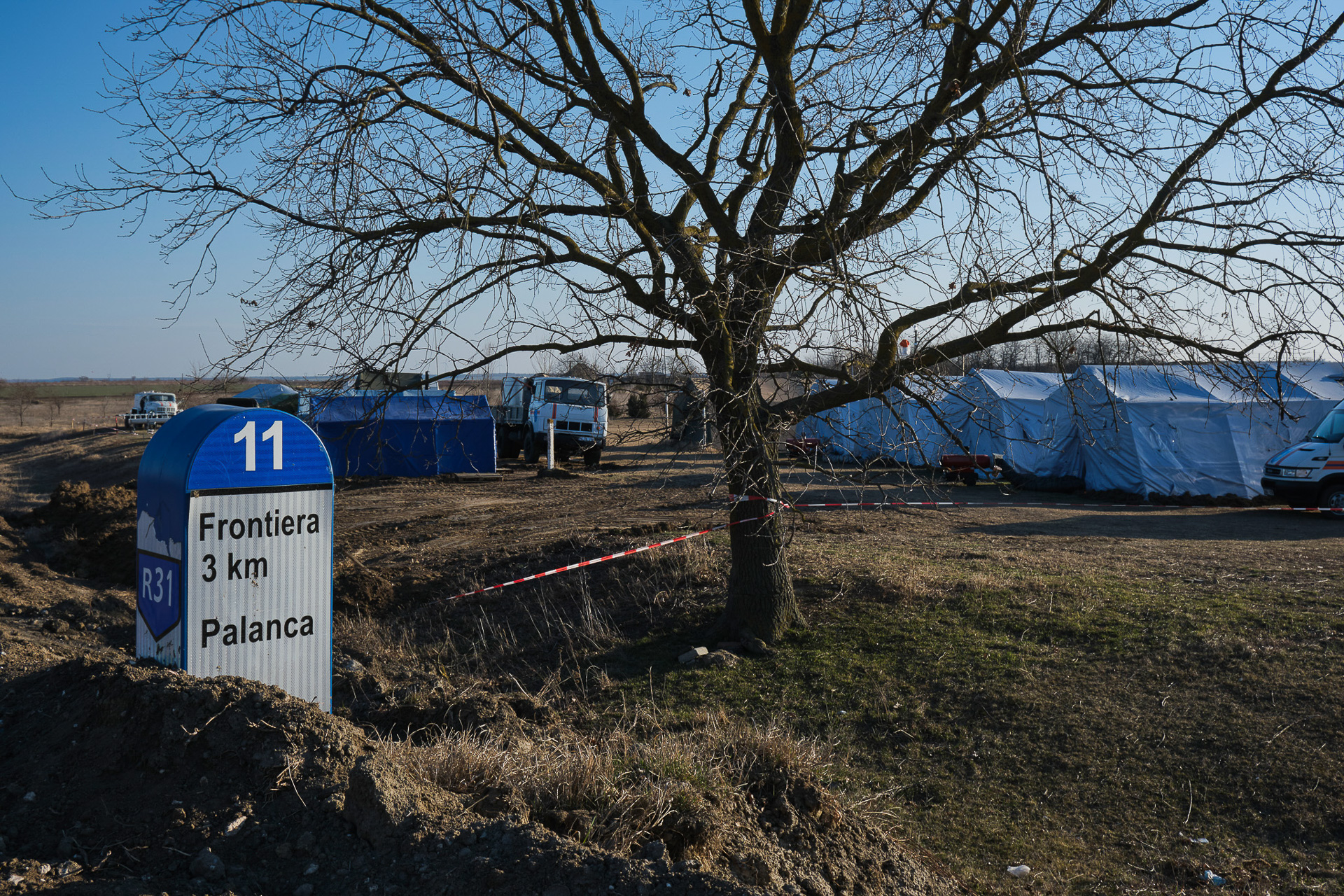
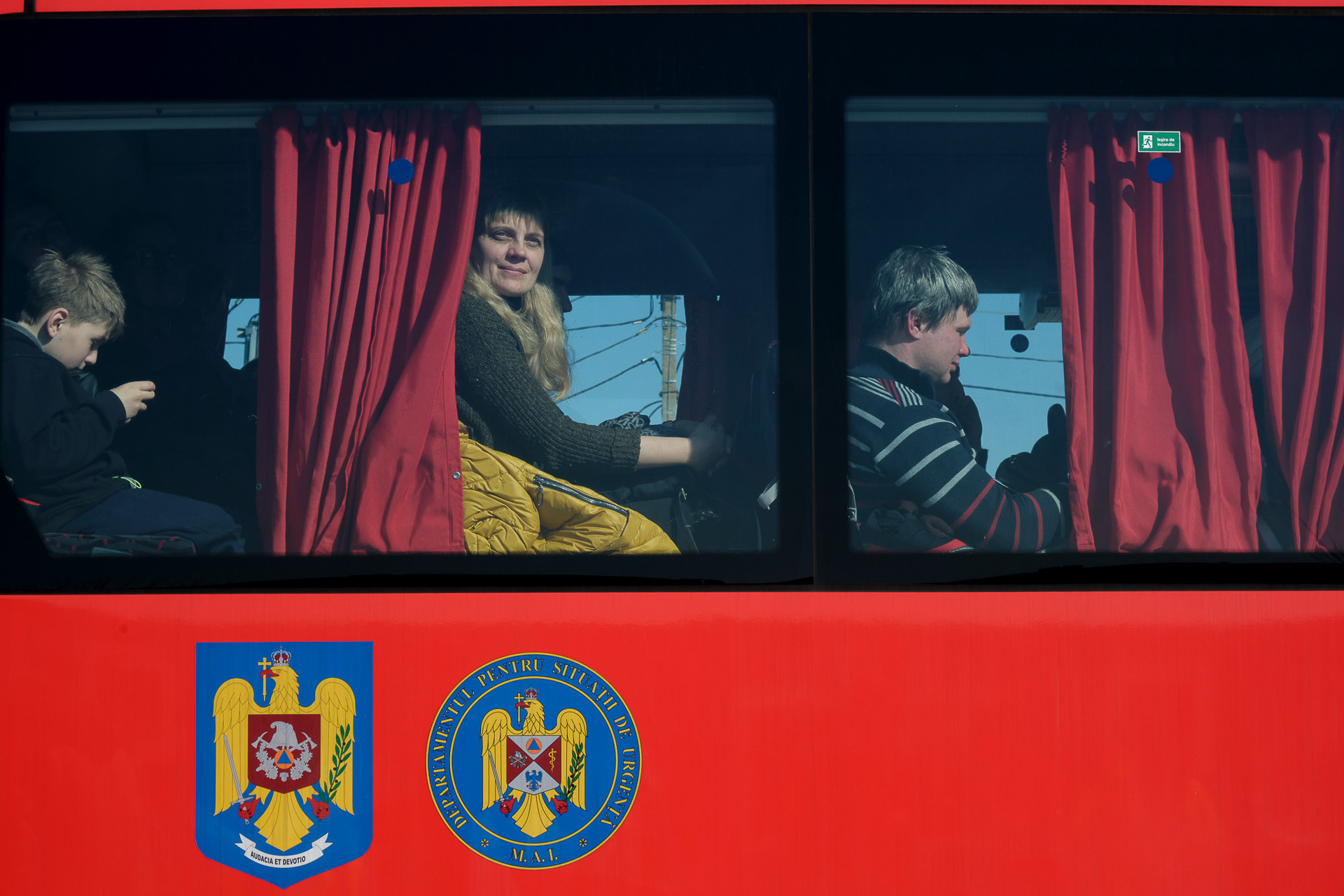
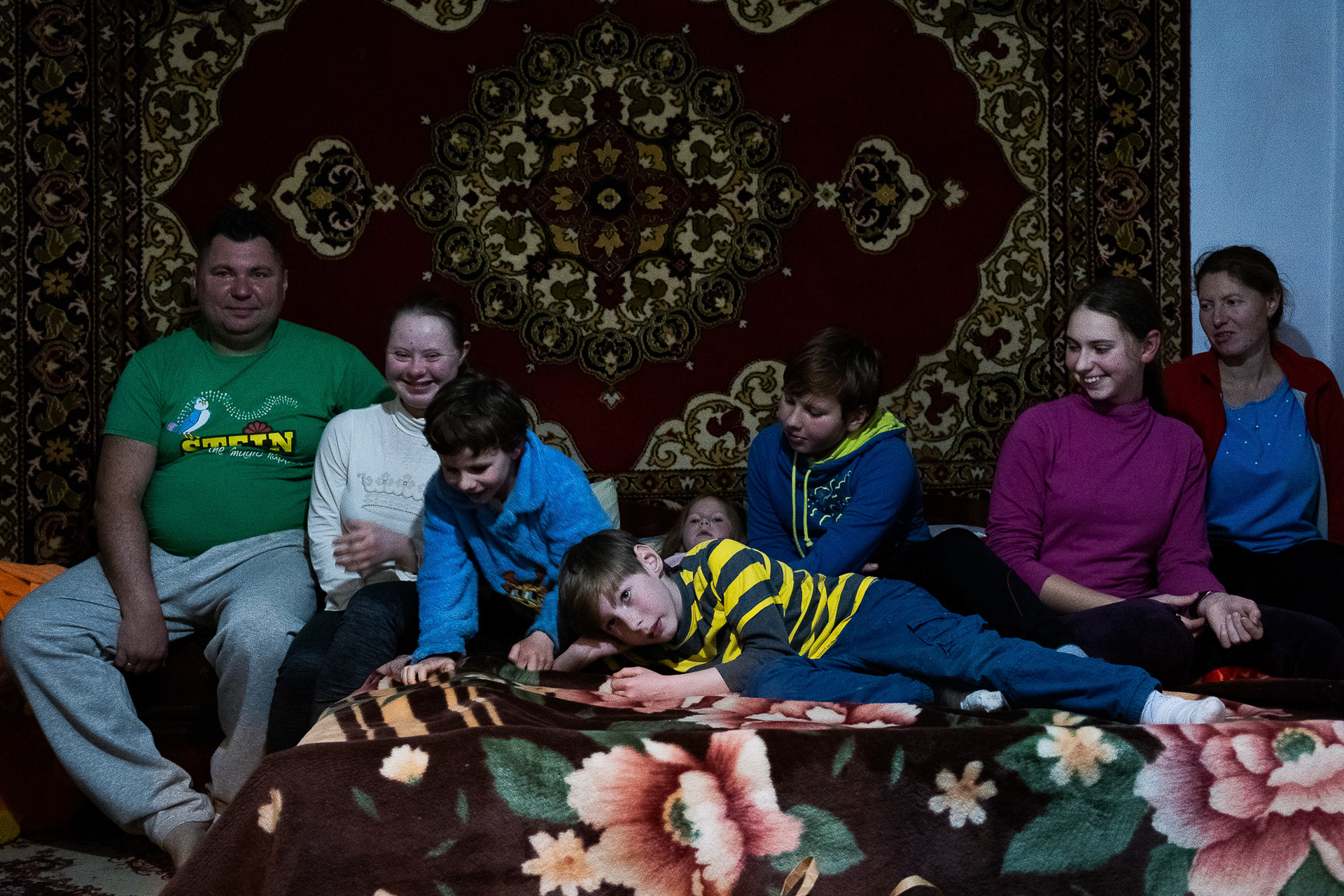
In the international arena shaped by Russia’s aggression against Ukraine, Moldova becomes a key point of observation through the presence of refugees. A former Soviet Socialist Republic, it is one of the poorest countries in Europe, landlocked between Ukraine and Romania. A flat rural landscape of vineyards and small villages, and a capital that looks west: Chișinău. A country of 2.5 million people which, according to UNHCR data, has received over 700,000 refugees since the beginning of the Russian invasion. They arrive mainly at the southern border of Palanca, just an hour from Odesa, and are quickly channelled towards the capital or onward to other European destinations. Although most transit is brief and facilitated by NGOs and institutions, and few remain in the country, the strain on Moldova is significant, and the humanitarian response is shaped by the fear of being next. Across the country, refugees are hosted in private homes, transit centres and temporary facilities, while Moldovans, aware of the fragility of their state, continue to offer support despite deep uncertainty about the future.