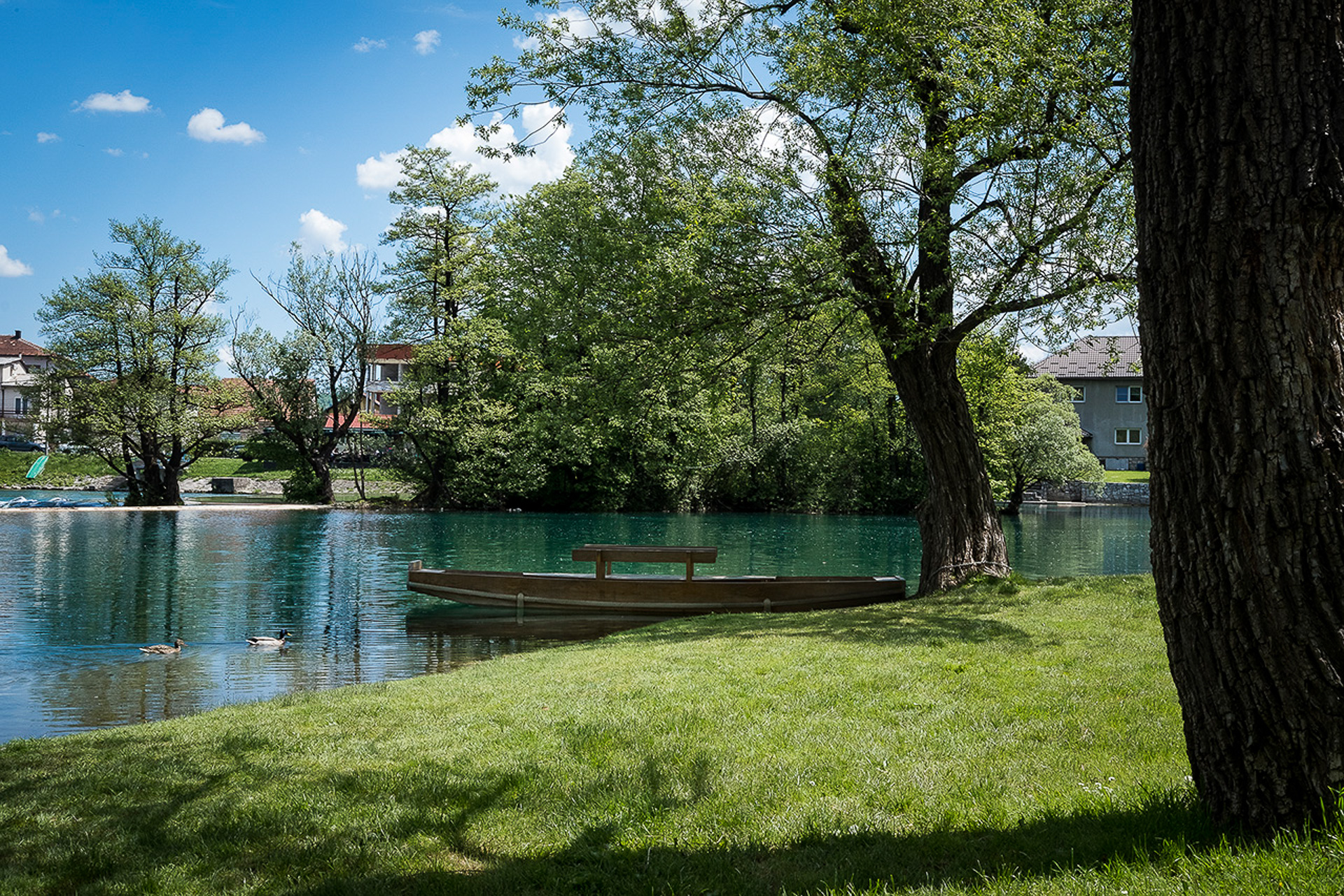
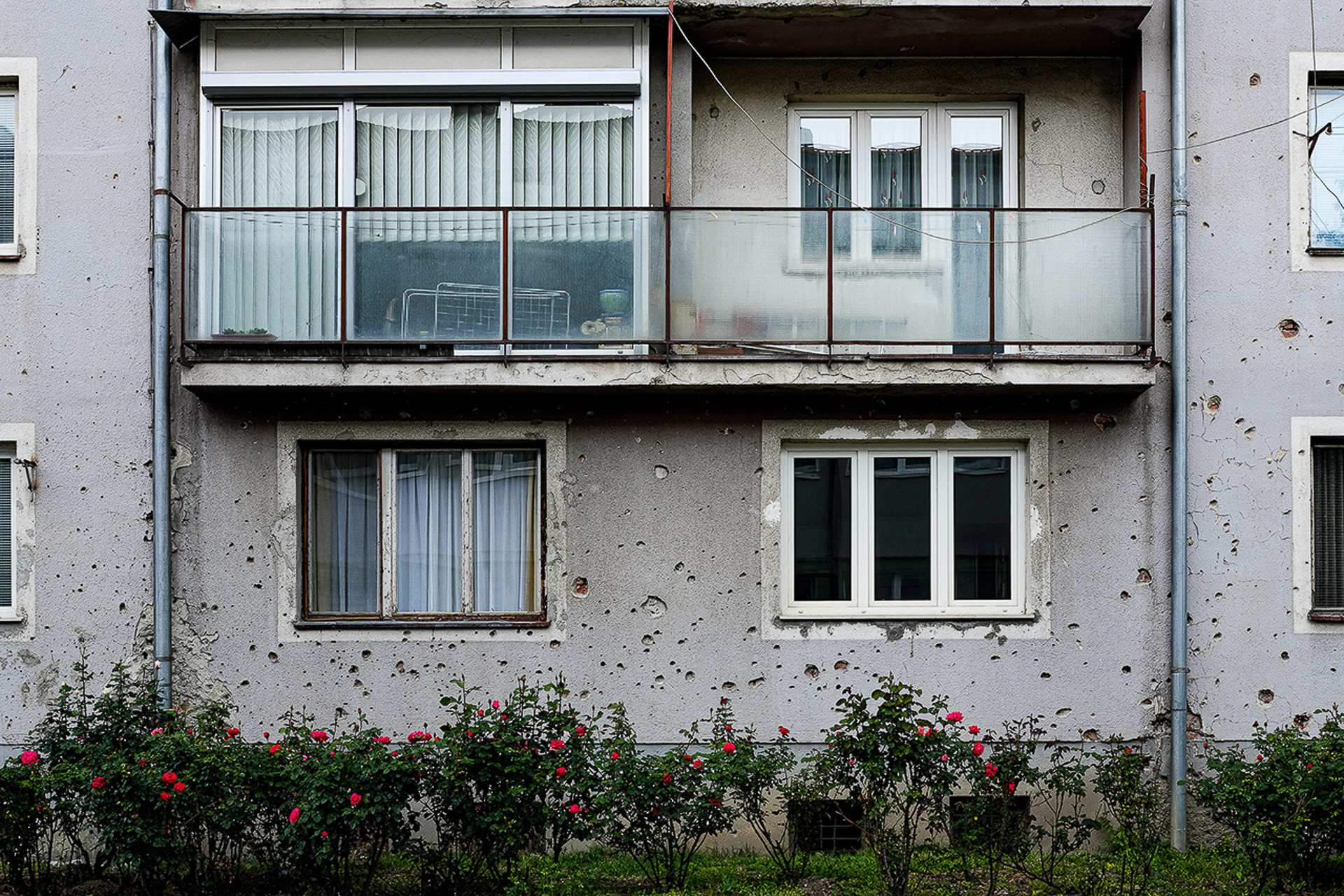
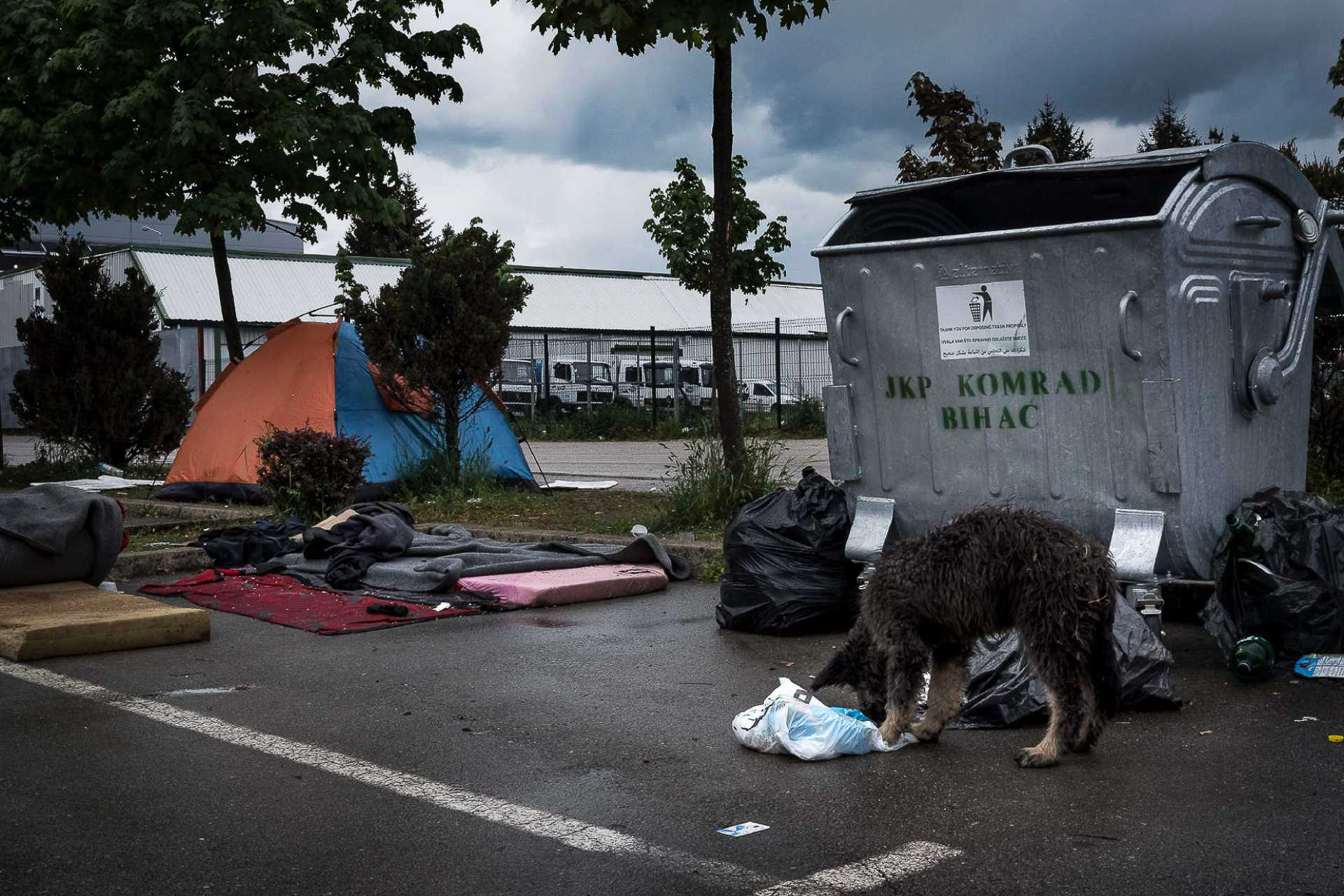
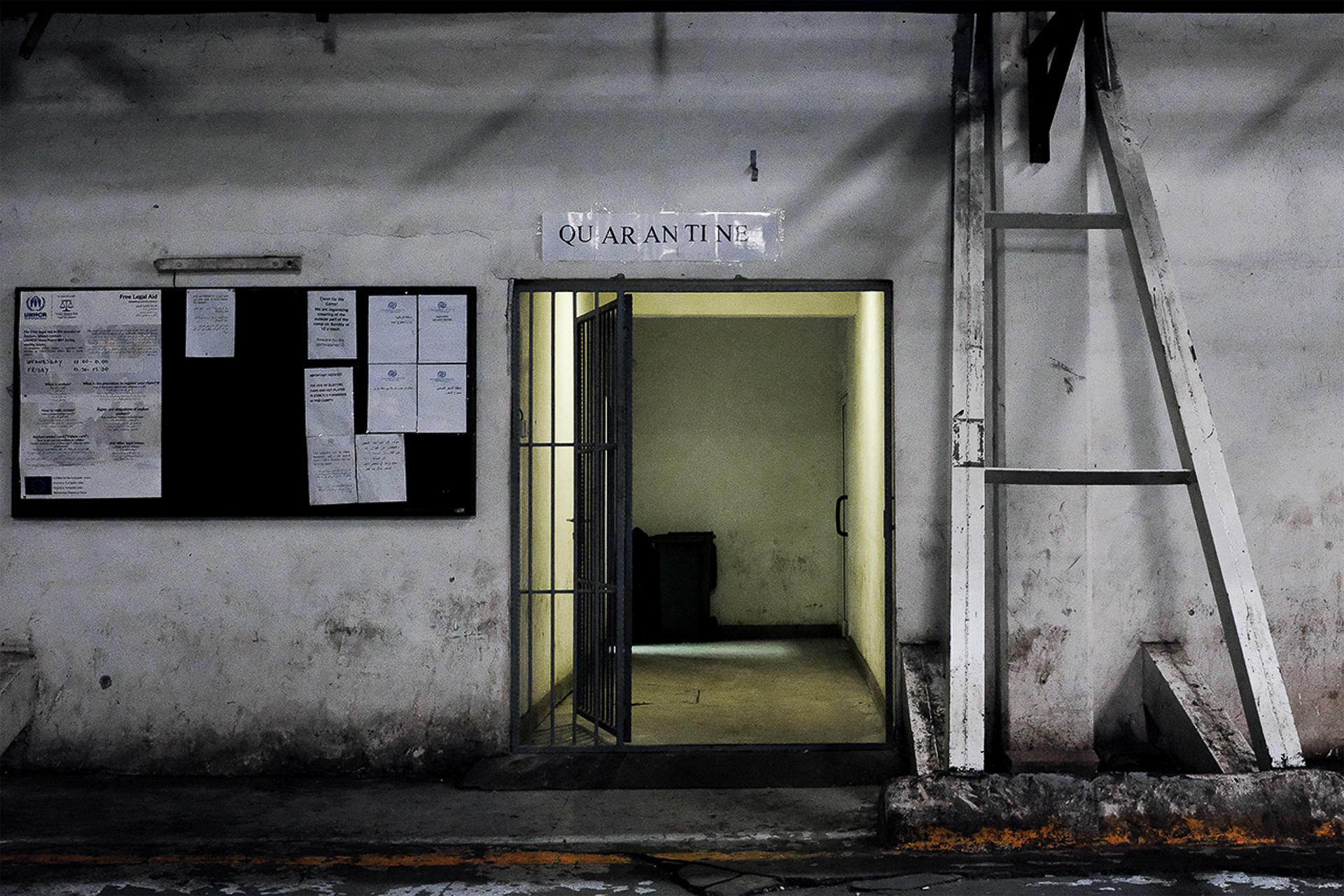
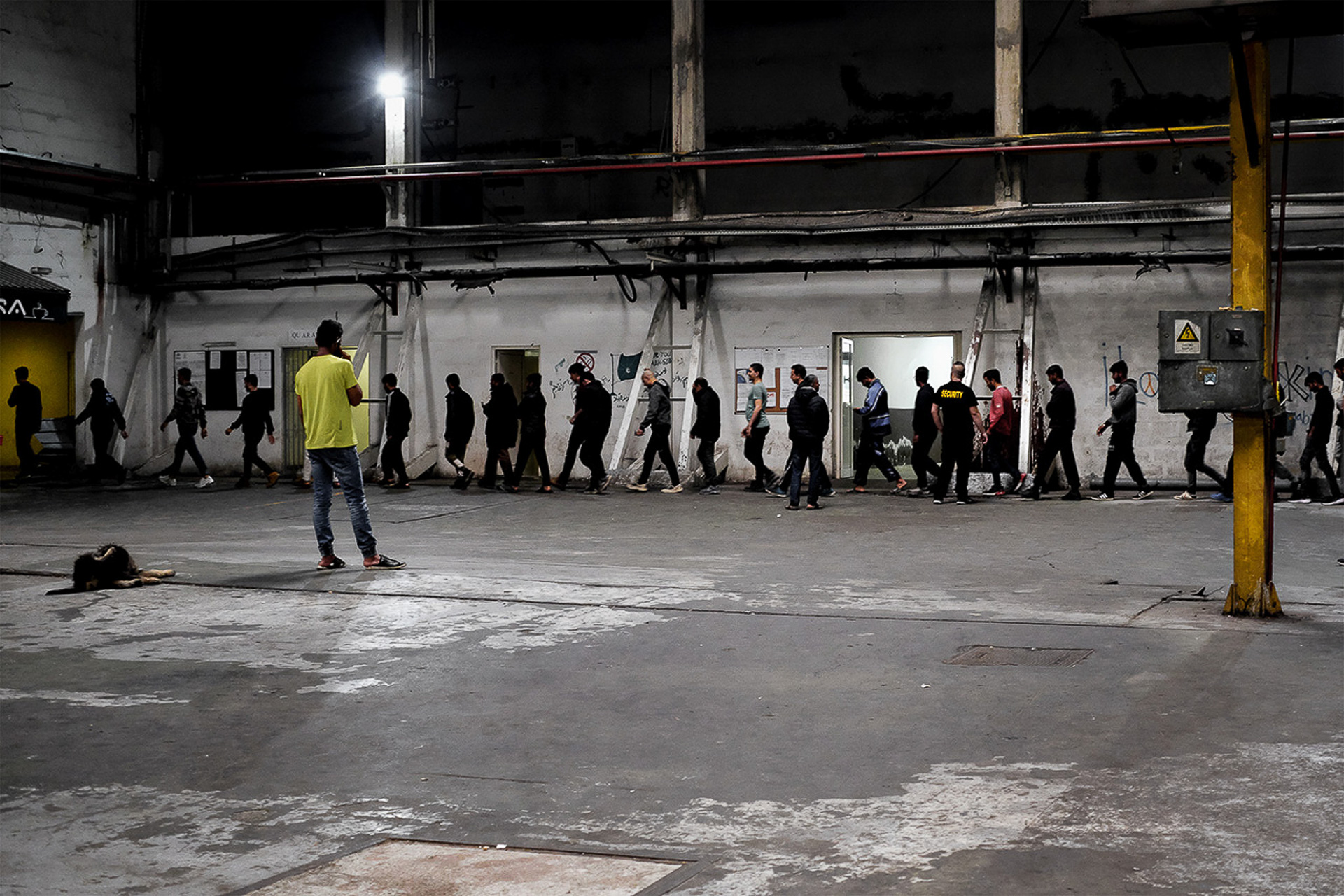
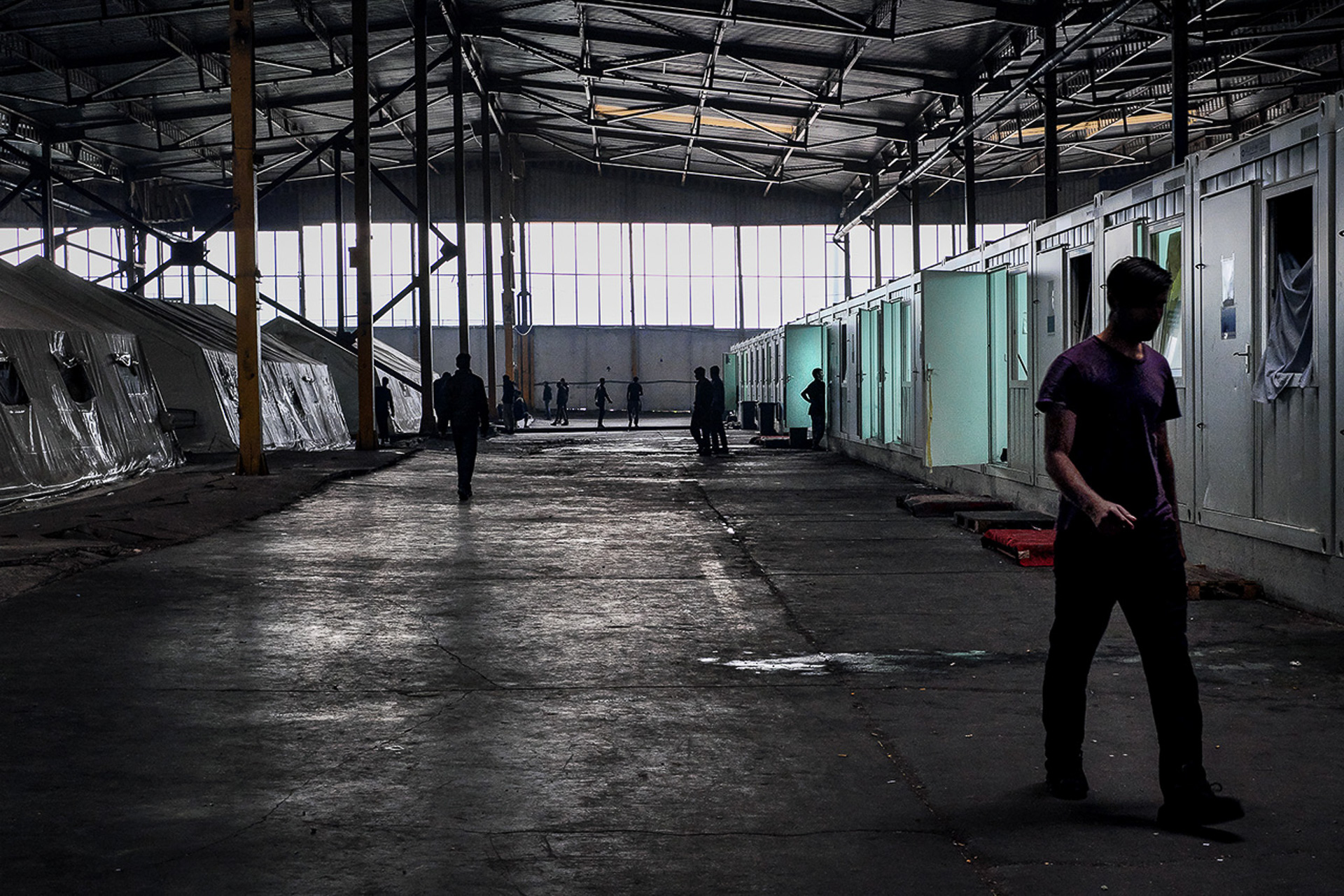
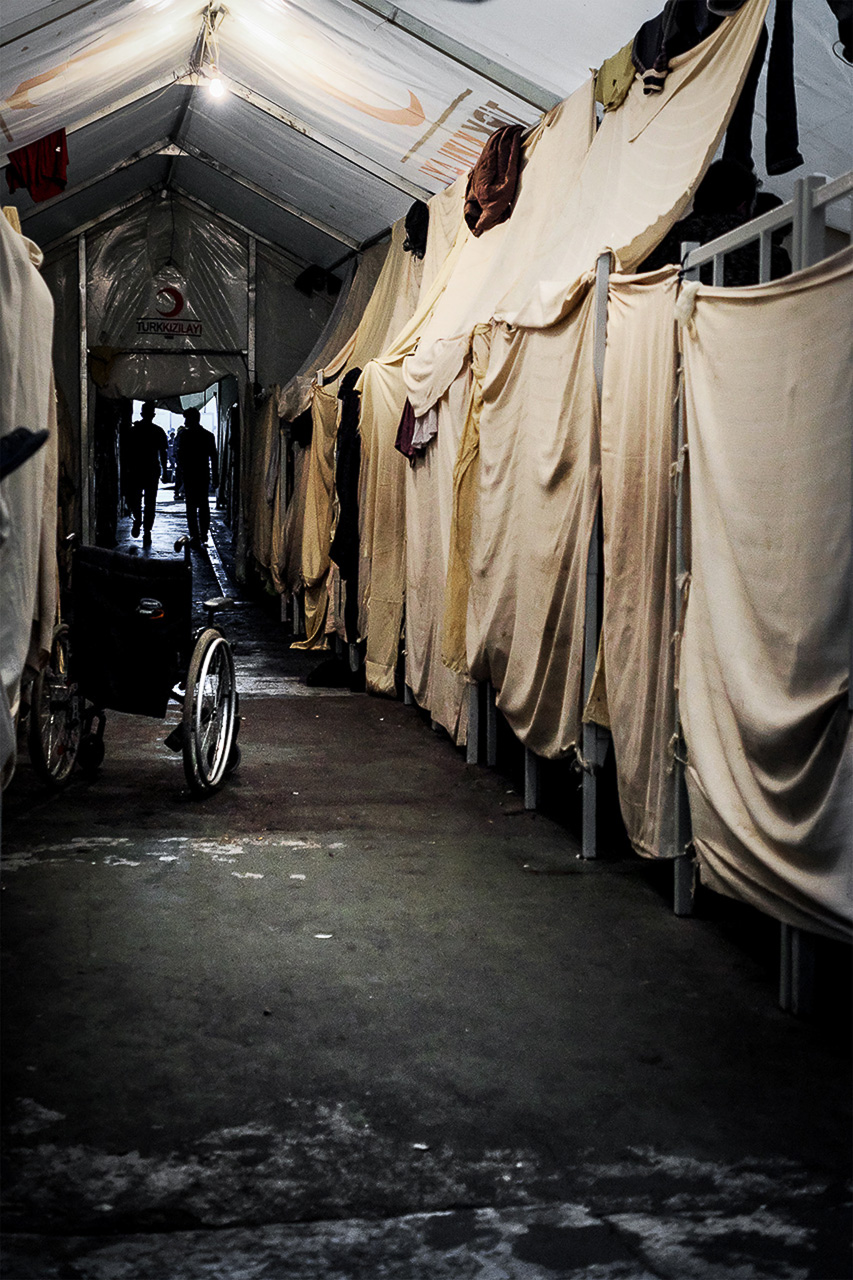
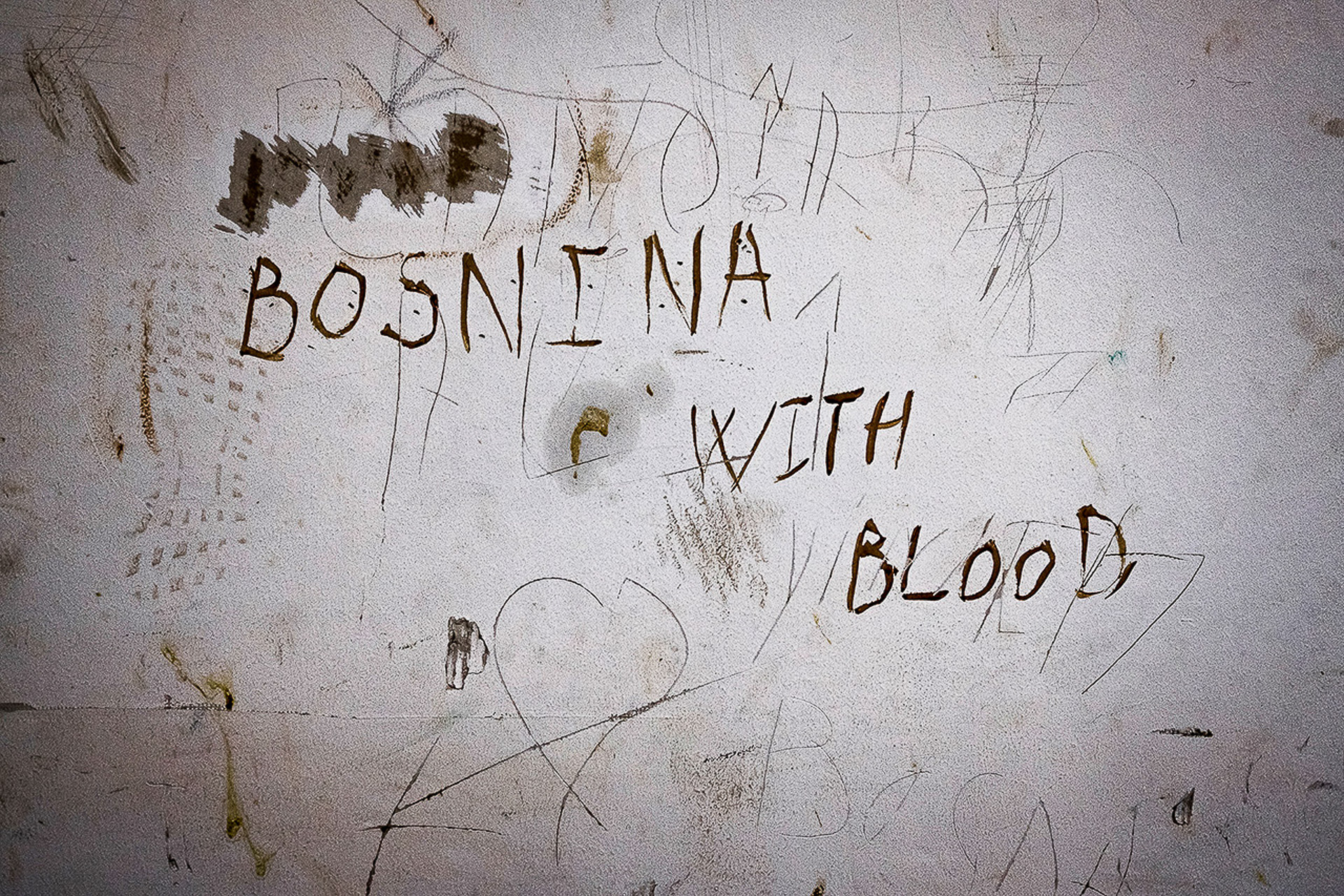
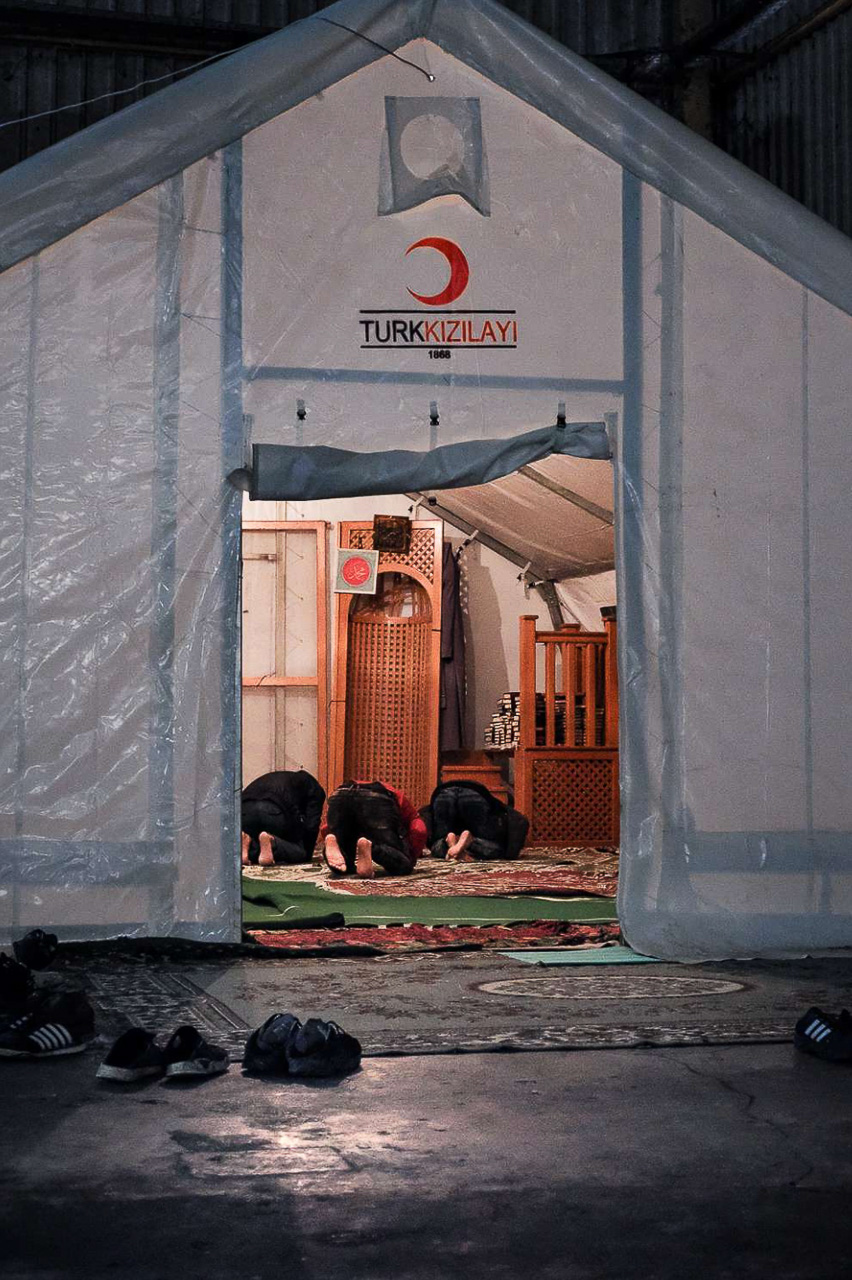
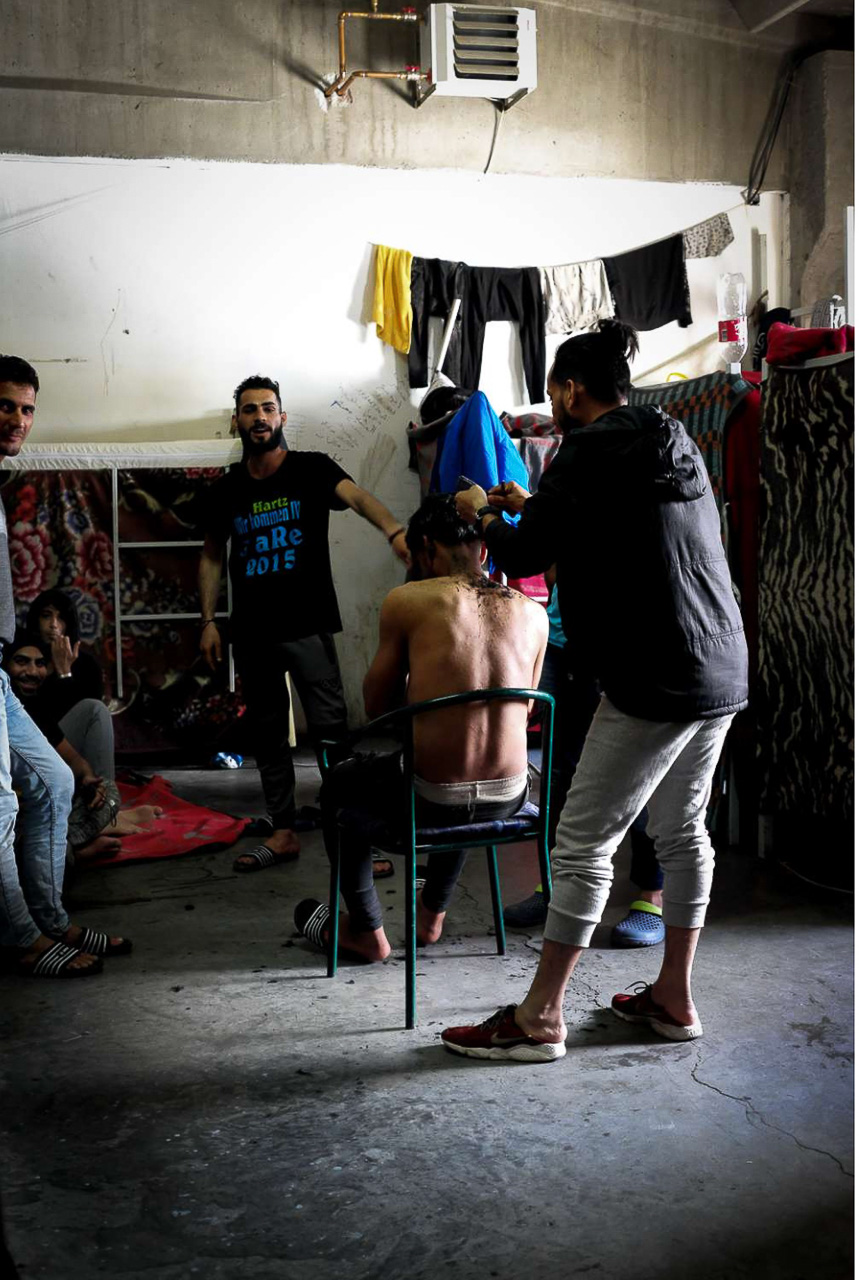
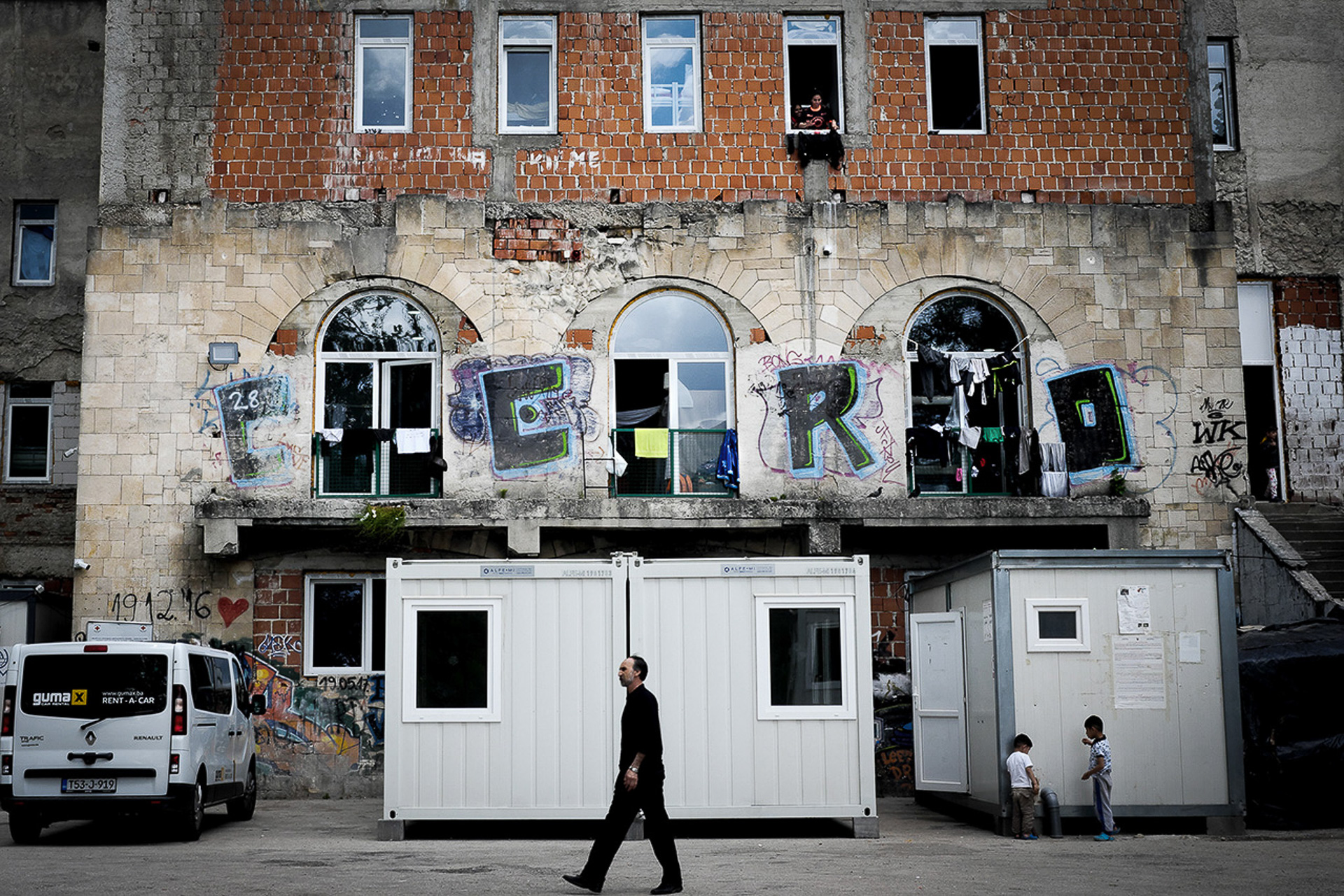
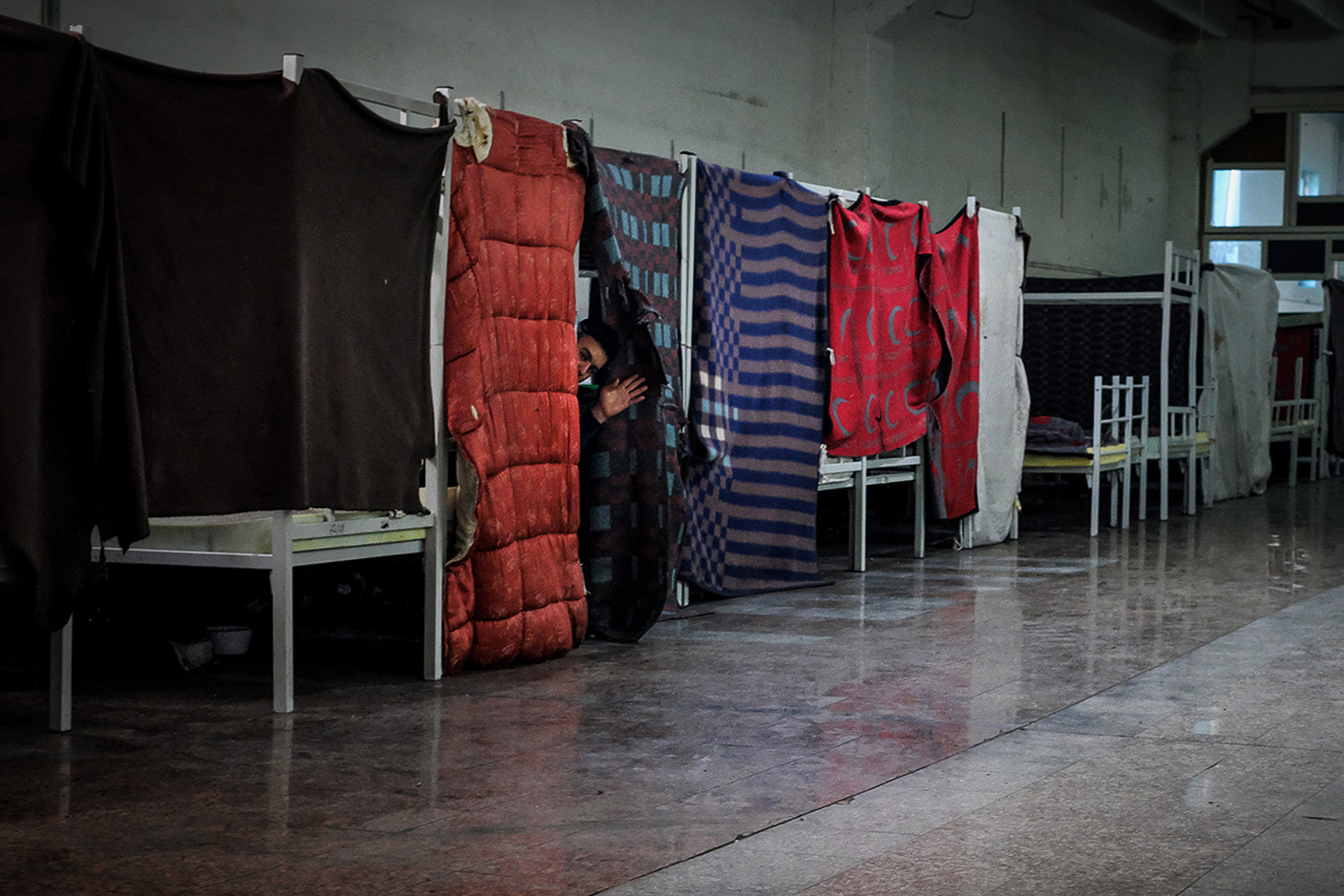
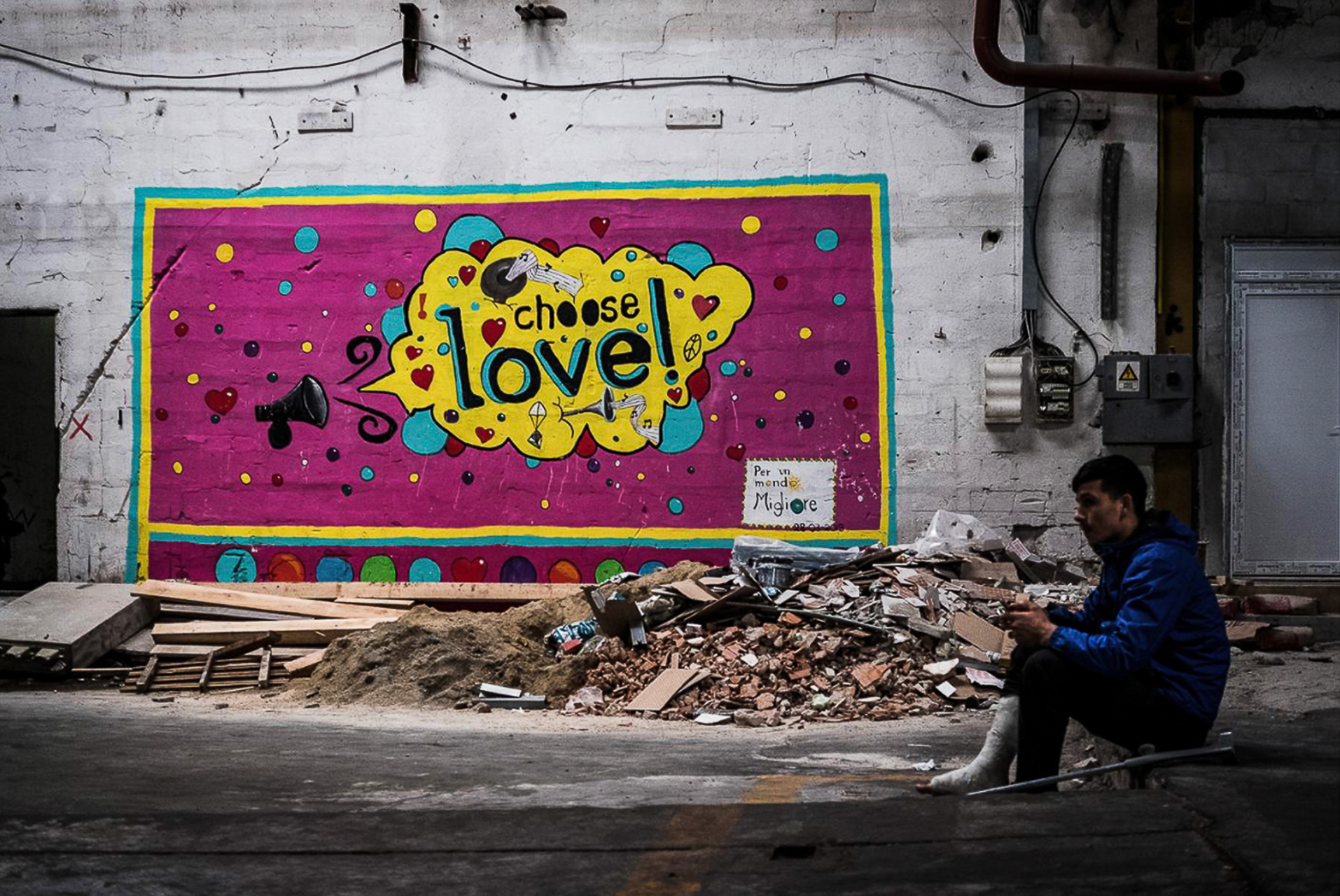
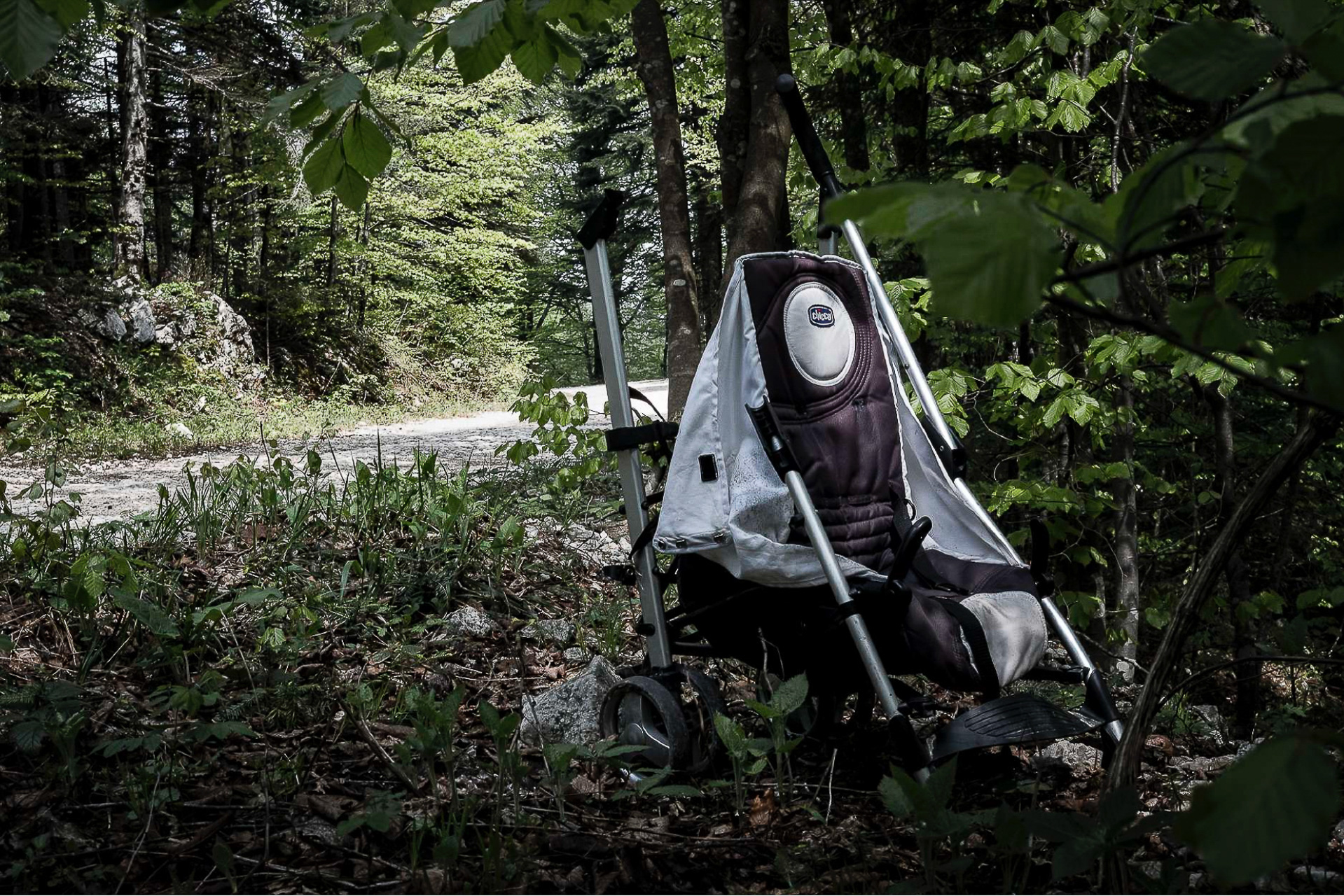
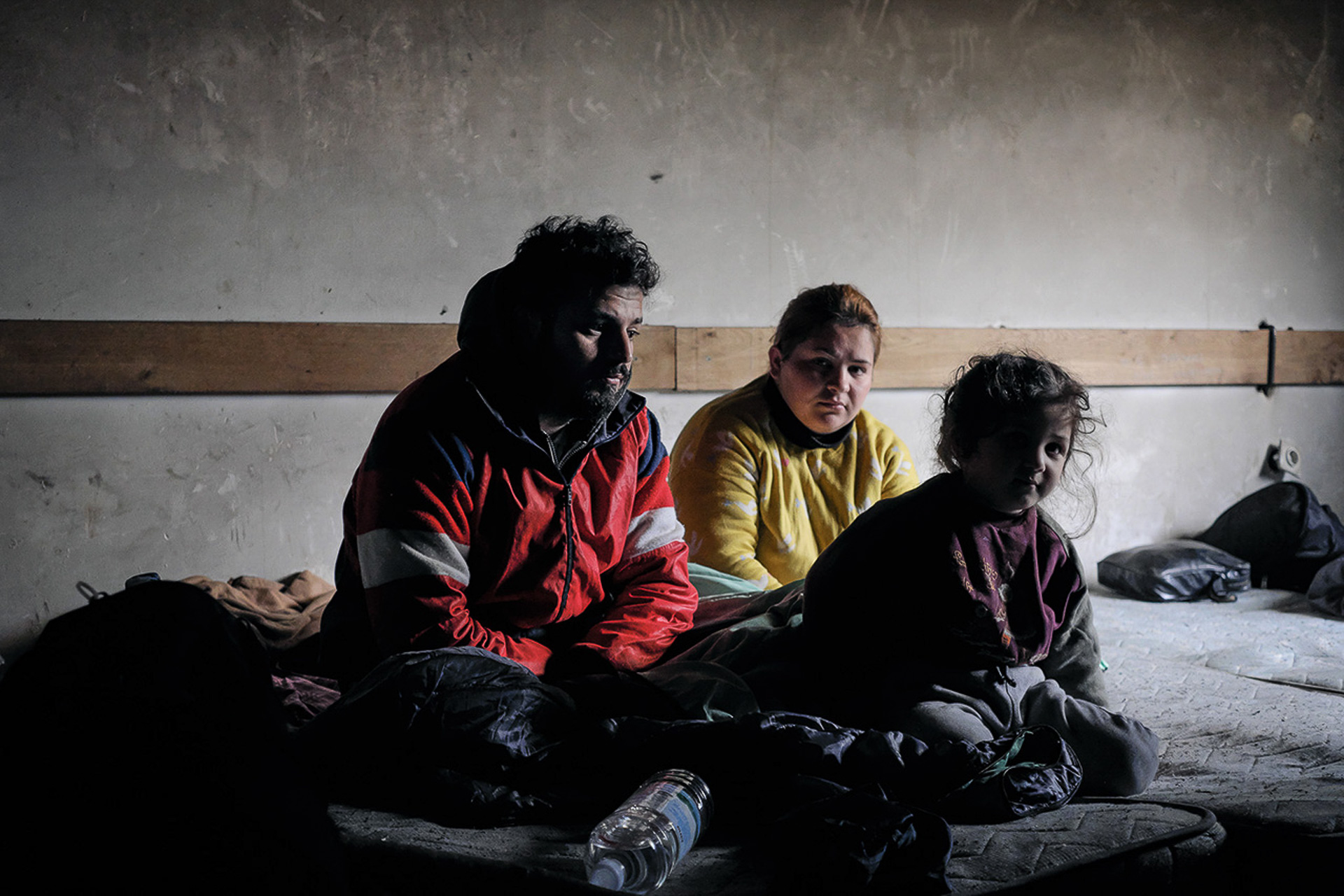
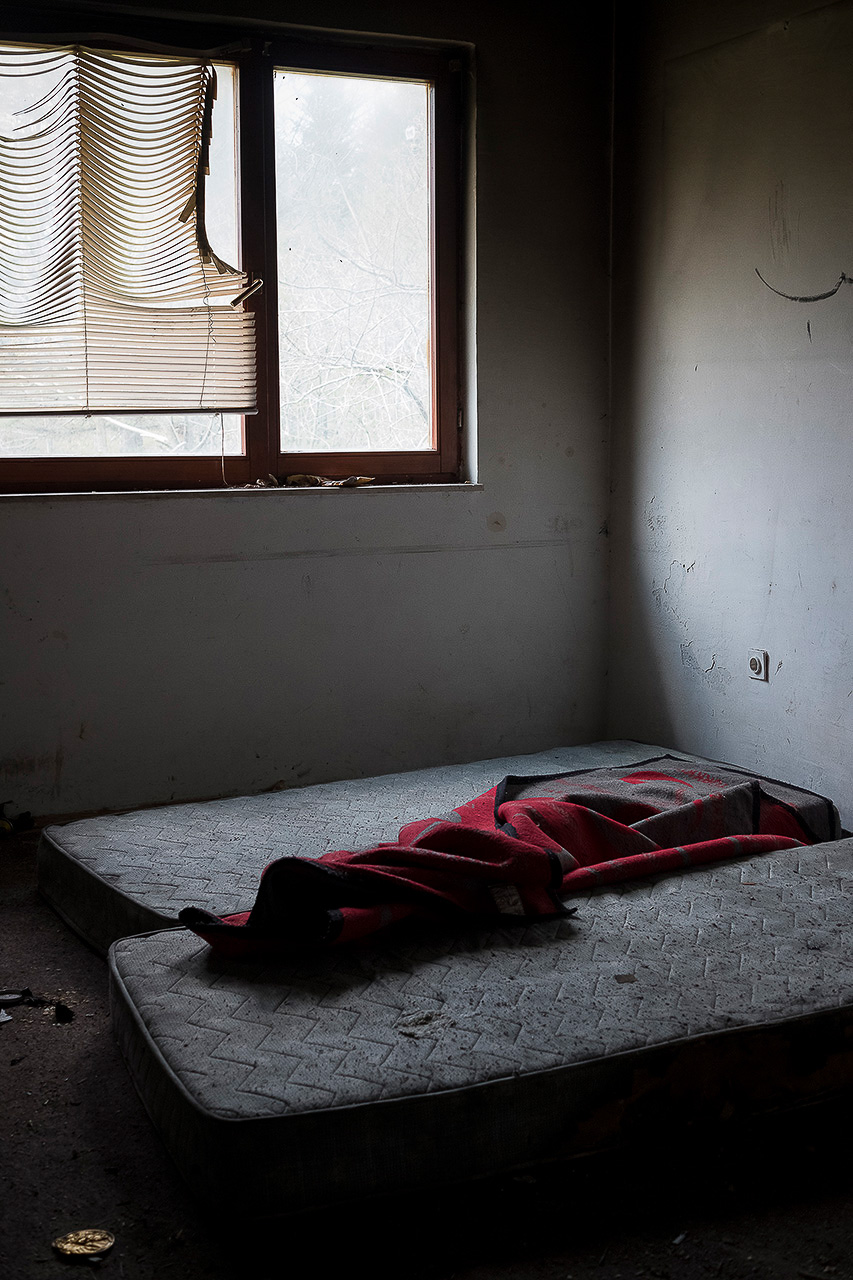
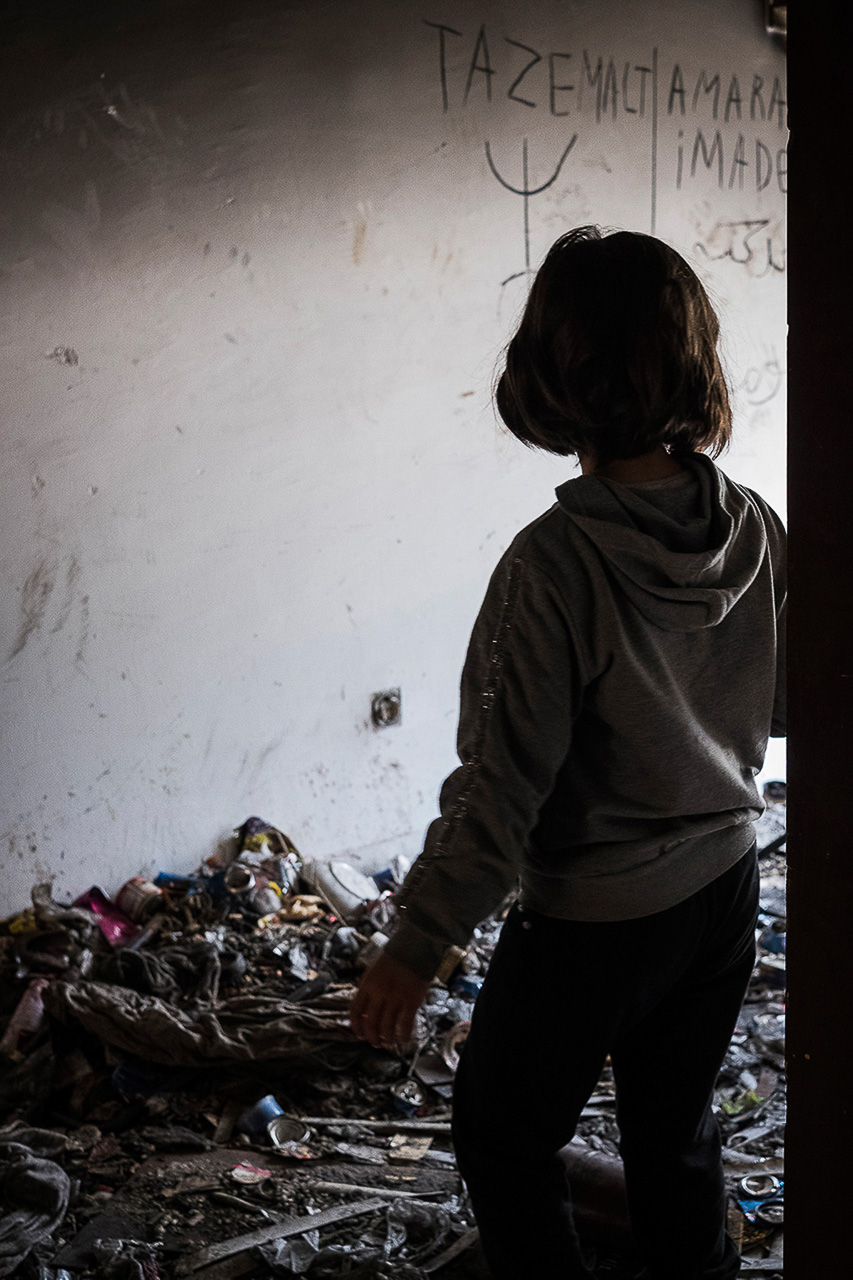
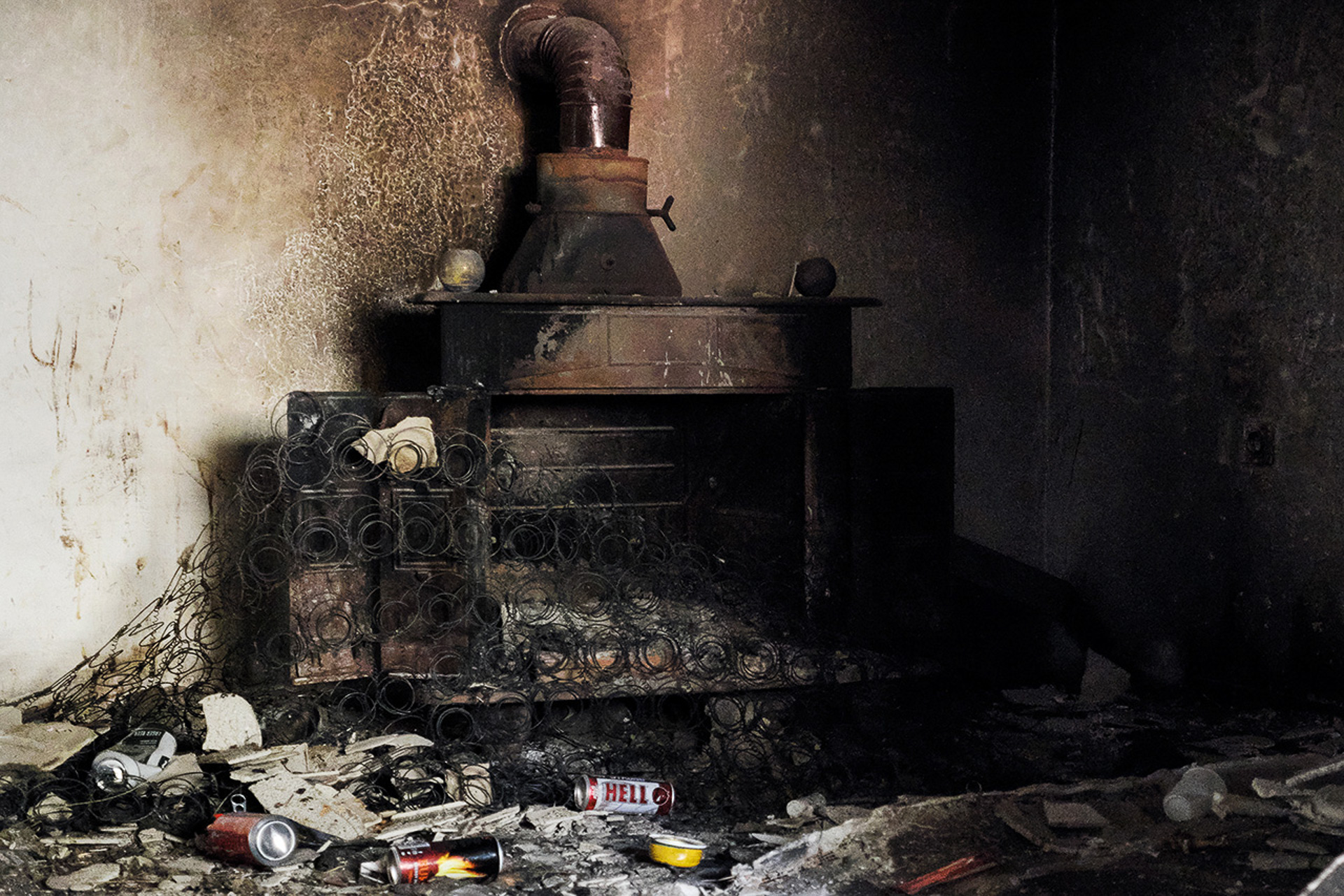
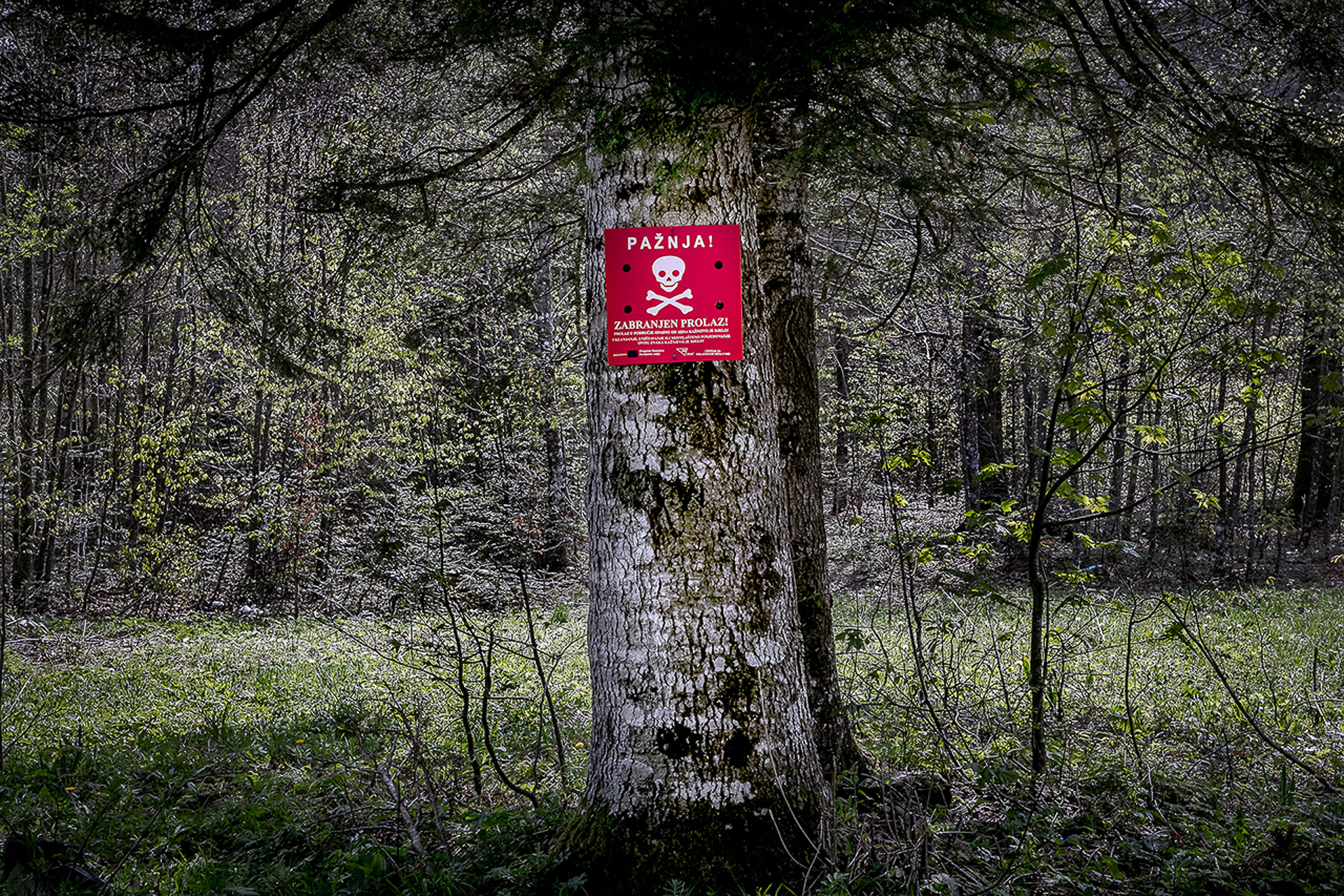
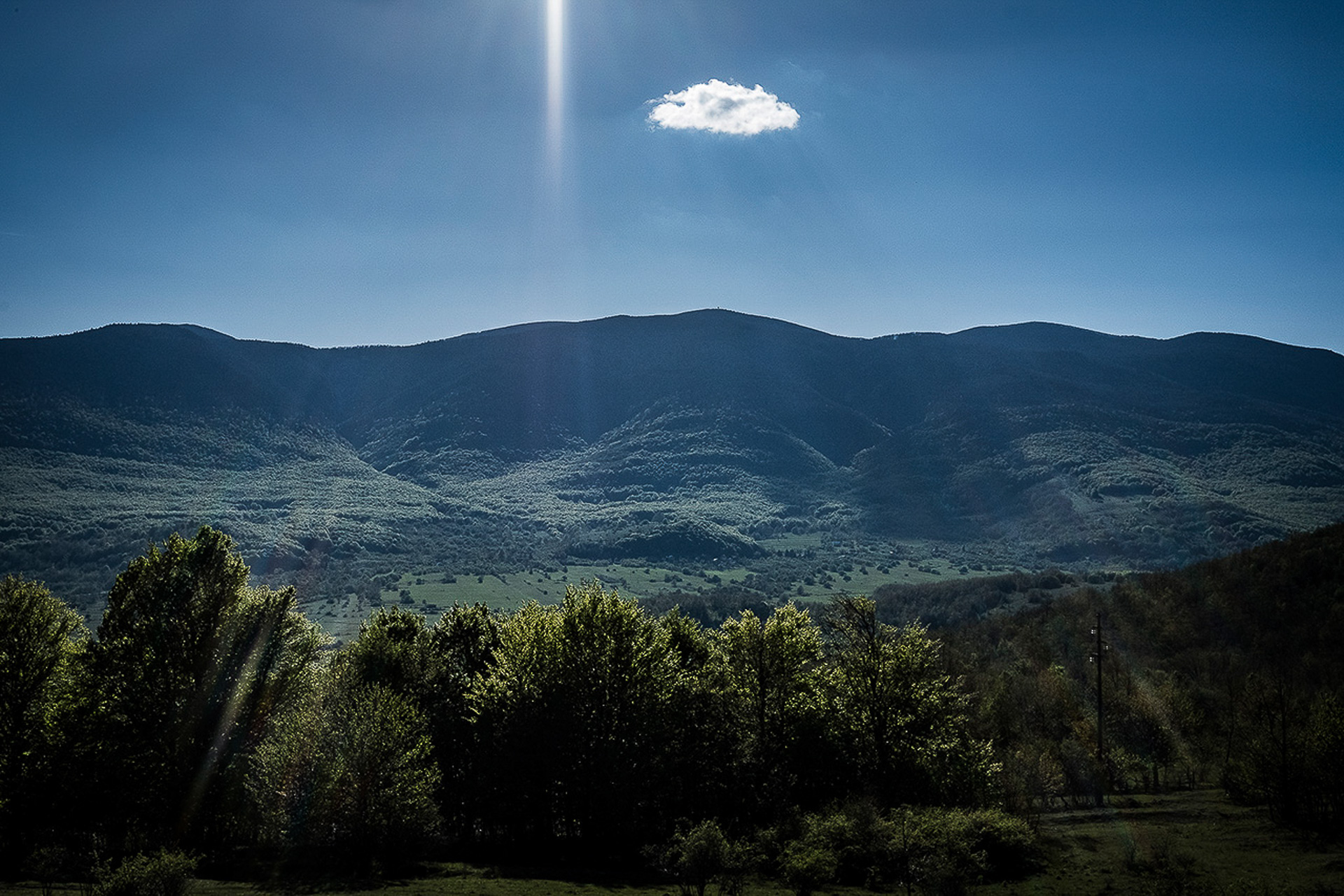
Bihać and Velika Kladuša, Bosnia and Herzegovina, Una-Sana Canton. A breathtaking, green and seemingly perfect landscape, with forests and the clear blue of untouched skies and rivers. Yet a closer look reveals the memory of a recent war, a past marked by violence and daily silenced. Today, these two border towns lie at the centre of a new form of violence: that between the EU and migrants.
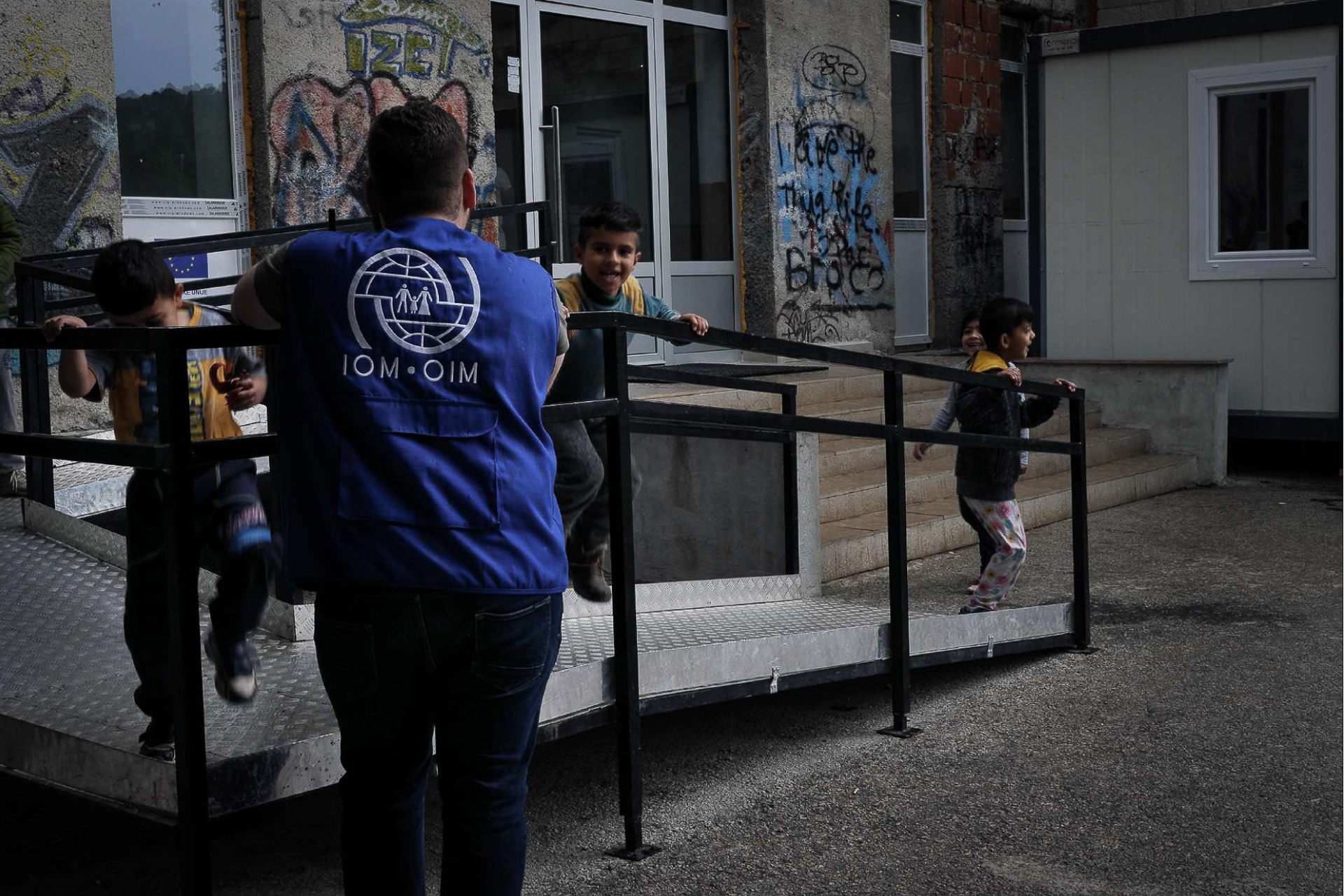
Since Orbán built his border walls in Hungary and the EU–Turkey deal was signed in 2016, Bosnia has become a mandatory stop for thousands of people fleeing on foot from the Middle East, South Asia and North Africa in an attempt to reach Europe and seek asylum. The Bosnian government and the International Organization for Migration (IOM) estimate that in 2019 over 29,000 migrants entered Bosnia irregularly, compared to only 1,500 in 2017.
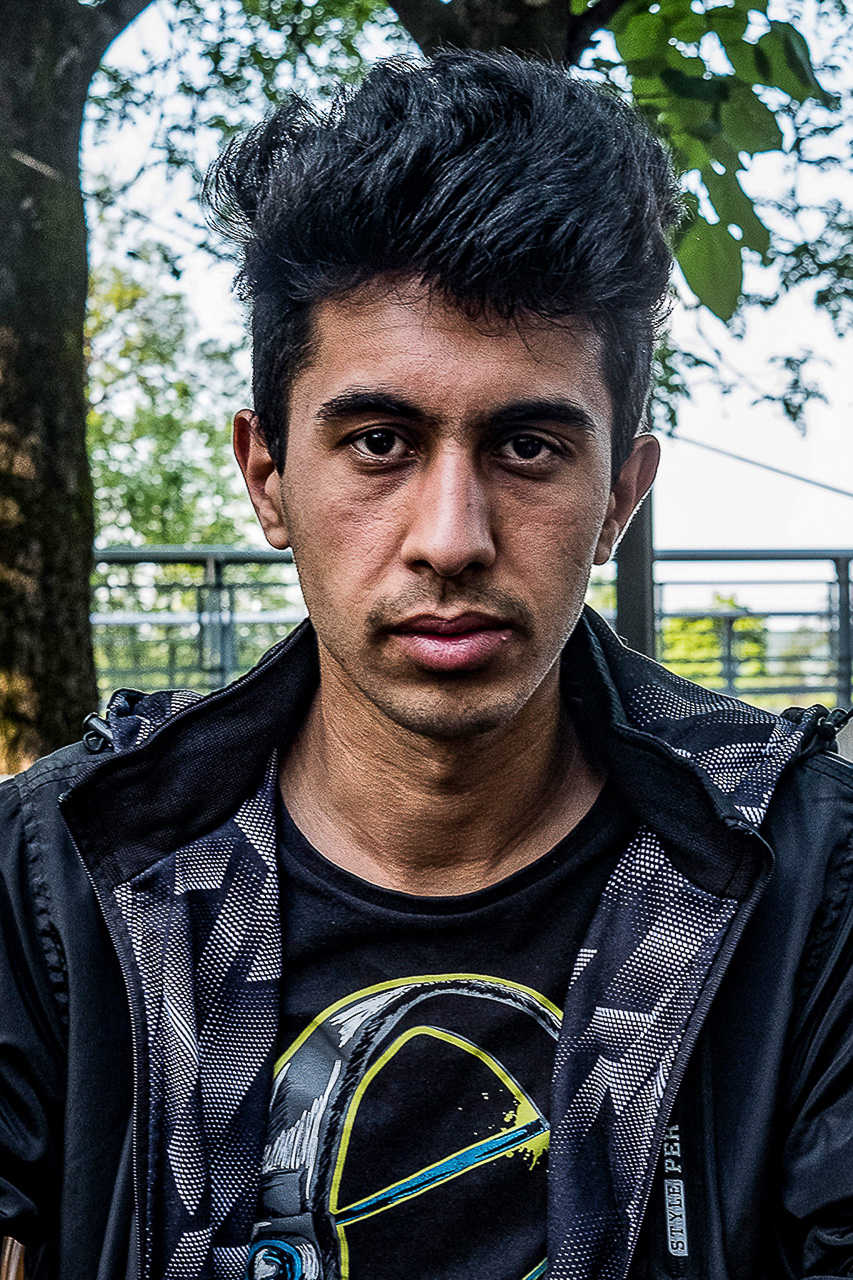
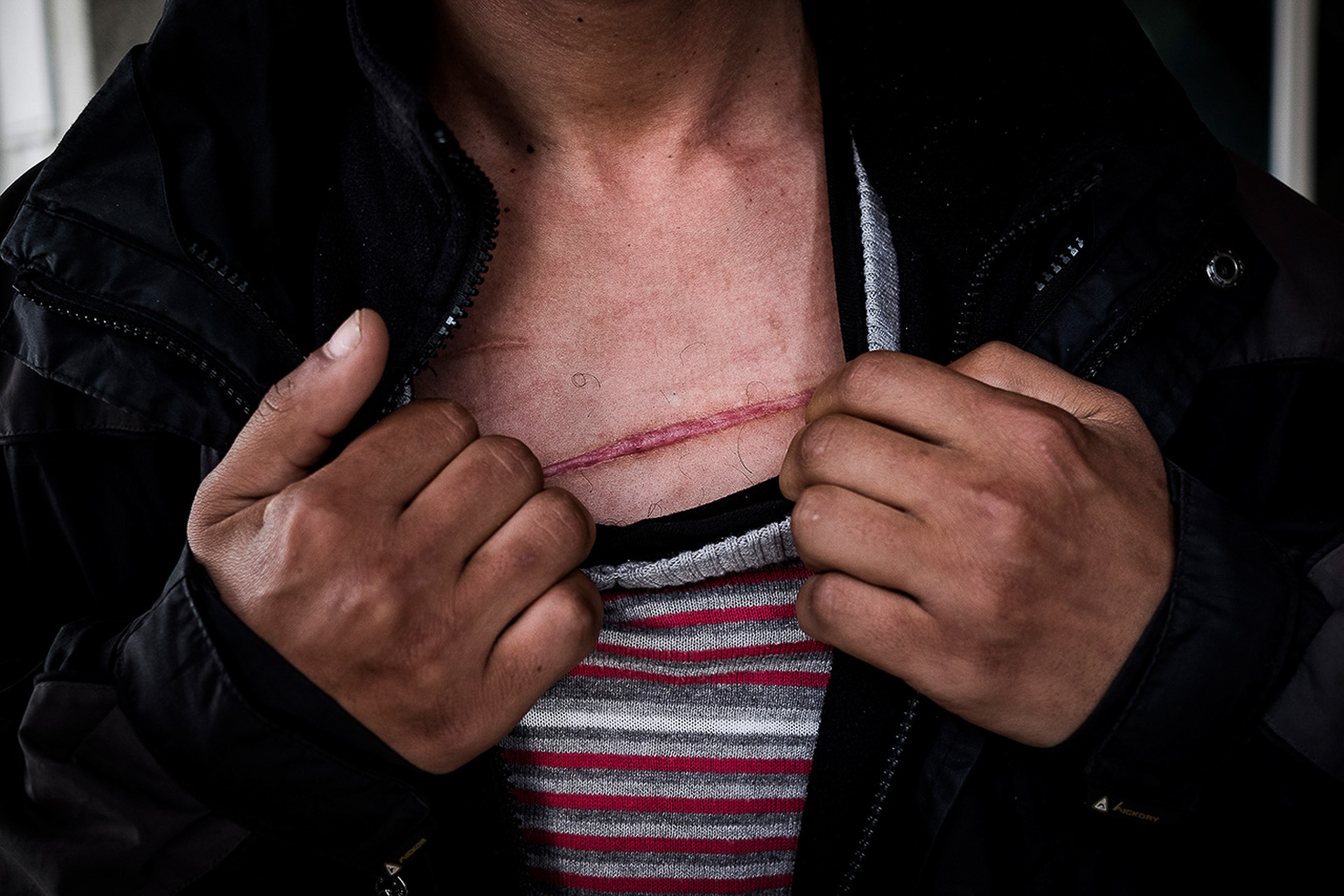
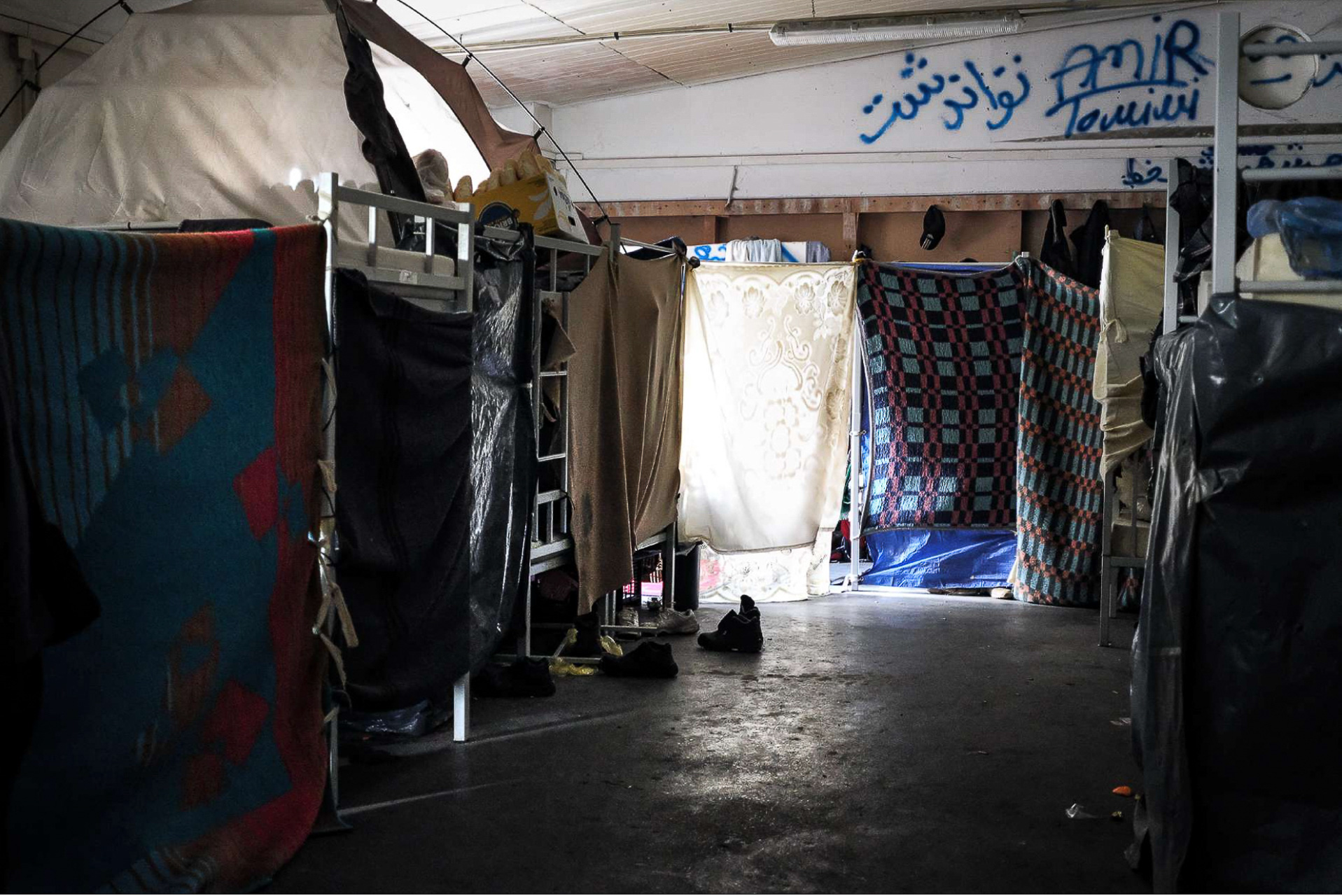
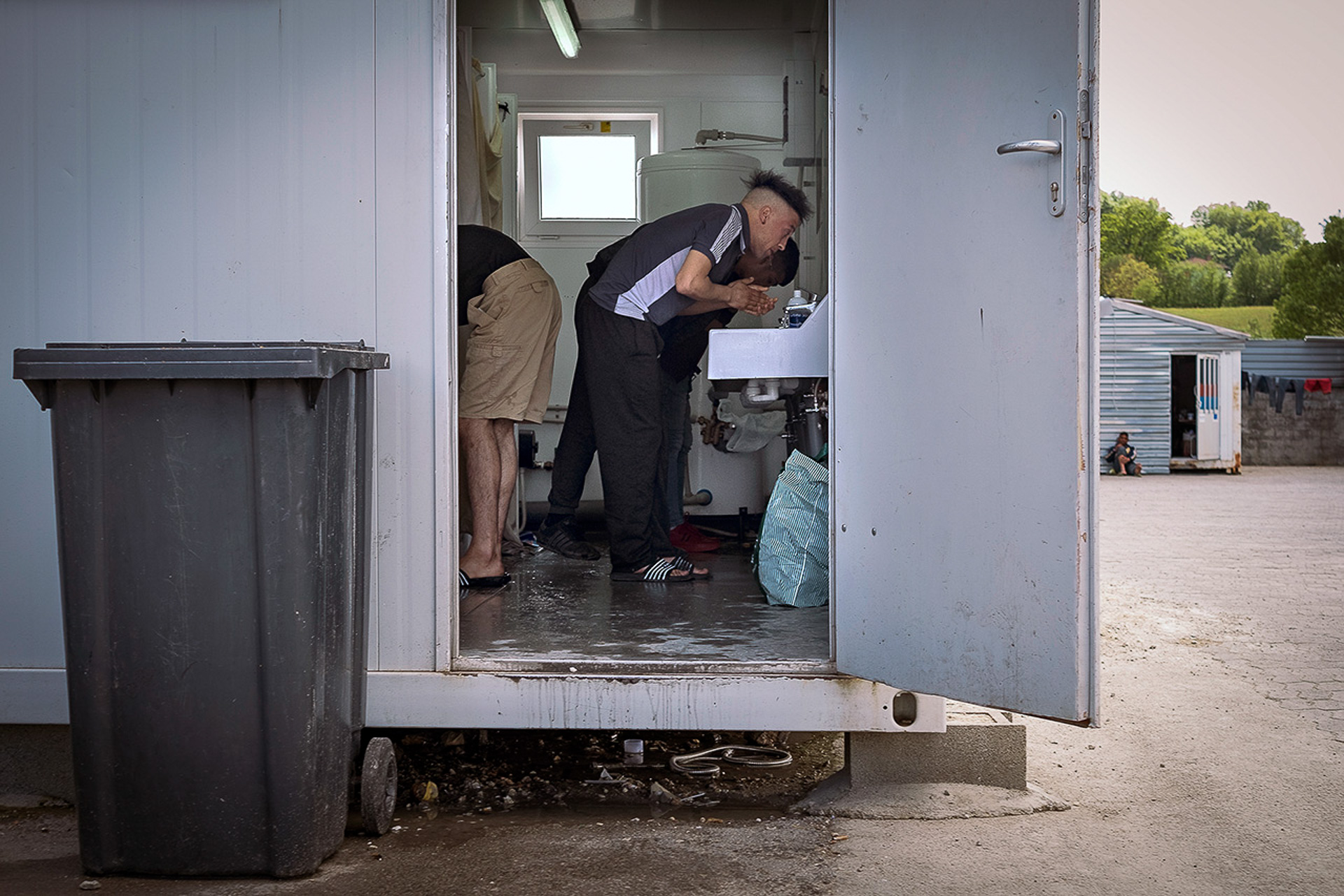
They call it “The Game.” An illegal, and at times lethal, crossing of the border: 60 km of Croatian forests between the Bosnian frontier and the Slovenian Schengen area, 240 km to reach the Italian border town of Trieste. At least ten days of walking through mined forests, inhabited by bears and wolves, and patrolled by Croatian, Slovenian and Italian police forces. In a divided country still marked by war, where many dream of the same Europe sought by migrants, social tensions have risen rapidly, feeding hostility. In camps, on roads, in mountains: migrant bodies are out of place. They do not integrate into the landscape; they are not welcome. They occupy space and remain visible. Bodies that want to move but are forced into immobility. Wounded, exhausted bodies, deprived of light, slowly turning into shadows. They are Pakistanis, Iranians, Syrians, Afghans, Iraqis, North Africans. All report being pushed back, beaten and robbed by Croatian police; of violence, humiliation and corruption in IOM-run camps. They attempt “The Game” dozens of times, living in a desperate limbo that drives them toward breakdown. Out-of-place bodies, shadows, no longer fully recognised as persons: unable to go back, yet denied any legal means to move forward or possibility to remain.
This portfolio is one of the outcomes of the research project “Mobility of Memory, Memory of Mobility: Western Mediterranean Crossings in the 20th and 21st Centuries,” directed by Gabriele Proglio and funded by the Fundação para a Ciência e a Tecnologia (2017–2023), based at the Centre for Social Studies of the University of Coimbra. The project investigates human mobility and its memories in the Mediterranean across the 20th and 21st centuries, analysing multiple trajectories: North–South, colonial and postcolonial, Europe–Africa relations, and transnational and diasporic movements.